
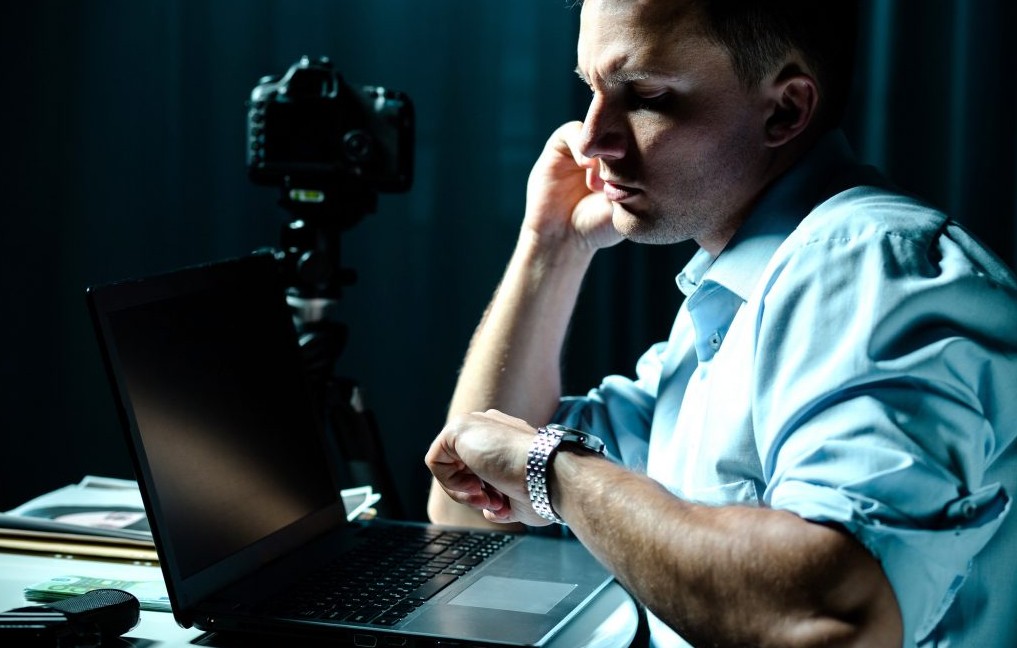
Daytime surveillance in a quiet, residential neighborhood is one of the most challenging tasks for any investigator. Unlike the anonymity provided by the cover of darkness, daylight exposes you to the scrutiny of neighbors, delivery drivers, and the general public. Blending into a suburban environment requires far more than just parking a car in an inconspicuous spot; it requires a deep understanding of behavioral psychology, situational awareness, and the ability to project an aura of complete normalcy. When you are sitting in a parked vehicle for hours, the greatest threat to your mission is not a lack of technological prowess, but rather appearing “out of place.” Mastering the art of camouflage—social camouflage, that is—is essential for any operative tasked with monitoring a subject in an area where every resident knows exactly who belongs and who does not.
Mastering the Environmental Context
To remain undetected, you must first become a mirror of your surroundings. A residential neighborhood in the mid-afternoon has a predictable rhythm: school buses arrive, dog walkers pace the sidewalks, and landscapers attend to manicured lawns. If you are positioned in a car that stands out—perhaps because it is too clean, the window tint is too dark, or it has been parked in the exact same spot for four hours without movement—you become a beacon of suspicion. An effective investigator knows to rotate their positioning, select a vehicle that mimics the demographic of the street, and engage in mundane activities that deflect attention. Whether it involves appearing to work on a laptop, reading a book, or adjusting equipment, your actions must be consistent with the neighborhood’s tempo. If the street is known for its quiet, afternoon dog-walking crowd, your presence must feel just as mundane and uninteresting as a resident picking up their mail.
The Theoretical Foundation of Professional Investigation
While the practical applications of blending in are learned through field experience, they are rooted in a sophisticated set of principles that professional investigators study during their foundational training. Surveillance is not just about watching; it is about gathering intelligence without alerting the subject or the community to your presence. The ability to manage your stress, keep your composure during long periods of waiting, and maintain total situational awareness while appearing completely distracted is a skill set that requires rigorous preparation. Many aspiring operatives find that enrolling in a structured private investigator course provides the necessary background in legal ethics, surveillance technology, and behavioral observation to execute these tasks effectively. Formal training ensures that you approach the field not just with enthusiasm, but with a refined set of tactical skills that ensure your methods are both successful and compliant with professional standards.
Tactical Patience and Emotional Regulation
The greatest test during a daytime surveillance mission is the psychological endurance required to maintain focus over long durations. It is easy to become restless or let your guard down when the environment appears calm. However, a lapse in concentration is often when a surveillance operative is spotted. You must cultivate a sense of tactical patience, recognizing that the subject’s behavior may only change for a brief window of time. Furthermore, you must manage your own emotional state; anxiety or boredom can cause subtle, detectable shifts in your posture or facial expressions. Professional training, such as that found in a high-quality private investigator course, emphasizes the importance of emotional intelligence and stress management. By developing these internal resources, an operative can sit for hours in a residential street, seemingly invisible and entirely unaffected by the tedium of the work, ready to react the second the situation changes.
Ethics, Legality, and Professional Responsibility
Finally, blending into a residential neighborhood carries with it an immense ethical and legal burden. As you observe, you are navigating the private lives of individuals who have a reasonable expectation of privacy. Operatives must be hyper-aware of the legal boundaries surrounding their presence and the methods they employ to gather information. Using surveillance technology inappropriately or encroaching upon private property to improve your vantage point can invalidate your evidence and put your entire career at risk.