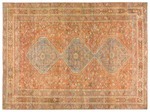
Few objects in human history carry as much cultural, artistic, and historical weight as the Persian rug. These extraordinary textiles have been woven for over two and a half millennia, surviving empires, dynasties, and centuries of change to remain among the most coveted handmade objects in the world.
The Pazyryk Rug: The World’s Oldest Surviving Rug
The oldest known knotted rug — the Pazyryk carpet — was discovered in a Siberian burial mound and dates back to around 500 BCE. While its exact origin is debated, many scholars believe it shows clear Persian influences. This alone tells us that the art of rug weaving in Persia was already highly developed over 2,500 years ago.
The Safavid Golden Age
The 16th and 17th centuries, under the Safavid dynasty, are widely considered the golden age of Persian rug weaving. Shah Abbas I established royal workshops in Isfahan, Kashan, and Tabriz, where master weavers created rugs of extraordinary refinement. Many of the most iconic Persian rug designs we recognize today — medallion patterns, hunting scenes, garden carpets — were developed during this era.
Rugs as Diplomatic Gifts
Persian rugs were prized as diplomatic gifts between rulers and emperors for centuries. They were symbols of wealth, power, and cultural sophistication. European royalty eagerly sought them, and they began appearing in Western paintings as early as the 15th century.
The 19th Century Export Boom
The industrial revolution and the opening of global trade routes led to a surge in demand for Persian rugs in Europe and America. This boom led to the professionalization of the rug trade and the establishment of major export centers. Some critics argue this period also introduced commercial shortcuts, though master weavers maintained their high standards.
Persian Rugs in the Modern Era
Despite political upheavals and international sanctions affecting Iran’s export market, Persian rugs remain among the world’s most desirable luxury goods. Contemporary designers are incorporating them into modern interiors in bold, unexpected ways — pairing antique rugs with minimalist furniture and clean lines.
Why the History Matters
Owning a Persian rug means owning a piece of living history. Every rug carries within it the traditions of a specific region, tribe, or era. That heritage is part of what makes them so valuable — and so endlessly fascinating.
Discover historically inspired Persian rugs that bring this rich legacy into your modern home.