Transforming Learning Through Engagement
Education has evolved significantly over the years, moving beyond traditional textbooks and classroom lectures. Today, educators and parents recognize the importance of creating engaging learning experiences that encourage curiosity, creativity, and active participation. One of the most effective tools supporting this shift is Interactive Educational Toys. These toys combine learning and play, helping children develop important skills while keeping them motivated and interested.
As modern education focuses on developing critical thinking, communication, and problem-solving abilities, interactive educational toys have become valuable resources for both schools and homes. They provide children with opportunities to explore concepts through hands-on experiences, making learning more enjoyable and meaningful.
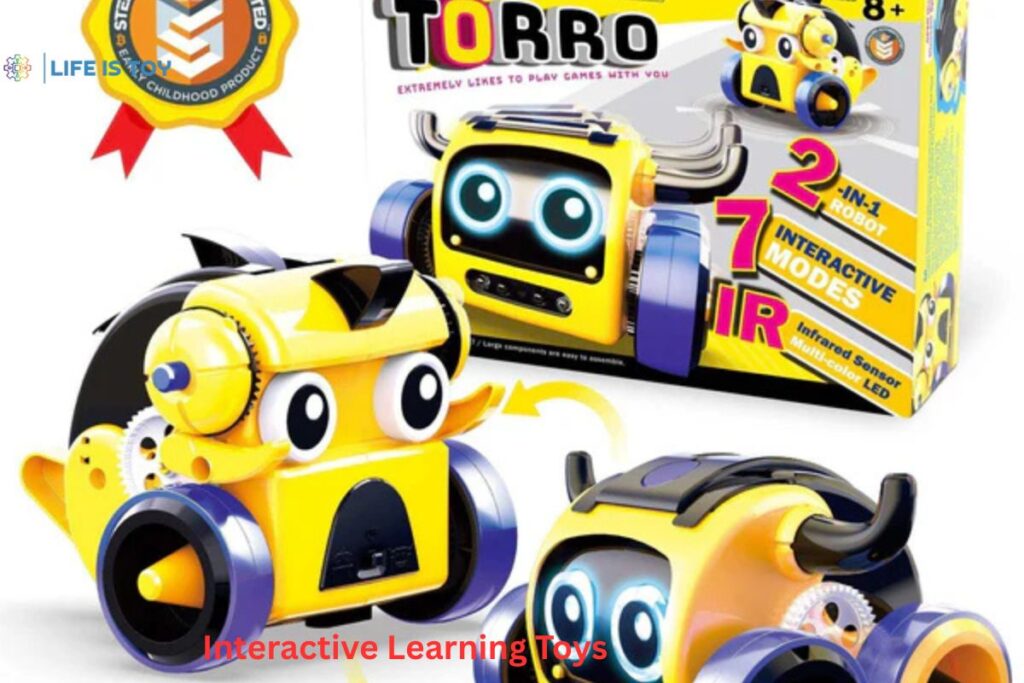
Encouraging Active Participation
Traditional learning methods often rely on passive activities such as reading or listening. While these approaches remain important, children tend to learn more effectively when they actively participate in the learning process. Interactive Educational Toys encourage children to engage directly with tasks, experiments, and challenges.
By manipulating objects, solving puzzles, and completing activities, children become active learners rather than passive observers. This involvement increases understanding and helps children retain information more effectively.
Supporting Early Childhood Development
The early years of a child’s life are critical for cognitive, social, and emotional development. Interactive Educational Toys provide age-appropriate experiences that help young learners build foundational skills.
These toys often introduce concepts such as numbers, letters, shapes, colors, and patterns through engaging activities. By interacting with educational toys, children strengthen memory, attention, and reasoning skills while developing a positive attitude toward learning.
Promoting Problem-Solving Skills
Problem-solving is one of the most important abilities children need in modern education and future careers. Interactive Educational Toys frequently present challenges that require children to think critically and find solutions.
Whether assembling components, completing puzzles, or following step-by-step instructions, children learn how to analyze situations and make decisions. These experiences teach persistence and encourage children to approach challenges with confidence and creativity.
Enhancing Creativity and Imagination
Creativity plays a major role in innovation and lifelong learning. Interactive Educational Toys provide opportunities for children to imagine, experiment, and create. Building sets, design activities, and construction projects allow young learners to explore different ideas and develop original solutions.
This creative freedom encourages self-expression while helping children understand that there can be multiple ways to approach a problem. As a result, they become more flexible thinkers and confident learners.
Strengthening STEM Learning
Modern education places significant emphasis on STEM subjects—science, technology, engineering, and mathematics. Interactive Educational Toys help make these subjects more accessible and enjoyable for children.
Many educational toys introduce STEM concepts through hands-on activities that encourage experimentation and discovery. Children can explore engineering principles, basic coding concepts, scientific investigations, and mathematical reasoning in a fun and engaging environment.
By making STEM learning interactive, these toys help reduce anxiety around complex subjects and inspire long-term interest in scientific exploration.
Improving Fine Motor Skills
Interactive Educational Toys often involve physical manipulation, such as assembling pieces, connecting components, or organizing objects. These activities help strengthen fine motor skills and hand-eye coordination.
Developing these physical abilities is important for tasks such as writing, drawing, and using tools effectively. Through repeated practice, children gain greater control and precision while engaging in enjoyable learning experiences.
Encouraging Collaboration and Communication
Many modern educational approaches emphasize teamwork and communication. Interactive Educational Toys often support group activities where children work together to solve problems or complete projects.
Collaborative play teaches children how to share ideas, listen to others, and contribute to group efforts. These experiences help build social skills that are valuable both inside and outside the classroom.
Learning to communicate effectively also supports academic success and prepares children for future professional environments where teamwork is essential.
Increasing Motivation and Interest
One of the greatest challenges in education is maintaining student motivation. Interactive Educational Toys make learning enjoyable by combining educational content with elements of play.
Children are naturally curious and enjoy exploring new ideas through interactive experiences. Educational toys capture their attention and encourage continued engagement with learning activities. This increased motivation often leads to improved participation and stronger learning outcomes.
Supporting Personalized Learning
Every child learns differently. Some children prefer visual experiences, while others learn best through movement, experimentation, or hands-on activities. Interactive Educational Toys accommodate various learning styles by offering multiple ways to engage with information.
This flexibility allows children to learn at their own pace and according to their individual preferences. Personalized learning experiences help build confidence and ensure that children remain engaged throughout the educational process.
Preparing Children for the Future
The world continues to change rapidly due to technological advancements and evolving workplace demands. Future success will require adaptability, creativity, critical thinking, and problem-solving abilities. Interactive Educational Toys help children develop these essential skills from an early age.
By encouraging exploration, experimentation, and independent thinking, educational toys prepare children to navigate future challenges with confidence. They help create a strong foundation for lifelong learning and personal growth.
Conclusion
The role of Interactive Educational Toys in modern education continues to grow as educators and parents seek effective ways to support learning and development. These toys encourage active participation, strengthen problem-solving abilities, enhance creativity, and support STEM education while making learning enjoyable.
By combining education with play, Interactive Educational Toys create meaningful experiences that help children develop important academic, social, and cognitive skills. As modern education continues to evolve, these valuable learning tools will remain an important part of helping children succeed both in school and in the future.