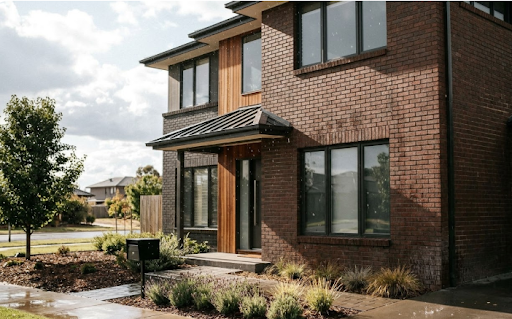
For years, people thought painting brick was the quickest way to change the look of a building. It seemed simple enough. Cover the old color and move on. But many homeowners and property managers eventually discovered the downside. Paint creates a surface layer that can trap moisture and peel over time. That’s one reason staining exterior brick has gained so much attention lately. Brick stain works differently. Deep inside the wall it goes, letting the brick show through just like it should. Real is how it comes across – no pretending. Truth be told, folks overlook this when spending on how a building looks.
What Staining Brick Really Involves
Most folks come across the term Staining Brick and immediately think it means painting. Wrong guess. They’re worlds apart. This kind of stain slips deep into the material, merging with the brickwork from within. The look stays alive – grain, roughness, tiny flaws all remain visible. That charm? It sticks around. Each wall tells a different story. A few carry shifting hues. Some wear time like badges. Paint might hide flaws, yet stain brings out texture without masking it. Because of this, experts in building design and repair choose to tint outdoor brick rather than bury it under heavy layers.
The Biggest Benefits Of Staining Exterior Brick
Right off the bat, most folks see how much stained brick blends in with its surroundings. Instead of sitting like a thick coat of paint that dulls the character of walls, it keeps texture alive. What also stands out is how well it holds up over time. Good stains sink into the surface instead of peeling away after years of weather. Fixing things up usually takes less effort here. There is no scraping off old coats or keeping track of when to paint again. A coat of stain on outside brick boosts how the place looks from the street, while still letting the building keep its original feel. With houses built long ago, this really makes a difference.

Staining Brick When It Fits Best
Some jobs don’t need full outside changes. The brick might still be strong, just the shade looks old. A homeowner could want a fresher look for their red bricks or match new walls to old ones. This is when coloring the surface makes sense. Renovations often reveal patchwork fixes that clash badly. Then staining helps hide those differences. A coat that sticks just right pulls the whole wall together without losing its real look. Spotting patch marks is something nobody enjoys when guests walk in.
Keep brick look with color choices
It’s often thought brick stains come in just a few shades. Not accurate these days. Today’s methods produce many different looks. While some prefer slight changes, others go for bold results. Starting with warm earth shades, gray tones that feel current, rich brown depths, or gentle neutral hues – each option keeps the brick’s surface intact. Here lies the contrast. A fresh appearance arrives, yet the charm of brick stays untouched.
The Moisture Edge Usually Missed
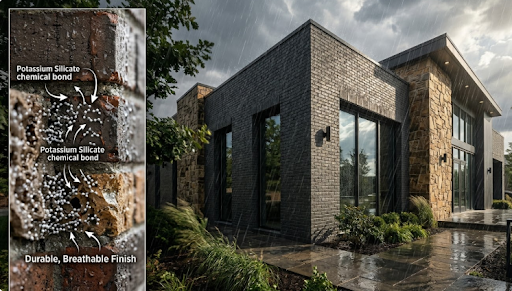
Moisture moves through brick without anyone noticing – until trouble appears. This material breathes on its own, soaking up dampness then letting it go again. Old-style painting messes with that rhythm because the coating blocks escape routes. How walls handle water shifts when surfaces are sealed tight. Most times, wetness stuck inside walls leads to paint lifting or bricks breaking down slowly. Using natural mineral stains on brick keeps airflow through the surface – important for lasting performance. Seems complex at first glance, yet it’s straightforward once understood. Allow materials to act as they naturally would. Longevity improves dramatically whenever interference stays minimal.
Surface Prep Still Important
Most people think if a stain goes into brick, prep work is pointless. Wrong. Grime on stone, moss, powdery deposits, or gunk on top might block how deep the color sinks in. Get rid of those by washing walls well before coloring them. Let everything dry fully too. Fix cracks or damage earlier, not during. Doing these steps feels dull. It never shows up in bragging stories. Still, what happens early decides – finish holds strong for ages or looks sad within months.
Professional Application Leads to Better Outcomes
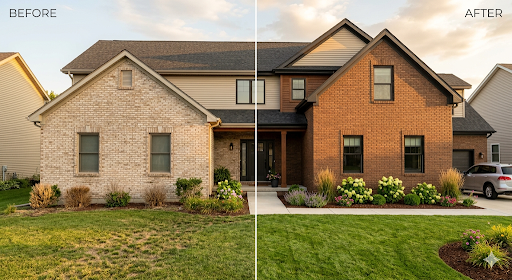
Some things work fine when done yourself. That part is clear. Yet turning brick a new color often trips people up, even with tutorials to follow. Getting the shade right means handling mix strength, surface soak levels, plus brush rhythm – each affects outcome. The material itself behaves unevenly. One patch might drink in more tint than another nearby. Those who’ve worked such jobs before spot what needs changing midstep. Later on, less trouble shows up when someone knows more while working. For bigger jobs with brick coloring, pros often get picked because they’ve learned the process well.
Commercial buildings benefit too
Staining outside brick isn’t just for houses – businesses gain too. Places like shops, offices, big living buildings, schools, even old landmarks choose stain to bring worn walls back to life. When places compete, how they look plays a role. Freshness shows up fast when someone sees the front of a place. What sticks around longer is the idea that fixing what’s there beats tearing it down. Saving the original work means less waste, more history standing tall. Still, brick staining gets it right. With better looks comes less damage to the building’s original design.
Value That Lasts Past How It Looks
Some choose brick staining simply to change its hue. True. Yet there’s more beneath the surface. With stain, the facade tends to keep its charm years longer while asking less upkeep than paint. Instead of sealing pores, it lets walls breathe, holding onto texture that defines aged buildings. Over time, what begins as a shade shift quietly turns into savings – less peeling, fewer repeat jobs. Even decades later, the difference shows without shouting.
Brick Staining Errors People Often Make
Most folks grab what works on concrete, not realizing real masonry needs its own kind of stain. Picking a shade too fast leads straight to surprises later. Paper swatches lie when brick gets involved. Try it out somewhere hidden before going all in – it pays off more often than not. Skipping the scrub leaves gunk behind that messes things up. Bad skies while working? That invites trouble nobody wants. Most quick fixes just waste minutes later on. A steady hand matters most when coloring outside walls made of brick. Plain fact, still key.
Selecting a Partner for Exterior Brick Staining
What makes a stain work well? It is not just the product itself. How it gets put on plays a big role. So does who is doing the job. Skill shows in every step. Some bricks soak up color fast. Others resist change. A company focused only on regular painting might miss these details. Those who study masonry see deeper. They know old brick versus new. Porous or tight surfaces shift results. Matching method to material takes awareness. Not all firms have that. Look where expertise lives. Watch how they talk about past jobs. Listen for specifics, not slogans. That tells more than promises ever could. Ask questions. Request examples. Take the time to evaluate options. A well-executed Staining Brick project can completely transform a property while preserving its original charm. If you’re ready to explore professional masonry staining solutions, visit Mineral Stains to start your project and discover how expert staining can bring new life to brick surfaces without sacrificing their natural beauty.
FAQs About Staining Exterior Brick
Is staining exterior brick better than painting?
In many situations, yes. Staining exterior brick preserves the natural texture of the masonry and typically allows better breathability than traditional paint systems.
How long does Staining Brick last?
High-quality masonry stains can last for many years when properly applied and maintained. Longevity depends on product quality, surface condition, and environmental exposure.
Can stained brick peel like paint?
Generally no. Because stain penetrates the brick rather than forming a thick surface film, peeling is far less common than with conventional paint.
Does staining exterior brick work on old homes?
Absolutely. Many restoration and renovation projects use brick stain to refresh aging masonry while preserving the home’s original character.
Can brick color be changed dramatically with staining?
Yes. Modern masonry staining systems offer a wide range of color options, from subtle adjustments to significant color transformations while maintaining the brick’s texture.