
Urinary incontinence is a common yet often misunderstood medical condition that affects people of all ages. Despite its prevalence, many individuals continue to suffer in silence because they feel embarrassed to discuss their symptoms or believe that bladder leakage is a natural consequence of aging. The reality is very different. Urinary incontinence is a treatable condition, and with the right medical guidance, most people can significantly improve their symptoms and regain control over their lives.
If you are searching for urinary incontinence treatment in Mulund, you will find access to experienced urologists, advanced diagnostic facilities, and a wide range of treatment options tailored to individual needs. Whether you experience occasional urine leakage or severe symptoms that interfere with your daily routine, seeking professional help can be the first step toward recovery and renewed confidence.
What Is Urinary Incontinence?
Urinary incontinence refers to the involuntary loss of urine. It occurs when the muscles and nerves responsible for controlling the bladder do not function properly. The severity of the condition varies from person to person. Some individuals may leak a few drops of urine when they laugh or cough, while others may experience sudden, overwhelming urges to urinate and may not reach the toilet in time.
The condition can affect both men and women, although certain forms of urinary incontinence are more common in women due to pregnancy, childbirth, and hormonal changes. Men may develop urinary incontinence because of prostate enlargement, prostate surgery, or age-related bladder changes.
Although urinary incontinence can be physically inconvenient, its emotional impact can be equally challenging. Many people avoid social gatherings, long journeys, exercise classes, and even family events because they worry about accidental leakage. Fortunately, effective treatments are available, and no one should feel compelled to suffer in silence.
How Common Is Urinary Incontinence?
Urinary incontinence affects millions of people worldwide. Studies indicate that women are more likely to experience bladder leakage at some point in their lives, especially after childbirth and during menopause. However, men are not immune to this condition. Prostate-related issues can contribute significantly to urinary symptoms in aging men.
The incidence of urinary incontinence increases with age, but it should never be considered an inevitable part of growing older. Early diagnosis and treatment can prevent symptoms from worsening and improve overall quality of life.
Different Types of Urinary Incontinence
Understanding the type of urinary incontinence is crucial because treatment approaches vary depending on the underlying cause.
Stress Urinary Incontinence
Stress urinary incontinence occurs when physical movement or activity places pressure on the bladder. Common triggers include:
- Sneezing
- Coughing
- Laughing
- Running
- Jumping
- Lifting heavy objects
- Exercising
This type of incontinence often results from weakened pelvic floor muscles that support the bladder and urethra. Women who have experienced multiple pregnancies or vaginal deliveries are particularly susceptible.
Urge Urinary Incontinence
Also known as overactive bladder, urge incontinence is characterized by a sudden and intense need to urinate that is difficult to control. Individuals may experience leakage before reaching a restroom.
Symptoms often include:
- Frequent urination during the day
- Nighttime urination
- Strong urinary urgency
- Inability to postpone urination
Overflow Incontinence
Overflow incontinence occurs when the bladder fails to empty completely, causing continuous dribbling of urine.
People may notice:
- Frequent leakage
- Weak urine stream
- Difficulty starting urination
- Sensation of incomplete bladder emptying
This condition is more commonly seen in men with enlarged prostate glands.
Functional Incontinence
Functional incontinence develops when physical limitations or cognitive conditions prevent individuals from reaching the toilet in time, despite having normal bladder function.
Mixed Incontinence
Mixed urinary incontinence involves a combination of stress and urge symptoms. Many women experience this type of bladder dysfunction.
Causes and Risk Factors
Several factors contribute to urinary incontinence. Identifying these causes helps doctors determine the most effective treatment strategy.
Pregnancy and Childbirth
Pregnancy places significant pressure on the pelvic floor muscles. Vaginal delivery can further weaken these muscles and affect the nerves involved in bladder control.
Menopause
Reduced estrogen levels during menopause can alter the strength and elasticity of tissues supporting the urinary tract, increasing the likelihood of leakage.
Aging
As individuals age, bladder muscles may weaken and lose elasticity, reducing their ability to store urine efficiently.
Obesity
Excess body weight increases pressure on the bladder and pelvic floor muscles, making urinary leakage more likely.
Prostate Conditions
In men, prostate enlargement or prostate surgery can interfere with normal urinary function.
Neurological Disorders
Conditions such as Parkinson’s disease, multiple sclerosis, stroke, and spinal cord injuries can disrupt communication between the brain and bladder.
Chronic Constipation
Persistent constipation places pressure on pelvic structures and may contribute to bladder dysfunction.
Certain Medications
Some medications, including diuretics and sedatives, can increase urinary frequency or worsen existing symptoms.
Symptoms That Require Medical Attention
Many people ignore early signs of urinary incontinence. However, prompt evaluation can prevent complications and improve treatment outcomes.
Consult a specialist if you experience:
- Leakage while coughing or sneezing
- Frequent urges to urinate
- Difficulty delaying urination
- Nighttime urination that disrupts sleep
- Sudden episodes of urine loss
- Weak urinary stream
- Persistent dribbling
- Blood in the urine
- Recurrent urinary tract infections
Diagnostic Evaluation for Urinary Incontinence
A thorough assessment allows healthcare professionals to understand the nature of the problem and design a personalized treatment plan.
Medical History
The doctor may ask questions about:
- Frequency of leakage
- Fluid intake habits
- Existing medical conditions
- Previous surgeries
- Current medications
- Childbirth history
Physical Examination
A physical examination may evaluate pelvic support structures, abdominal health, and neurological function.
Urine Analysis
Urine tests help identify infections, blood in the urine, or other abnormalities.
Bladder Diary
Patients may be asked to record:
- Fluid consumption
- Urination frequency
- Leakage episodes
- Activities associated with leakage
Ultrasound Examination
Ultrasound imaging assesses bladder emptying and evaluates urinary tract structures.
Urodynamic Testing
These specialized tests measure bladder pressure, capacity, urine flow, and muscle coordination.
Cystoscopy
In selected cases, doctors may use a small camera to examine the bladder and urethra.
Treatment Options for Urinary Incontinence in Mulund
The ideal treatment depends on the type and severity of symptoms.
Lifestyle Changes
Simple modifications often provide noticeable relief.
These include:
- Maintaining a healthy weight
- Avoiding excessive caffeine
- Reducing alcohol consumption
- Quitting smoking
- Managing constipation
- Regulating fluid intake
Even small lifestyle adjustments can significantly reduce bladder irritation and improve symptom control.
Pelvic Floor Muscle Training
Pelvic floor exercises, commonly known as Kegel exercises, strengthen the muscles that support the bladder.
Benefits include:
- Improved bladder control
- Reduced urine leakage
- Enhanced pelvic stability
- Better quality of life
Consistency is key, and professional guidance often improves exercise effectiveness.
Bladder Retraining
Bladder training helps individuals gradually increase the time between bathroom visits.
The process teaches the bladder to:
- Hold larger volumes of urine
- Reduce urgency
- Improve control over urination patterns
This approach is particularly effective for urge incontinence.
Medications
Certain medications help manage bladder overactivity by calming involuntary contractions.
Medication therapy may:
- Reduce urgency episodes
- Increase bladder capacity
- Improve frequency symptoms
Doctors carefully select medications based on individual medical histories and potential side effects.
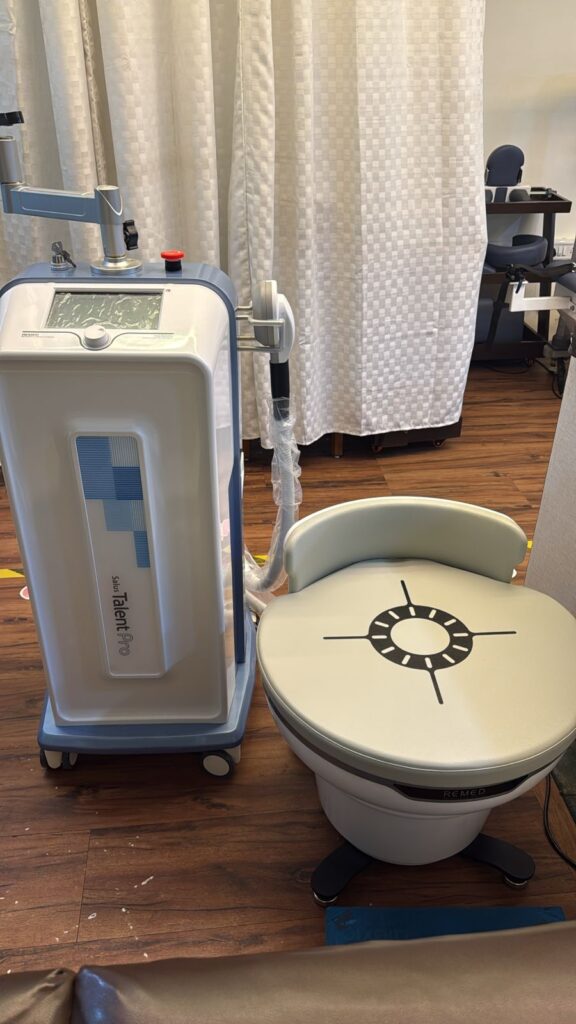
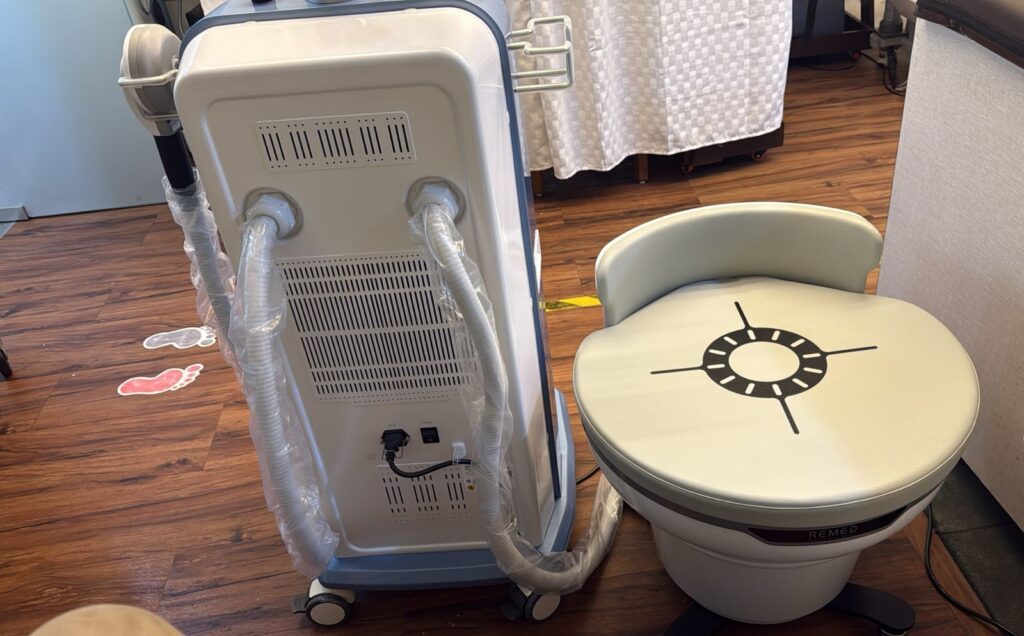
Pelvic Floor Physiotherapy
Specialized physiotherapists use targeted techniques to improve muscle strength and coordination.
Therapies may include:
- Biofeedback
- Electrical stimulation
- Guided exercise programs
- Behavioral training
Minimally Invasive Treatments
Patients who do not achieve sufficient relief through conservative methods may benefit from advanced procedures.
Bulking Agent Injections
Injectable materials improve urethral closure and reduce leakage.
Botulinum Toxin Therapy
Botox injections into the bladder muscle can reduce abnormal contractions associated with overactive bladder.
Neuromodulation Therapy
Electrical stimulation techniques regulate nerve signals controlling bladder function.
Surgical Treatment Options
When symptoms remain severe despite other therapies, surgery may be recommended.
Sling Procedures
Sling surgery provides support to the urethra and is one of the most effective treatments for stress urinary incontinence.
Bladder Neck Suspension
This procedure improves bladder positioning and support.
Artificial Urinary Sphincter
In selected male patients, an artificial urinary sphincter may restore urinary control.
Advances in surgical techniques have resulted in shorter hospital stays, faster recovery, and excellent long-term outcomes.
Choosing the Right Specialist in Mulund
Selecting an experienced urologist is essential for successful treatment.
When choosing a specialist, consider:
- Qualifications and experience
- Expertise in urinary incontinence management
- Availability of diagnostic facilities
- Patient reviews and recommendations
- Personalized treatment approaches
- Access to advanced procedures
A compassionate healthcare provider can make the treatment journey more comfortable and reassuring.
Emotional Impact of Urinary Incontinence
Beyond physical discomfort, urinary incontinence can affect mental and emotional well-being.
Many individuals experience:
- Embarrassment
- Anxiety
- Social withdrawal
- Reduced self-esteem
- Fear of public accidents
- Relationship challenges
Understanding that urinary incontinence is a medical condition—not a personal failure—can encourage individuals to seek the help they deserve.
Preventive Measures for Better Bladder Health
Although not all cases can be prevented, adopting healthy habits may lower the risk of developing urinary incontinence.
Helpful measures include:
- Performing regular pelvic floor exercises
- Staying physically active
- Maintaining a healthy body weight
- Treating chronic cough promptly
- Avoiding smoking
- Managing constipation effectively
- Scheduling routine health check-ups
Take Control of Your Life Again
Living with urinary incontinence can be frustrating, but it does not have to define your future. Modern medicine offers numerous effective treatment options that can dramatically improve bladder control and overall well-being. From simple lifestyle changes and physiotherapy to advanced minimally invasive procedures and surgery, personalized care can help restore confidence and independence.
If you are looking for urinary incontinence treatment in Mulund, do not delay seeking professional advice. Early intervention can lead to better outcomes, improved comfort, and the freedom to participate fully in the activities you enjoy. With expert guidance, compassionate care, and a treatment plan designed specifically for you, overcoming urinary incontinence is entirely possible.
Remember, bladder leakage is not something you simply have to accept. Help is available, treatment works, and a healthier, more confident life can begin with a single consultation.