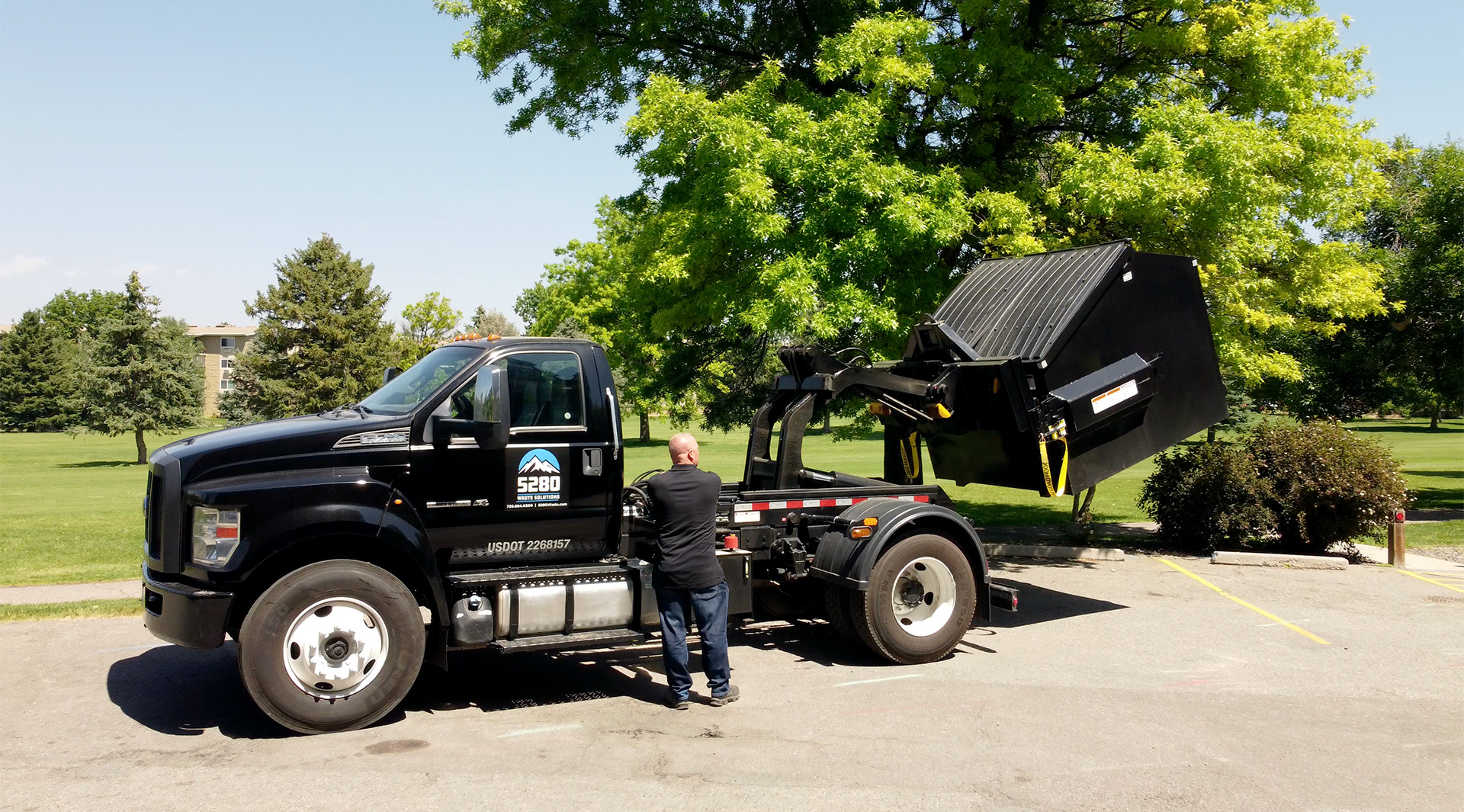
Waste removal is an essential part of construction, remodeling, demolition, landscaping, and large-scale cleanup projects. Waste Management roll off dumpsters provide a practical solution for collecting and disposing of large volumes of debris in an organized and efficient manner. Available in a variety of sizes, roll-off dumpsters are designed to handle residential, commercial, and industrial waste while helping keep job sites safe and clean.
Whether you’re renovating a home, replacing a roof, managing a construction site, or completing a major property cleanout, choosing the right roll-off dumpster can simplify waste disposal and improve project efficiency.
Roll-off dumpsters offer a convenient, flexible, and cost-effective way to manage debris while supporting responsible waste disposal and recycling practices.
This guide explores how roll-off dumpsters work, common applications, available sizes, accepted materials, pricing considerations, and best practices for maximizing your rental.
What Are Roll Off Dumpsters?
A roll-off dumpster is a large, open-top waste container delivered by a specialized truck. Unlike permanent commercial dumpsters, roll-off containers are intended for temporary use during projects that generate significant amounts of waste.
Common characteristics include:
- Open-top design for easy loading
- Large capacity for bulky materials
- Temporary placement on residential or commercial properties
- Scheduled delivery and pickup
- Multiple size options
Roll-off dumpsters are widely used by homeowners, contractors, businesses, and property managers.
Benefits of Roll Off Dumpsters
Convenient Waste Collection
A roll-off dumpster provides a central location for debris throughout the duration of a project.
Benefits include:
- Reduced clutter
- Easier cleanup
- Better organization
- Less manual hauling
Improved Job Site Safety
Construction materials and scattered debris can create hazards.
Using a dumpster helps reduce:
- Trip hazards
- Sharp object exposure
- Blocked walkways
- Workplace accidents
A clean worksite contributes to improved productivity and safety.
Time Savings
Instead of making repeated trips to a landfill or transfer station, all waste can be collected in one container and removed during a scheduled pickup.
Having a roll-off dumpster on-site keeps projects moving efficiently while minimizing interruptions for waste disposal.
Common Uses for Roll Off Dumpsters
Home Renovations
Remodeling projects often generate:
- Drywall
- Cabinets
- Flooring
- Countertops
- Lumber
- Insulation
A dumpster keeps renovation debris organized from start to finish.
Roofing Projects
Roof replacement commonly produces:
- Asphalt shingles
- Flashing
- Roofing felt
- Underlayment
Because roofing materials can be heavy, selecting the appropriate dumpster size and weight allowance is important.
Construction Sites
Construction projects generate large amounts of waste, including:
- Concrete
- Brick
- Wood
- Metal
- Packaging materials
Roll-off dumpsters support efficient debris management on active job sites.
Demolition Projects
Demolition work may produce:
- Concrete
- Drywall
- Lumber
- Roofing materials
- Insulation
Large-capacity dumpsters simplify debris removal.
Property Cleanouts
Estate cleanouts, foreclosure cleanups, and moving projects often involve disposing of:
- Furniture
- Appliances (where permitted)
- Clothing
- Boxes
- Household junk
Roll-off dumpsters make large cleanouts more manageable.
Common Roll Off Dumpster Sizes
Selecting the correct dumpster size helps ensure enough capacity while avoiding unnecessary costs.
| Dumpster Size | Typical Uses |
|---|---|
| 10 Yard | Small remodels, garage cleanouts, yard debris |
| 15 Yard | Deck removal, flooring replacement, medium cleanups |
| 20 Yard | Kitchen remodels, roofing jobs, residential renovations |
| 30 Yard | Large home renovations, commercial projects |
| 40 Yard | Major construction, demolition, industrial projects |
A 20-yard roll-off dumpster is among the most commonly rented sizes because it suits many residential and light commercial projects.
Materials Commonly Accepted
Most roll-off dumpsters accept non-hazardous waste.
Construction Debris
Accepted materials often include:
- Drywall
- Lumber
- Tile
- Roofing materials
- Flooring
- Cabinets
Household Junk
Examples include:
- Furniture
- Clothing
- Toys
- Mattresses (where permitted)
- Boxes
- General household waste
Yard Waste
Many providers accept:
- Branches
- Leaves
- Grass clippings
- Shrubs
- Garden debris
Acceptance may vary depending on local disposal requirements.
Materials Typically Prohibited
Certain materials require specialized handling.
Hazardous Waste
Examples include:
- Paint
- Solvents
- Chemicals
- Pesticides
- Fuel
Electronic Waste
Many electronics must be recycled separately.
Examples include:
- Televisions
- Computers
- Monitors
- Printers
Batteries
Automotive and rechargeable batteries should be taken to approved recycling facilities.
Medical Waste
Medical and biohazardous materials are not permitted in standard roll-off dumpsters.
Pressurized Containers
Items such as propane tanks and compressed gas cylinders are generally prohibited.
Always review disposal guidelines before loading the dumpster.
Factors That Affect Dumpster Rental Costs
Several variables influence the overall cost of a roll-off dumpster rental.
Dumpster Size
Larger containers generally cost more because they provide greater capacity.
Rental Duration
Longer rental periods may result in additional fees.
Weight Allowance
Most rentals include a specific weight limit.
Heavy materials such as:
- Concrete
- Dirt
- Brick
- Asphalt shingles
may exceed the included allowance and increase disposal costs.
Waste Type
Certain materials require specialized disposal methods that may affect pricing.
Delivery Location
Transportation distance and site accessibility can influence rental costs.
Environmental Benefits
Responsible waste disposal supports environmental sustainability.
Recycling Opportunities
Many waste processing facilities recover recyclable materials such as:
| Material | Common Recycling Use |
|---|---|
| Metal | Manufacturing |
| Cardboard | Paper production |
| Wood | Mulch and recycled products |
| Concrete | Road base and aggregate |
Reduced Landfill Waste
Sorting recyclable materials helps reduce landfill use and conserve natural resources.
Cleaner Communities
Proper waste management contributes to:
- Cleaner neighborhoods
- Safer construction sites
- Reduced illegal dumping
Responsible dumpster use supports environmental stewardship while promoting efficient waste management.
Tips for Using a Roll Off Dumpster
Choose the Right Size
Selecting the proper dumpster reduces unnecessary expenses while providing sufficient capacity.
Break Down Large Items
Flatten boxes and dismantle bulky furniture to maximize available space.
Load Heavy Materials First
Place heavier debris at the bottom to improve weight distribution.
Avoid Overfilling
Do not load debris above the fill line, as overfilled dumpsters may not be safely transported.
Separate Prohibited Materials
Dispose of hazardous waste through approved collection or recycling programs.
Frequently Asked Questions
What Projects Benefit Most from Roll Off Dumpsters?
Roll-off dumpsters are ideal for renovations, roofing, construction, demolition, landscaping, estate cleanouts, and major household cleanups.
What Is the Most Popular Dumpster Size?
A 20-yard dumpster is commonly selected for residential remodeling and medium-sized cleanup projects.
Can Concrete Be Placed in a Roll Off Dumpster?
Yes, but concrete is extremely heavy. Be sure to follow the provider’s weight restrictions and recommendations.
How Long Can a Roll Off Dumpster Be Kept?
Rental periods vary depending on the service agreement and project requirements.
Conclusion
Waste Management roll off dumpsters provide a convenient and efficient solution for handling debris generated during home renovations, construction projects, roofing replacements, landscaping work, demolition, and large property cleanouts. Their wide range of sizes, flexible rental periods, and ability to handle substantial amounts of waste make them a valuable resource for both residential and commercial projects.
By selecting the appropriate dumpster size, understanding accepted materials, following safe loading practices, and supporting responsible recycling efforts, customers can complete projects more efficiently while minimizing environmental impact. Whether managing a small home improvement project or a large construction site, roll-off dumpsters offer the flexibility and capacity needed for organized, dependable waste disposal.
A well-chosen roll-off dumpster helps keep projects cleaner, safer, and more efficient while promoting responsible waste management from beginning to end.