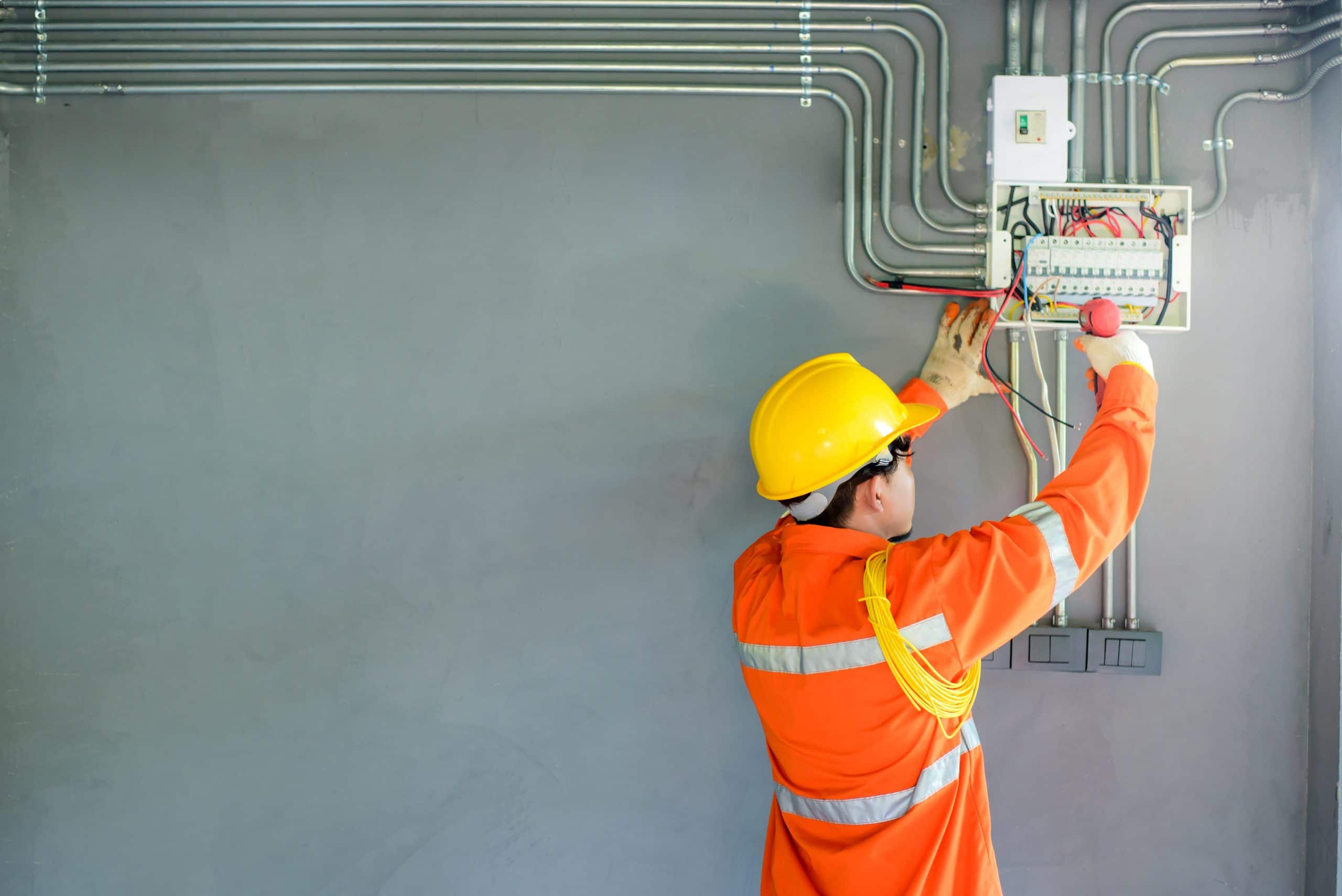
Home rewiring is one of the most important improvements for maintaining electrical safety and reliable power throughout a house. During this process, professionals carefully examine every part of the electrical system to identify hidden issues that may create future problems. A qualified Electrician palm coast follows detailed inspection procedures to confirm that every connection, cable, and electrical component meets current safety standards while supporting the home’s electrical needs.
Why Home Rewiring Requires a Detailed Inspection
Every rewiring project begins with a complete evaluation of the existing electrical system. Older homes often contain worn insulation, outdated wiring materials, overloaded circuits, or improper repairs completed over many years. Electricians inspect these conditions to determine which parts can remain and which require replacement. This assessment also helps create a safe rewiring plan that minimizes future electrical hazards. Careful inspection allows homeowners to avoid expensive repairs later while improving overall electrical performance and reliability throughout the property.
Inspecting the Electrical Panel and Circuit Breakers
The electrical panel serves as the central control point for the home’s electrical system. Professionals inspect the panel for corrosion, overheating, loose wiring, damaged breakers, and signs of excessive electrical demand. They also verify that circuit breakers match the wiring size and provide proper protection against overloads. Modern households often require additional circuits to support appliances, electronics, and smart devices. Reviewing panel capacity ensures the upgraded wiring system can safely handle both current and future electrical requirements.
Checking Wiring Quality and Safety Standards
Electricians inspect every accessible wire to confirm proper installation and compliance with electrical codes. They look for damaged insulation, loose connections, exposed conductors, and incorrect wire sizes that may create overheating risks. Grounding and bonding systems receive careful attention because they protect occupants from electrical shock. Every cable must follow approved routing methods and remain securely fastened. A thorough inspection confirms that the rewiring project delivers dependable electrical service while reducing fire hazards and improving long-term system stability.
Examining Outlets, Switches, and Electrical Fixtures
Outlets, switches, and lighting fixtures are inspected to verify safe operation and correct installation. Electricians check for worn receptacles, cracked switch plates, loose terminals, reverse polarity, and damaged fixture connections. Ground fault and arc fault protection devices are also reviewed where required. Every outlet should provide reliable power without overheating or producing unusual sounds. Careful testing ensures each device works properly and supports everyday household activities without creating unnecessary electrical risks for occupants or connected appliances.
Testing Grounding, Bonding, and System Performance
Grounding and bonding protect both people and equipment by directing dangerous electrical faults safely into the ground. Electricians test these systems using specialized equipment to verify proper continuity and performance. Voltage levels, circuit integrity, and load balance are also measured during the inspection process. These tests identify hidden problems that may not be visible during a visual examination. Accurate performance testing provides confidence that the newly rewired electrical system operates safely under normal household conditions.
Key Steps Electricians Follow During a Home Rewiring Inspection
A complete rewiring inspection typically includes the following tasks:
- Inspect the condition of existing wiring and insulation.
- Examine the electrical panel and circuit breakers.
- Verify correct wire sizing for every circuit.
- Test grounding and bonding connections.
- Inspect outlets, switches, and lighting fixtures.
- Check for overloaded or improperly connected circuits.
- Confirm compliance with local electrical codes.
- Perform final electrical testing before project completion.
Following these steps helps identify potential hazards early and ensures every part of the electrical system functions safely and efficiently after the rewiring work is finished.
Benefits of a Thorough Rewiring Inspection
A detailed inspection offers lasting value beyond completing the rewiring project. Homeowners gain greater confidence that their electrical system operates safely while supporting modern appliances and future electrical demands. Proper inspections also reduce the likelihood of electrical fires, unexpected outages, and costly emergency repairs. Insurance companies and home buyers often appreciate documented electrical upgrades because they indicate responsible property maintenance. Investing in careful inspection during rewiring creates a stronger, safer, and more dependable electrical system for many years.
Conclusion
Professional home rewiring involves much more than replacing old wires. Every part of the electrical system must be carefully inspected to verify safety, performance, and compliance with current standards. Electricians evaluate wiring, electrical panels, outlets, switches, grounding, and overall system operation before completing the project. This careful process helps prevent future problems while improving reliability throughout the home. Choosing experienced professionals for rewiring ensures your home’s electrical system remains safe, efficient, and prepared for everyday electrical demands.