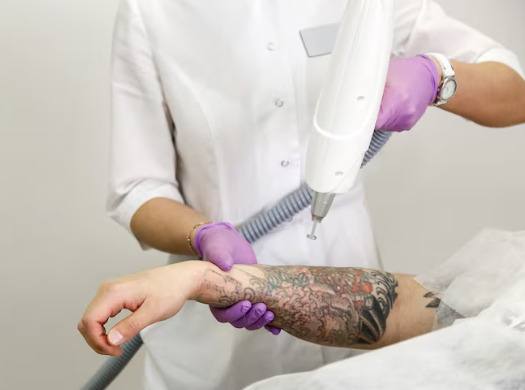
Old pigment from brows or small cosmetic tattoos can look uneven, too dark, or out of shape over time. Many people choose a gentle correction method instead of a laser. This is where tattoo saline removal is used. It is a careful way to remove or lighten pigment using a saltwater-based solution. The process does not work instantly. It follows small steps so the skin can heal while the color slowly becomes lighter. This method is planned in a slow and safe way so the skin gets time to adjust after each stage. It is used mainly for small cosmetic tattoo corrections where soft fading is needed instead of harsh removal.
Skin Mapping That Targets Only the Problem Areas
The session starts with a close check of the skin. The goal is to find the exact spots that need fixing. Not every part is treated; only the areas with unwanted color. This helps keep the process safe and focused.
The technician looks at how deep the color is and how it sits on the skin. Light marks are made to plan where the solution will go. This helps keep the process neat and focused on only what needs to change. Careful planning also helps avoid extra work on healthy skin and keeps the treatment more controlled and precise.
Clean Slate Prep for Safe Application
Before anything starts, the skin is cleaned well. This removes oil, dirt, or any product from the skin. Clean skin helps the solution work better and more evenly. It also lowers the chance of irritation during the process.
A soft numbing layer may be used to make the area feel more comfortable. This helps reduce any small pain or discomfort. After this, the skin is kept dry and ready for the next step. Keeping the surface clean and calm is important so the solution can act properly without blockage or uneven absorption.
Controlled Salt Infusion Technique
A special saltwater mix is gently placed into the top layer of the skin using a fine tool. This step is done very slowly and carefully. The tool is designed to place the solution in small controlled amounts so the skin is not stressed.
The solution works by pulling the pigment upward from the skin. It does not go deep or force the skin. Instead, it helps loosen the color so the body can naturally push it out while healing. This natural lifting process is what makes saline removal different from stronger methods that break pigment quickly.
Immediate Skin Response Phase
Right after the solution is applied, the skin reacts. The area may look a bit red or slightly raised. This is normal and shows the process has started. It is the skin’s natural way of responding to the salt solution.
The skin may also feel a little tight. This is part of the natural reaction and usually settles down over time as healing begins. During this stage, the area is left alone so the skin can start its repair process without disturbance.
Light Scab Formation and Pigment Lift Action
After some time, a thin scab forms on the treated area. This scab holds the lifted color inside it. It acts like a small cover while the skin repairs itself underneath.
As healing continues, the scab falls off on its own. It should not be touched or pulled. The pigment comes out with the scab as part of the natural process. This stage is important because it shows that pigment is slowly leaving the skin in a safe way.
Healing Window With Visible Lightning
Once the scab falls off, the skin starts to heal. The area may look lighter than before. A soft pink shade may appear, but it slowly fades. This is part of normal recovery.
This stage shows early progress. The color is not fully gone in one step. The skin needs time to rest and recover between sessions. The healing window is important because it prepares the skin for the next stage of pigment reduction.
Layered Sessions for Steady Correction
One session is usually not enough. This method works in small steps over time. Each session removes a little more color. This helps avoid stress on the skin and supports even fading.
The gap between sessions allows the skin to heal fully. It also helps check how much pigment is left. With each visit, the color becomes lighter and more even. This step-by-step plan makes the process safe and controlled.
Aftercare Steps That Shape Final Outcome
Aftercare is very important. The treated area must stay clean and untouched. No strong creams or makeup should be used on the healing skin. This helps avoid irritation and keeps the healing smooth.
It is important to let the scab fall off by itself. Touching or scratching can slow healing. Good care helps the skin heal better and keeps the color from fading smoothly. Simple care steps can make a big difference in final results.
Wind Up:
Permanent makeup removal using the saline method follows a slow and careful process that includes skin checking, gentle solution use, natural scab formation, and step-by-step color lightening. Each session helps reduce unwanted pigment in a safe way while the skin heals on its own. The result builds slowly over time, giving a cleaner and more even look without harsh treatment. This method is planned to support natural healing, which makes it suitable for people who want controlled and steady pigment correction.