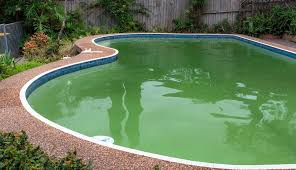
There is nothing quite like looking out at your backyard, expecting to see a shimmering, sapphire oasis, only to find a dull, milky bowl of soup instead.
Cloudy water is one of the most frustrating challenges a pool owner can face. It often seems to happen overnight, transforming a pristine swimming environment into an uninviting mystery. If you are currently staring at a hazy pool, don’t panic. Dull or milky water is simply a symptom of an underlying issue that can be systematically diagnosed and corrected.
To help you reclaim your crystal-clear view, this guide breaks down exactly what makes your pool cloudy and provides a step-by-step action plan to restore your water’s brilliant shine.
The Three Core Culprits: What Makes Your Pool Cloudy?
Pool water loses its clarity when millions of microscopic particles reflect light instead of letting it pass through smoothly. These particles are usually introduced by one of three major factors: filtration issues, chemical imbalances, or environmental factors.
1. Poor Filtration and Water Circulation
If your pool water isn’t moving, it’s dying. Your filter is responsible for physically trapping the tiny debris that dulls your water. If your filter is clogged, dirty, or old, those particles bypass the system and cycle right back into the pool.
- The Turn-around Factor: Your pool pump needs to run long enough to cycle all the water through the filter at least once a day—typically 8 to 12 hours. Cutting down on run times to save on electricity bills is a prime cause of cloudiness.
2. Chemical Imbalances (The “Invisible” Particles)
When your water chemistry drifts out of alignment, minerals and compounds that are normally dissolved in the water suddenly turn into solids.
- Low Sanitizer (Free Chlorine): When free chlorine drops below 1.0 ppm (parts per million), it can no longer kill organic matter efficiently. Early-stage algae growth or high levels of bather waste (sunscreen, sweat) will instantly cause a milky appearance before turning fully green.
- High pH and Alkalinity: If your pH climbs above 7.8 or your total alkalinity passes 120 ppm, it forces the natural calcium in your water to precipitate (separate from the liquid). This creates a fine, floating white dust throughout the pool.
3. Environmental Factors and Bather Load
Sometimes, the environment simply overpowers your pool’s capacity to clean itself. A heavy thunderstorm can dump mineral-heavy rain, pollen, and airborne dust into your pool while simultaneously diluting your chlorine. Similarly, a weekend pool party with a high “bather load” leaves behind body oils, sweat, and cosmetics that can easily overwhelm standard chemical levels.
How to Fix a Cloudy Pool: A Step-by-Step Recovery Plan
To clear up the cloudiness without playing an expensive guessing game at the pool store, follow this systematic rescue protocol:
Step 1: Clean Your Filter Equipment
There is no point in adjusting chemicals if your filter is choking on debris.
- For Cartridge Filters: Remove the elements and thoroughly spray them down with a high-pressure hose. If they are greasy, use a specialized cartridge cleaner soak.
- For D.E. or Sand Filters: Perform a thorough backwash cycle to flush out trapped contaminants.
Step 2: Test and Balance Your Water Chemistry
Grab a high-quality liquid test kit or digital tester to find out exactly what makes your pool cloudy. Adjust your chemical levels in this specific order:
- Total Alkalinity (TA): Target 80 to 120 ppm. Use sodium bicarbonate to raise it, or muriatic acid to lower it.
- pH Level: Target 7.2 to 7.6. High pH is a classic cause of cloudiness; lower it using muriatic acid if it has crept up.
- Calcium Hardness: Target 200 to 400 ppm. If it’s excessively high, you may need to partially drain and refill the pool with fresh water.
Step 3: Shock the Pool (Eliminate Organic Contaminants)
If your chemistry test reveals low free chlorine, you need to sanitize the water aggressively. Add a heavy dose of liquid chlorine or calcium hypochlorite shock according to your pool’s volume.
Pro Tip: Always shock the pool at dusk or nighttime. The sun’s UV rays instantly burn off un-stabilized chlorine, destroying its effectiveness before it can clear the cloudiness.
Step 4: Use a Pool Clarifier or Flocculant (The Shortcuts)
If you’ve balanced the water and the filter is clean, but a fine haze remains, you can speed up the process with a water clearing agent:
- Pool Clarifier: This coagulates tiny, microscopic particles into larger clumps so your filter can finally trap them during normal operation. Run your pump 24/7 until clear.
- Pool Flocculant (“Floc”): This acts like a heavy magnet, binding all floating particles together and sinking them directly to the bottom of the pool floor overnight. The next morning, you simply switch your filter valve to “Waste” and vacuum the thick layer of debris right out of the pool.
Keep Your Water Pristine
Figuring out what makes your pool cloudy doesn’t require a degree in chemistry—just a bit of step-by-step troubleshooting. By keeping your filtration system clean, running your pump consistently, and checking your chemical levels weekly, you can prevent mineral scale and organic grime from taking over your view. Take control of your pool maintenance today, or call in a professional service team to deep-clean your equipment and keep your backyard oasis crystal-clear all season long!