
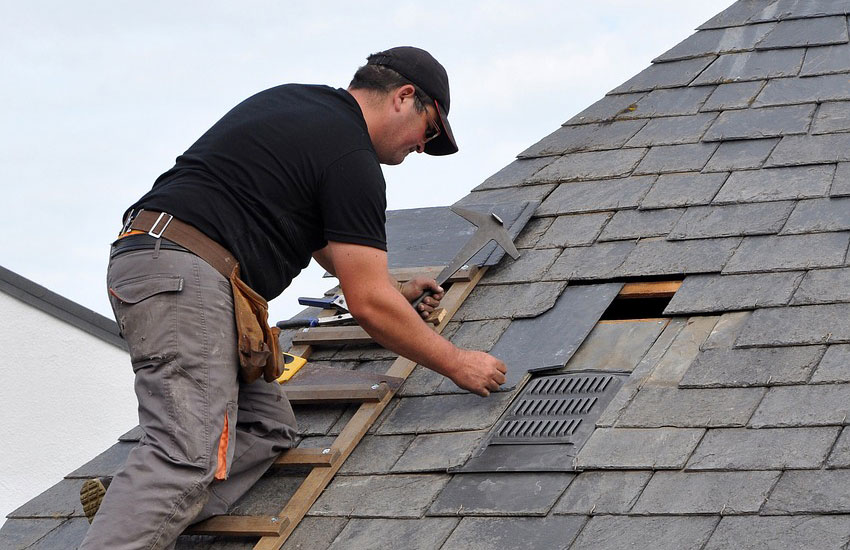
Choosing the right roofing material is one of the most important decisions for protecting a home from severe weather. Heavy rain, strong winds, hail, snow, and extreme heat can shorten the life of a roof that is not built for challenging conditions. Homeowners researching Bruno roofing often want reliable solutions that combine durability with long-term value. Understanding the strengths of different materials helps ensure a roof remains dependable for many decades.
Roofing Materials That Stand the Test of Harsh Weather
Every roofing material offers different levels of strength, lifespan, and weather resistance. Slate roofing often lasts more than 100 years and performs exceptionally well against heavy rain, snow, and freezing temperatures. Metal roofing usually remains in excellent condition for 40 to 70 years while resisting wind, fire, and corrosion. Clay and concrete tiles provide impressive durability in hot climates, often lasting over 50 years. Premium architectural asphalt shingles remain a dependable choice with proper installation and regular maintenance, offering decades of protection at a more affordable cost.
Factors That Affect Roofing Lifespan
A roofing material alone does not determine how long a roof will last. Proper installation, quality underlayment, attic ventilation, and regular inspections all contribute to its durability. Local climate also plays a significant role because constant exposure to moisture, salt air, strong sunlight, or heavy snowfall increases wear over time. Routine cleaning prevents debris buildup that traps water and causes damage. Selecting materials designed for the specific weather conditions in your region helps maximize the roof’s service life and overall performance.
Comparing Popular Roofing Materials
Homeowners should compare durability, maintenance requirements, and long-term costs instead of focusing only on the initial price. Slate remains the longest-lasting option but requires a strong structural foundation because of its weight. Metal roofing offers an excellent balance between durability, energy efficiency, and maintenance. Clay tiles resist heat exceptionally well but may crack under severe impacts. Architectural asphalt shingles remain popular because they are economical, attractive, and easier to replace, making them a practical solution for many residential properties.
How to Choose the Best Roofing Material
Selecting the right roof becomes easier by following a careful process rather than making a quick decision. Begin by evaluating local weather conditions and identifying the biggest environmental challenges. Consider the home’s structure to ensure it can support heavier materials like slate or tile. Compare manufacturer warranties and expected service life before making a final decision. Consulting experienced roofing professionals also provides valuable recommendations based on local building codes and climate conditions, helping homeowners make a confident investment.
Why Professional Installation Matters
Even the strongest roofing material cannot deliver its full lifespan without proper installation. Skilled contractors understand correct fastening methods, flashing placement, ventilation requirements, and waterproof sealing techniques. Careful workmanship reduces the risk of leaks, wind damage, and premature wear. Professional inspections during and after installation also identify potential issues before they become expensive repairs. Choosing qualified installers protects the investment and ensures every roofing component works together to provide reliable weather protection for many years.
Maintenance Tips for Long-Lasting Roof Performance
Regular maintenance helps every roofing material perform at its best throughout its expected lifespan. Following simple practices reduces the chance of costly repairs and extends durability.
- Inspect the roof at least twice each year.
- Remove leaves, branches, and debris from the surface.
- Clean gutters to prevent standing water.
- Replace damaged shingles or tiles promptly.
- Check flashing around chimneys and vents.
- Trim nearby tree branches to reduce storm damage.
- Schedule professional inspections after severe weather events.
Consistent maintenance keeps small issues from becoming major structural problems and helps preserve the roof’s protective qualities throughout changing seasons.
Making a Smart Long-Term Investment
Choosing a roofing material should balance budget, climate, maintenance expectations, and long-term performance. Paying more for a durable roof often reduces repair expenses and replacement costs over several decades. Energy-efficient materials may also lower heating and cooling expenses throughout the year. A roof with a longer lifespan increases property value and provides greater peace of mind during severe weather. Careful planning and informed decisions allow homeowners to enjoy reliable protection without frequent maintenance concerns or unexpected roofing failures.
Conclusion
Harsh weather demands roofing materials that can withstand years of exposure without losing their protective qualities. Slate remains the longest-lasting choice, while metal roofing offers an outstanding combination of durability, efficiency, and value. Clay tiles and premium asphalt shingles also provide dependable performance when matched with the right climate and installed correctly. Careful material selection, professional installation, and regular maintenance work together to create a roof that protects a home for decades, making every investment worthwhile.