Obesity is a complex health condition that affects far more than appearance. It increases the risk of serious medical problems such as type 2 diabetes, high blood pressure, sleep apnea, joint pain, and cardiovascular disease. For individuals who have struggled to achieve lasting weight loss through diet and exercise alone, bariatric surgery can provide a medically proven solution. Sleeve Gastrectomy in Islamabad has become one of the most sought-after weight loss procedures because it offers significant and sustainable results while improving overall health and quality of life.
Whether you are considering surgery or have already undergone the procedure, understanding the warning signs that require immediate medical attention is essential. While most patients recover without major complications, recognizing abnormal symptoms early can prevent serious health issues. This guide explains when you should contact your surgeon after sleeve gastrectomy, what symptoms are considered normal, and how timely medical care contributes to a safe recovery.
Understanding Sleeve Gastrectomy
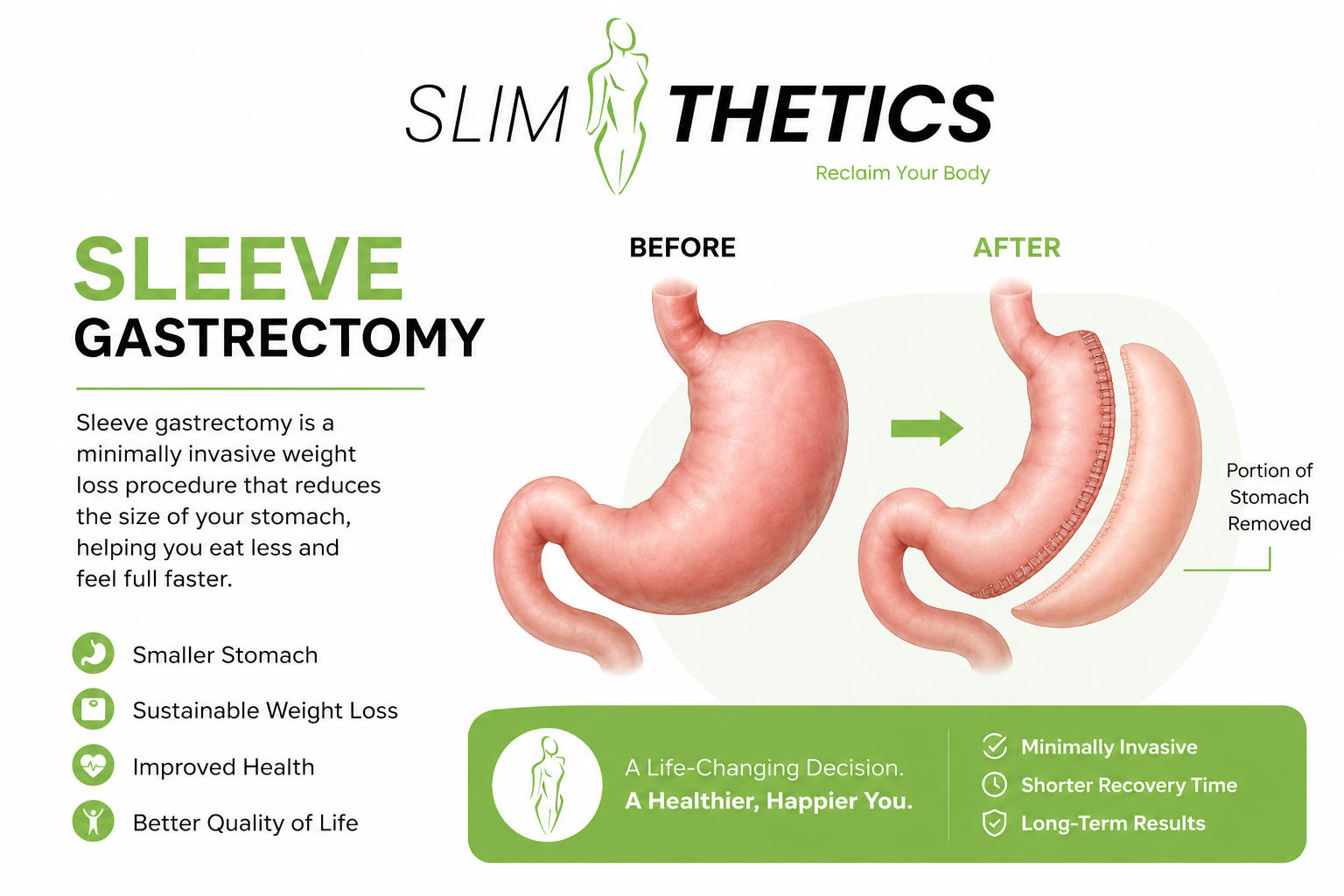
Sleeve gastrectomy is a minimally invasive bariatric procedure in which approximately 75–80% of the stomach is removed, leaving behind a narrow, tube-shaped stomach. This significantly reduces food intake while also lowering the production of hunger hormones, helping patients feel full with smaller meals.
Key Benefits of Sleeve Gastrectomy
- Promotes substantial long-term weight loss.
- Reduces hunger by decreasing ghrelin production.
- Improves obesity-related diseases.
- Requires no intestinal bypass.
- Supports healthier eating habits.
- Offers a relatively shorter recovery period.
- Enhances mobility and physical activity.
- Improves overall quality of life.
Although the surgery has a high success rate, recovery requires careful monitoring and regular communication with your healthcare provider.
Why Follow-Up Care Is So Important
Successful weight loss surgery does not end when you leave the operating room. The recovery period is equally important because your body undergoes significant healing and adjustment.
Regular follow-up appointments allow your surgeon to:
- Monitor your healing progress.
- Identify complications early.
- Assess nutritional health.
- Adjust dietary recommendations.
- Monitor weight loss.
- Evaluate vitamin and mineral levels.
- Address patient concerns.
- Ensure long-term surgical success.
Ignoring unusual symptoms may delay treatment and increase the risk of serious complications.
Normal Symptoms After Sleeve Gastrectomy
Many patients worry about discomfort during recovery. Fortunately, several symptoms are considered normal and gradually improve over time.
Mild Pain
Some soreness around the incision sites is expected.
- Usually improves within one to two weeks.
- Responds well to prescribed pain medication.
- Becomes less noticeable each day.
Fatigue
Your body is healing after major surgery.
- Energy levels may remain low initially.
- Walking helps improve circulation.
- Adequate hydration supports recovery.
Reduced Appetite
A smaller stomach naturally limits food intake.
- Patients feel full quickly.
- Portion sizes decrease significantly.
- Hunger gradually adjusts.
Mild Nausea
Temporary nausea can occur during dietary progression.
- Often improves by eating slowly.
- Avoid overeating.
- Stay hydrated throughout the day.
Warning Signs That Require Immediate Medical Attention
Certain symptoms should never be ignored. Contact your bariatric surgeon immediately if you experience any of the following.
Persistent High Fever
A fever above 38°C (100.4°F) may indicate an infection.
Possible causes include:
- Surgical site infection.
- Internal infection.
- Staple line complications.
- Lung infection.
Immediate evaluation is recommended.
Severe Abdominal Pain
Some discomfort is expected, but severe pain is not.
Warning signs include:
- Sudden worsening pain.
- Constant sharp pain.
- Pain unrelieved by medication.
- Pain accompanied by vomiting.
These symptoms may indicate internal complications.
Difficulty Breathing
Shortness of breath requires urgent medical evaluation.
Possible causes include:
- Blood clots.
- Pneumonia.
- Pulmonary embolism.
- Lung complications.
Seek emergency medical care immediately.
Persistent Vomiting
Occasional nausea is common, but repeated vomiting is concerning.
It may result from:
- Dehydration.
- Narrowing of the stomach.
- Food intolerance.
- Obstruction.
Persistent vomiting can quickly lead to nutritional deficiencies and dehydration.
Rapid Heart Rate
A consistently elevated heart rate may signal an underlying problem.
Potential causes include:
- Internal bleeding.
- Infection.
- Dehydration.
- Staple line leak.
Always report this symptom promptly.
Excessive Bleeding
Contact your surgeon if you notice:
- Continuous wound bleeding.
- Large blood clots.
- Blood in vomit.
- Black or bloody stools.
These symptoms require immediate assessment.
Signs of Dehydration
Hydration becomes more challenging after surgery due to the reduced stomach size.
Symptoms include:
- Dark urine.
- Dizziness.
- Dry mouth.
- Weakness.
- Headache.
- Rapid heartbeat.
Prompt treatment prevents hospitalization.
Redness Around Incisions
Monitor your surgical wounds carefully.
Seek medical advice if you notice:
- Increasing redness.
- Swelling.
- Warmth.
- Pus drainage.
- Foul odor.
These may indicate infection.
Chest Pain
Chest discomfort should never be ignored.
Possible causes include:
- Blood clots.
- Heart problems.
- Lung complications.
Immediate emergency evaluation is essential.
Staple Line Leak: A Rare but Serious Complication
One of the most significant complications after sleeve gastrectomy is a staple line leak.
Although uncommon, it requires urgent treatment.
Symptoms May Include
- Severe abdominal pain.
- Fever.
- Rapid heart rate.
- Shoulder pain.
- Difficulty breathing.
- Persistent nausea.
Early diagnosis dramatically improves treatment outcomes.
Blood Clots After Surgery
Any major surgery increases the risk of blood clots.
Fortunately, preventive measures greatly reduce this risk.
Prevention Tips
- Walk several times daily.
- Wear compression stockings if advised.
- Stay hydrated.
- Take prescribed medications.
- Avoid prolonged bed rest.
Report leg swelling or sudden chest pain immediately.
Nutritional Concerns During Recovery
Although sleeve gastrectomy does not bypass the intestines, nutritional deficiencies can still develop if dietary recommendations are ignored.
Common Nutrients to Monitor
- Iron.
- Vitamin B12.
- Vitamin D.
- Calcium.
- Folate.
- Protein.
Routine blood tests help identify deficiencies before symptoms appear.
When to Call Your Surgeon Instead of Waiting
Patients often hesitate to contact their healthcare provider because they worry about “overreacting.”
However, it is always better to ask questions than ignore concerning symptoms.
Call your surgeon if you experience:
- Fever lasting more than 24 hours.
- Inability to drink fluids.
- Repeated vomiting.
- Persistent diarrhea.
- Severe constipation.
- Increasing incision pain.
- Unusual swelling.
- Difficulty swallowing.
- Signs of dehydration.
- Rapid heartbeat.
Prompt communication can prevent small problems from becoming serious complications.
Tips for a Smooth Recovery
Following your surgeon’s instructions greatly improves recovery and long-term success.
Stay Hydrated
Drink small sips throughout the day.
- Aim for recommended fluid intake.
- Avoid sugary beverages.
- Limit caffeine initially.
Follow Your Diet Progression
Advance foods gradually.
Typical stages include:
- Clear liquids.
- Full liquids.
- Pureed foods.
- Soft foods.
- Regular healthy meals.
Never rush the process.
Walk Every Day
Light physical activity improves circulation.
Benefits include:
- Faster healing.
- Reduced blood clot risk.
- Better digestion.
- Improved energy.
Take Prescribed Supplements
Vitamin supplementation supports long-term health.
Remain consistent with:
- Multivitamins.
- Calcium.
- Vitamin D.
- Vitamin B12.
- Iron (if recommended).
Attend Every Follow-Up Appointment
Regular appointments help ensure:
- Proper healing.
- Safe weight loss.
- Nutritional monitoring.
- Early complication detection.
- Personalized guidance.
Long-Term Success After Sleeve Gastrectomy
Weight loss surgery is a powerful medical tool, but lasting success depends on lifelong healthy habits.
Patients who maintain healthy routines typically experience:
- Significant and sustained weight loss.
- Improved diabetes control.
- Better blood pressure.
- Reduced sleep apnea symptoms.
- Increased confidence.
- Enhanced mobility.
- Better mental well-being.
- Improved overall quality of life.
Commitment to nutrition, exercise, hydration, and regular medical follow-up is the key to maintaining excellent long-term outcomes.
Conclusion
Recovering from sleeve gastrectomy is a gradual journey that requires patience, awareness, and consistent medical follow-up. While mild discomfort, temporary fatigue, and dietary adjustments are expected, symptoms such as severe abdominal pain, persistent vomiting, fever, rapid heartbeat, breathing difficulties, excessive bleeding, or signs of dehydration should never be ignored. Seeking prompt medical advice ensures that potential complications are identified early and treated effectively, helping you achieve a safer recovery and better long-term weight loss results.
If you are considering bariatric surgery or need expert guidance throughout your weight loss journey, Slimthetics Clinic is committed to providing advanced bariatric care, personalized treatment plans, comprehensive follow-up support, and compassionate patient-centered services. Our experienced team is dedicated to helping you achieve healthier, lasting results through evidence-based care and continuous support from consultation to long-term recovery.