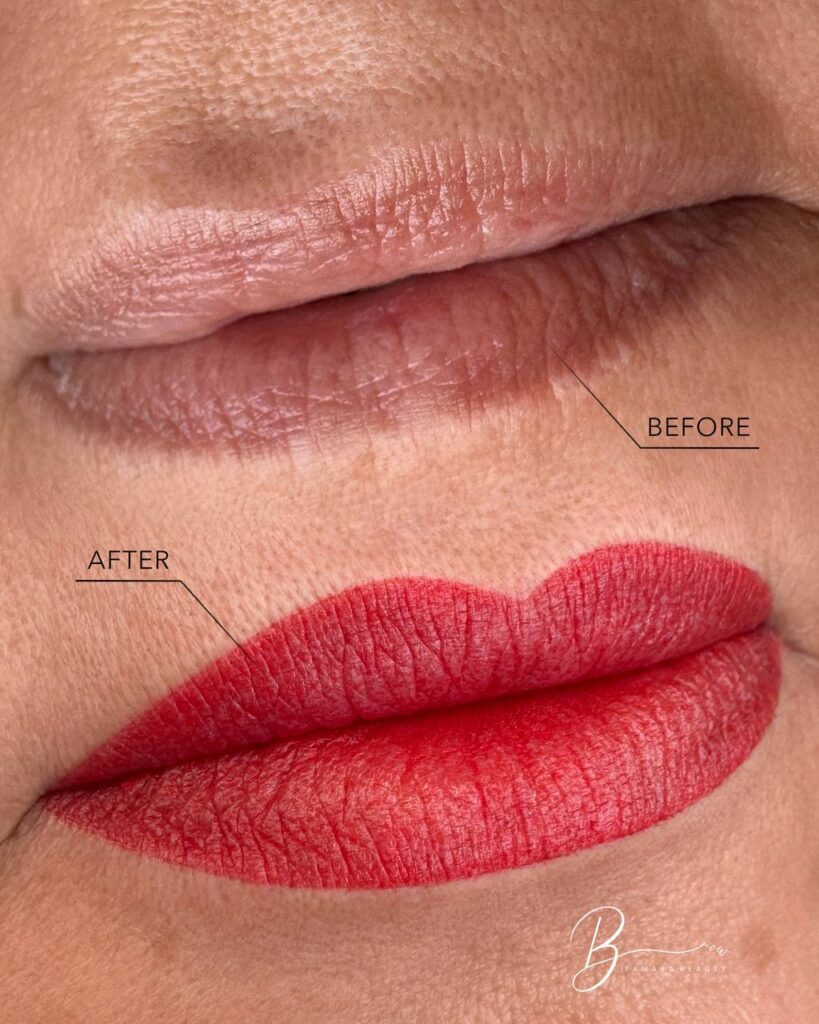
You got your brows, lips, or eyeliner done because you wanted a clean and beautiful look. At first, everything may have looked good. After some time, things can change. The color may become too dark. The shape may no longer match your style. Some pigment may heal in an uneven way. Some colors can change and look too warm or too cool. This is the point where many people begin searching for correction choices. One option getting more attention today is glycolic acid removal because many clients want to learn about different ways to improve old permanent makeup before choosing laser treatment. People today ask more questions than before. They want to understand what may happen after treatment. They want choices that fit their skin, comfort level, and future beauty plans. This is changing the way people think about permanent makeup correction.
One Question Is Showing Up More During Consultations
Years ago, many people only wanted to know if old pigment could be removed. Today, the questions are different.
People now want to know how their skin may look after correction. They ask if future brow work will still be possible. They ask if fading can happen slowly instead of all at once. Some people also want to know if correction can help create better results later.
This shows a big change in the beauty industry. People are learning more before starting treatment. They are thinking about future results instead of only looking for a quick fix.
Many clients also ask if they will still have options after the fading process begins. This is important because people want flexibility. They may want softer brows later or a new lip shape in the future. Planning ahead has become a bigger part of correction discussions.
Not Everyone Wants Every Bit of Pigment Gone
Many people think removal means taking away all pigment from the skin. That is not always the goal.
Some people only want to soften dark colors. Others want to fade old permanent makeup before getting fresh work later. A person with older brows may only want lighter pigment rather than full removal.
This is one reason some clients ask about glycolic acid removal. A slower fading process may help create space for future changes without removing everything at once.
Sometimes a smaller change can create a better final result.
People now understand that correction is not always about starting over from the beginning. Some clients simply want to improve what they already have. A lighter color or softer shape may be enough to create a result that feels better.
Older Permanent Makeup Can React in Different Ways
Not all permanent makeup sits in the skin the same way. Older cosmetic work often used different methods and pigment choices.
This means older pigment can react differently during correction. Some areas may fade faster. Other spots may hold color longer. In some cases, one part of the brow or lip area may respond differently from another.
Past touch-ups can also affect results. Layers of old pigment under the skin may change the way correction works.
This is why specialists often look at treatment history before creating a correction plan. Skin remembers old work even if the pigment looks lighter on the surface.
Older work can sometimes contain several layers of pigment from touch-up appointments done over many years. This can make the correction more detailed. Looking at color on the surface alone may not tell the full story. A consultation helps specialists understand what may be happening under the skin.
People Now Think About Future Results Before Starting Removal
This is one of the biggest changes happening today.
People are no longer thinking only about removing old pigment. Many are already thinking about what comes next. Some people want a softer brow shape. Others want updated lip color. Some want a more natural look that fits their face better.
Correction is now becoming a preparation step. People may choose fading first because they want better results later.
This helps create a long-term beauty plan instead of making decisions based on one appointment.
People now think about shape, color, and style before beginning correction. This helps create a process with a goal rather than making rushed choices. Planning ahead can help support results that fit future beauty preferences.
Correction Is Becoming More Personal
No two people have the same skin story. Skin type, pigment age, healing response, and treatment goals can be different for every person.
Some people want faster fading. Others feel more comfortable with gradual changes. This is one reason correction plans are becoming more personal.
Specialists now spend more time learning about a person’s skin and treatment history before making recommendations. A customized approach can help create better results.
Personalized planning also helps create realistic expectations. Some people may need more sessions than others. Skin condition and pigment depth can affect the process. Understanding these details early can help people feel more prepared before treatment begins.
Wind Up:
Permanent makeup correction is changing because people want more information before choosing treatment. Some people look for fading before future brows. Others explore options linked to eyeliner changes or lip pigmentation correction. Learning about different correction choices can help people understand what may work best for their skin and goals. If you are thinking about correcting old PMU work, schedule a consultation and ask questions first. The right information can help you make a smart and confident decision.