
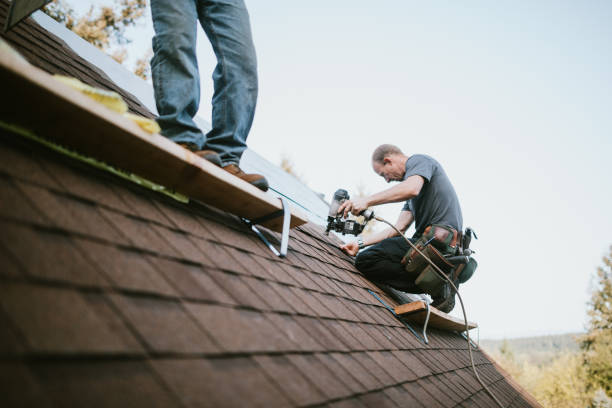
Metal roofing has become an increasingly popular option for residential and commercial properties seeking long-term durability, weather resistance, and low-maintenance performance. Property owners throughout Seattle often evaluate roofing systems based on their ability to withstand moisture exposure, seasonal weather changes, and long-term environmental conditions. Selecting the right roofing material plays an important role in protecting structural integrity and reducing future maintenance concerns. Seattle Roof Systems assists property owners with roofing evaluations and material assessments designed for local conditions. Metal Roofing Services in Seattle, WA are frequently considered when durability, longevity, and weather resistance become important priorities for a roofing project.
Key Takeaways
- Metal roofing offers strong durability and weather resistance.
- Proper installation contributes to long-term performance.
- Seattle’s climate makes material selection especially important.
- Routine inspections help maintain roofing efficiency.
- Professional evaluations support informed roofing decisions.
Understanding The Advantages Of Metal Roofing Systems
Metal roofing systems are designed to provide long-lasting protection against a variety of environmental conditions. Unlike some traditional roofing materials, metal roofs can offer enhanced resistance to moisture, wind, and temperature fluctuations.
Property owners often choose metal roofing because of its durability and ability to maintain performance over extended periods. Modern metal roofing systems are available in a variety of styles and finishes, allowing them to complement both residential and commercial architecture.
In addition to structural protection, metal roofing can contribute to improved energy efficiency by reflecting solar heat and helping regulate indoor temperatures.
Roofing Challenges Commonly Faced In Seattle
Seattle’s climate creates conditions that place ongoing stress on roofing materials. Frequent rainfall, prolonged moisture exposure, and seasonal weather fluctuations can accelerate wear on roofing systems that are not designed for these environmental demands.
Common concerns include moisture intrusion, moss growth, flashing deterioration, drainage issues, and weather-related material degradation. These factors make roofing material selection particularly important for long-term performance.
Property owners who understand local environmental challenges are often better prepared to choose roofing systems that align with regional conditions.
How Local Conditions Influence Metal Roofing Performance
Metal roofing systems perform differently depending on environmental exposure and installation quality. Seattle’s weather conditions make durability and moisture resistance important considerations when evaluating roofing materials.
Many property owners consult Professional Metal Roof Installation when comparing roofing options designed for long-term weather protection. Roofing professionals familiar with Pacific Northwest conditions understand how rainfall, humidity, and seasonal temperature shifts affect roofing systems over time.
This regional knowledge helps property owners select roofing solutions that align with local environmental demands while supporting long-term performance.
Signs That A Roofing Upgrade May Be Worth Considering
- Recurring roof repairs becoming more frequent.
- Widespread material deterioration.
- Persistent moisture-related concerns.
- Aging roofing systems are nearing the end of their service life.
- Increased maintenance requirements.
These indicators often suggest it may be beneficial to evaluate alternative roofing materials and long-term performance options.
Factors Professionals Evaluate Before Recommending Metal Roofing
Before recommending a metal roofing system, roofing professionals perform detailed evaluations of the property’s structural and roofing conditions. These assessments help determine whether the building is well-suited for metal roofing installation.
Professionals typically evaluate roof pitch, structural support capacity, ventilation systems, drainage performance, existing roofing conditions, and long-term maintenance goals. Understanding these factors helps ensure the selected roofing system aligns with the property’s specific requirements.
Comprehensive evaluations provide valuable information regarding installation considerations and expected long-term performance.
Key Areas Reviewed During Roofing Assessments
- Structural support systems.
- Roof slope and design.
- Ventilation performance.
- Drainage functionality.
- Existing roofing condition.
These evaluations help identify opportunities to improve roofing durability and long-term weather resistance.
Long-Term Benefits Of Metal Roofing Systems
One of the primary advantages of metal roofing is its ability to withstand challenging environmental conditions while maintaining structural performance. Properly installed systems often require less maintenance than some traditional roofing materials.
Metal roofing is also known for its resistance to cracking, shrinking, and moisture-related deterioration. Many property owners appreciate the combination of durability and long-term reliability that these systems provide.
Routine inspections and maintenance remain important, but durable roofing materials can help reduce the likelihood of recurring repair concerns.
Metal Roofing Options Available For Seattle Properties
Modern metal roofing systems are available in several configurations designed to meet different architectural and functional requirements. Standing seam systems, metal shingles, corrugated panels, and specialty metal products each offer unique advantages.
Many property owners seek guidance from Roofing Specialists when evaluating roofing styles, material options, and long-term maintenance expectations. Professional assessments help identify the roofing system best suited to the property’s design and environmental exposure.
Understanding available options helps property owners make more informed roofing decisions.
Best Practices For Maintaining Metal Roofing Systems
- Schedule routine roofing inspections.
- Keep drainage systems clear of debris.
- Address minor damage promptly.
- Monitor flashing and seal conditions.
- Remove accumulated organic debris regularly.
These maintenance practices support long-term roofing performance and help preserve system durability.
Choosing A Qualified Roofing Professional
Selecting a qualified roofing professional is an important part of any roofing project. Property owners should evaluate experience, installation expertise, inspection procedures, and familiarity with metal roofing systems before making a decision.
Professionals with regional experience can provide valuable recommendations based on Seattle’s environmental conditions and the property’s specific requirements. Detailed evaluations and transparent communication often contribute to more successful project outcomes.
Working with knowledgeable roofing specialists helps ensure roofing decisions are based on practical considerations and long-term goals.
Additional Recommendations For Property Owners
Property owners considering metal roofing should maintain documentation related to inspections, maintenance activities, and roofing evaluations. Accurate records can support future maintenance planning and help track roofing performance.
It is also beneficial to inspect roofing systems periodically following severe weather events. Early identification of potential concerns helps prevent minor issues from developing into larger problems.
A proactive maintenance approach remains one of the most effective ways to support long-term roofing reliability and property protection.
Conclusion
Metal roofing continues to gain popularity because of its durability, weather resistance, and long-term performance benefits. Professional evaluations, proper installation, and routine maintenance help maximize the value of these roofing systems. Property owners often benefit from enhanced roof longevity, improved weather protection, and dependable structural performance. Choosing the right roofing material remains an important step toward long-term property preservation and sustainable roofing management.
Contact Trusted Professionals
Property owners interested can contact us for professional roofing evaluations, material assessments, and installation planning. Experienced roofing specialists understand Seattle’s environmental conditions and can help identify roofing solutions aligned with long-term property goals. Scheduling a professional consultation supports informed decision-making, improved weather protection, and ongoing roofing performance. Local expertise combined with detailed evaluations helps property owners preserve building integrity while maximizing the long-term benefits of metal roofing systems.
Frequently Asked Questions
How long do metal roofing systems typically last?
Metal roofing systems are known for their durability and can provide long service life when properly installed and maintained.
Is metal roofing suitable for Seattle’s climate?
Yes. Metal roofing performs well in environments with frequent rainfall because of its moisture resistance and durability.
Does metal roofing require maintenance?
Routine inspections and basic maintenance are recommended to help preserve long-term performance and identify developing concerns early.
Can metal roofing be installed on residential and commercial properties?
Yes. Metal roofing systems are commonly used on both residential and commercial buildings because of their versatility and durability.
What factors should be considered before choosing metal roofing?
Property owners should evaluate structural requirements, roof design, environmental conditions, maintenance expectations, and long-term performance goals before making a decision.