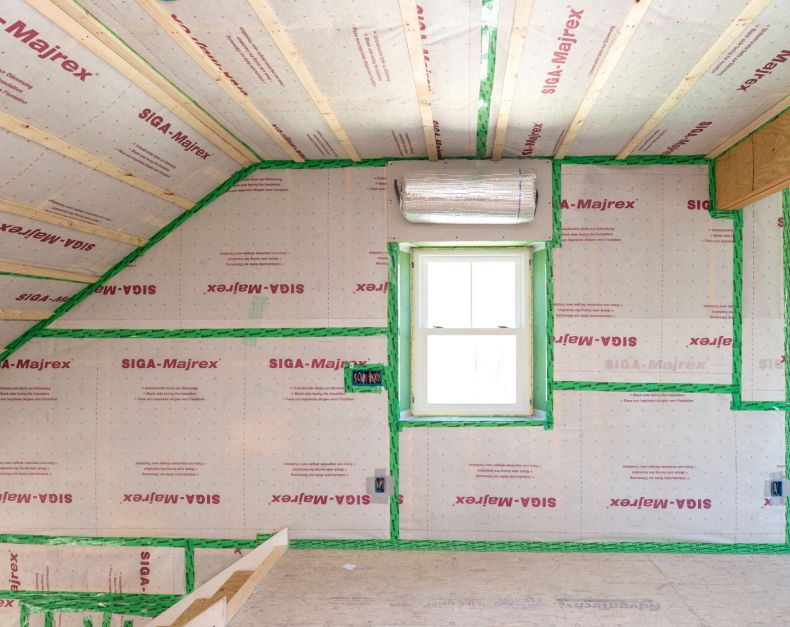
Introduction to Vapor Mitigation in Texas
Vapor mitigation in Texas is becoming increasingly important due to the state’s diverse soil conditions, expanding urban development, and rising awareness of indoor air quality. The term “vapor mitigation” refers to the process of preventing harmful gases, moisture, and chemical vapors from entering buildings through the ground. In Texas, this is especially relevant in areas with historical industrial activity, petroleum sites, or naturally occurring gases like radon. As residential, commercial, and industrial construction continues to grow across cities such as Houston, Dallas, Austin, and San Antonio, vapor mitigation systems are being used more frequently to ensure safe and durable structures. These systems help protect occupants from long-term exposure to hazardous gases and prevent structural damage caused by moisture intrusion.
Why Vapor Mitigation Is Important in Texas
Texas has a wide range of geological conditions, which makes vapor intrusion risks vary significantly from region to region. Some areas have clay-heavy soils that trap moisture, while others may be near former oil fields or industrial zones where contaminants can remain in the ground. One of the main reasons vapor mitigation Texas is critical in Texas is the presence of volatile organic compounds (VOCs) and radon gas. VOCs can originate from fuel storage sites, dry cleaners, or manufacturing facilities, while radon is a naturally occurring radioactive gas found in soil. Both can enter buildings through foundation cracks, utility penetrations, and porous concrete slabs. Without proper vapor mitigation systems, these gases can accumulate indoors, posing serious health risks such as respiratory issues, long-term lung damage, and other chronic conditions.
Common Sources of Vapor Intrusion
Understanding the sources of vapor intrusion is essential for effective mitigation. In Texas, the most common sources include:
1. Industrial and Petroleum Sites
Many areas in Texas have a long history of oil and gas production. Residual contamination from underground storage tanks or spills can release hydrocarbons into the soil.
2. Landfills and Waste Disposal Areas
Decomposing waste in landfills produces methane and other gases that can migrate into nearby structures.
3. Naturally Occurring Radon
Certain geological formations in Texas contain uranium, which naturally breaks down into radon gas. This gas can seep into homes and buildings unnoticed.
4. Agricultural Chemicals
In rural parts of Texas, pesticides and fertilizers may leave chemical residues that contribute to vapor intrusion.
How Vapor Mitigation Systems Work
Vapor mitigation systems are designed to reduce or eliminate the entry of harmful gases into buildings. These systems typically work by creating a barrier or redirecting vapors away from the structure.
Sub-Slab Depressurization Systems
This is the most common method used in Texas. It involves installing pipes and a fan system beneath the building’s foundation. The system creates negative pressure, which draws harmful gases away from the structure and safely vents them outdoors.
Vapor Barriers
A vapor barrier is a thick plastic or polymer sheet installed under the concrete slab. It prevents gases from passing through the floor. This is often used in new construction projects.
Passive Ventilation Systems
In some cases, natural airflow systems are installed to allow gases to escape without mechanical fans. These are typically used in low-risk areas.
Drainage Systems
Proper drainage around a building foundation can reduce moisture buildup and prevent vapor accumulation.
Vapor Mitigation in New Construction vs. Existing Buildings
In Texas, vapor mitigation strategies differ depending on whether the structure is new or already built.
New Construction
For new buildings, vapor mitigation is easier and more cost-effective. Contractors can install vapor barriers and mitigation systems during the foundation stage. This proactive approach ensures long-term protection and compliance with building codes in high-risk areas.
Existing Structures
For older buildings, vapor mitigation often requires retrofitting. This may involve drilling through existing slabs, installing suction pipes, and sealing foundation cracks. Although more complex, retrofit systems are highly effective when properly designed.
Regulatory Guidelines in Texas
Texas does not have a single statewide vapor intrusion law, but several environmental and construction guidelines influence mitigation practices. Agencies such as the Texas Commission on Environmental Quality (TCEQ) and the Environmental Protection Agency (EPA) provide standards for assessing and addressing vapor intrusion risks.
Developers and contractors are often required to conduct environmental site assessments before construction, especially in areas with known contamination history. If risks are identified, vapor mitigation systems may be required as part of the building permit process.
Benefits of Vapor Mitigation Systems
Installing vapor mitigation systems in Texas provides multiple benefits for property owners, developers, and occupants.
Improved Indoor Air Quality
By blocking harmful gases, vapor mitigation systems significantly improve the quality of air inside buildings.
Health Protection
These systems reduce exposure to toxic substances that can cause long-term health issues.
Structural Protection
Moisture and chemical vapors can weaken concrete and building materials over time. Mitigation helps preserve structural integrity.
Increased Property Value
Buildings with installed vapor mitigation systems are often more attractive to buyers and investors due to reduced environmental risk.
Compliance with Regulations
Proper mitigation ensures compliance with environmental and construction standards, reducing legal risks for developers.
Choosing a Vapor Mitigation Contractor in Texas
Selecting the right contractor is critical for effective vapor mitigation. In Texas, experienced professionals typically follow EPA guidelines and conduct thorough site assessments before designing a system.
When choosing a contractor, consider the following:
- Experience with Texas soil conditions
- Certification in environmental or mitigation systems
- Use of high-quality materials and equipment
- Knowledge of local building codes
- Ability to provide long-term maintenance support
A well-designed system not only solves current issues but also ensures long-term safety and performance.
Maintenance and Monitoring of Vapor Mitigation Systems
Once installed, vapor mitigation systems require periodic inspection to ensure they continue working effectively. Fans, seals, and piping systems should be checked regularly for wear or damage. In commercial buildings, continuous monitoring systems may be installed to track gas levels and system performance. Homeowners are usually advised to schedule annual inspections.
Future of Vapor Mitigation in Texas
As environmental awareness increases and urban development expands, vapor mitigation will continue to play a major role in construction across Texas. Advances in sensor technology, smart monitoring systems, and eco-friendly materials are making mitigation systems more efficient and reliable. Additionally, stricter environmental assessments are expected in the future, especially in rapidly growing metropolitan areas. This will likely make vapor mitigation a standard requirement in many construction projects.
Conclusion
Vapor mitigation in Texas is a critical component of modern construction and environmental safety. With the state’s diverse soil conditions and history of industrial activity, the risk of vapor intrusion is real and should not be ignored. Whether for new developments or existing structures, properly designed mitigation systems protect human health, preserve building integrity, and ensure long-term safety. By understanding the risks and investing in professional vapor mitigation solutions, property owners and developers in Texas can create safer, healthier, and more durable buildings for the future.