Winter can quietly damage different parts of your home, from frozen pipes and roof leaks to clogged gutters and poor indoor air circulation. As temperatures rise, homeowners often discover issues caused by moisture, ice, and months of heavy heating use. Addressing these repairs early can prevent costly structural damage and improve your home’s safety and comfort.
After a long winter, many homeowners are surprised by how much wear and tear their homes have endured. One family might notice water stains spreading across the ceiling after snow begins to melt, while another realizes their heating system has been pushing dusty air through the house for months. Have you ever opened your windows on the first warm day of spring only to notice stale air, strange odors, or signs of water damage around your home? Seasonal maintenance is not just about appearance—it plays a major role in protecting indoor air quality, preventing fire hazards, and extending the life of your home systems.
Roof Damage and Leaks
One of the most common problems after winter is roof damage. Snow accumulation, ice dams, and freezing temperatures can weaken shingles and create openings where water can enter.
Signs Your Roof Needs Repair
Homeowners should look for:
- Missing or cracked shingles
- Water stains on ceilings
- Damp attic insulation
- Sagging roof sections
- Mold or mildew smells
Ignoring roof issues can lead to larger structural problems. Spring inspections are especially important after severe storms or prolonged freezing temperatures.
Why Winter Causes Roof Problems
When snow melts and refreezes, ice dams can form along roof edges. These dams trap water under shingles, allowing moisture to seep into the home. Even small leaks can eventually damage drywall, insulation, and wooden framing.
Damaged Gutters and Downspouts
Gutters work hard during winter. Heavy snow, ice, and debris can cause them to crack, sag, or detach from the house.
Common Gutter Problems
After winter, gutters often experience:
- Blockages from leaves and debris
- Loose fasteners
- Cracks or holes
- Water overflow near the foundation
Cleaning gutters early in spring helps prevent water damage and basement flooding. Proper drainage also protects landscaping and siding.
Frozen or Burst Pipes
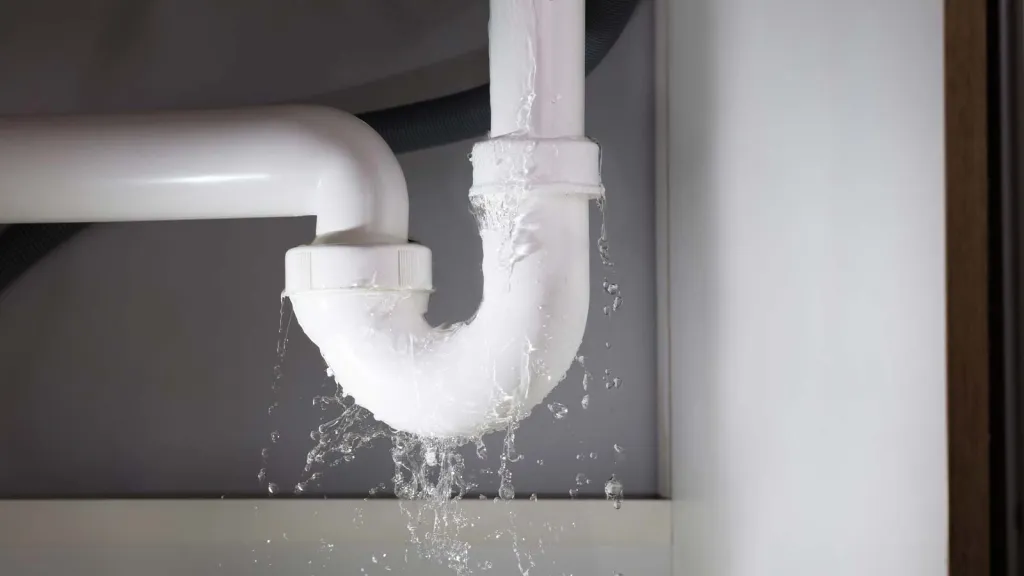
Frozen pipes are among the most expensive winter-related repairs. Water expands as it freezes, placing pressure on plumbing lines until they crack or burst.
Areas Most at Risk
Pipes located in these areas are especially vulnerable:
- Basements
- Crawl spaces
- Garages
- Exterior walls
- Outdoor faucets
Even a small crack can release gallons of water into the home. Homeowners should inspect plumbing carefully for leaks, low water pressure, or unusual moisture.
HVAC System Wear and Tear
Heating systems work overtime during winter, which can leave HVAC components dirty and strained by spring.
Why HVAC Maintenance Matters
A neglected HVAC system may:
- Circulate dust and allergens
- Increase energy bills
- Reduce airflow
- Create uneven heating and cooling
- Increase fire risks
This is why many homeowners schedule professional inspections and Air duct cleaning once winter ends. Dust, debris, pet dander, and contaminants often build up inside ductwork during months of closed windows and constant heating use.
Benefits of Air Duct Cleaning
Regular Air duct cleaning can help improve indoor air quality and system efficiency. Cleaner ducts may reduce airborne allergens and help your HVAC system operate more effectively. Families with asthma or allergies often notice fresher air after professional maintenance.
In some homes, Air duct cleaning also removes lingering odors caused by winter heating, smoke, or trapped moisture.
Cracked Driveways and Walkways
Freeze-thaw cycles can seriously damage concrete and asphalt surfaces. Water enters tiny cracks, freezes, expands, and gradually worsens the damage.
What to Watch For
Inspect outdoor surfaces for:
- Uneven pavement
- Deep cracks
- Loose concrete
- Pooling water
Repairing cracks early prevents larger issues and improves safety by reducing trip hazards.
Foundation and Basement Moisture Problems
As snow melts, excess water around the home can seep into basements and foundations.
Warning Signs of Water Damage
Homeowners should check for:
- Damp basement walls
- Musty odors
- Mold growth
- Peeling paint
- Standing water
Moisture problems should never be ignored because they can weaken structural materials and affect indoor air quality. In homes with excessive dust or mold concerns, Air duct cleaning may help reduce contaminants circulating through the ventilation system.
Window and Door Seal Damage
Cold temperatures can weaken caulking and weather stripping around windows and doors.
Why Seals Matter
Damaged seals can lead to:
- Drafts
- Higher energy bills
- Moisture intrusion
- Reduced indoor comfort
Replacing worn seals improves energy efficiency and helps keep spring pollen and outdoor pollutants from entering the home.
Chimney and Fireplace Repairs
Many homeowners use fireplaces heavily during winter, but chimneys often go unchecked afterward.
Common Fireplace Issues
Spring inspections may reveal:
- Creosote buildup
- Cracked chimney liners
- Loose bricks or mortar
- Smoke ventilation problems
Creosote is highly flammable, making chimney maintenance important for fire prevention. Along with chimney cleaning, Air duct cleaning is often recommended to remove soot and dust particles that may have circulated through the home during winter heating.
Pest Problems After Winter
Winter weather forces many pests indoors in search of warmth and shelter.
Common Spring Pest Issues
Homeowners may discover:
- Rodents in attics
- Insects near damp areas
- Damaged insulation
- Chewed wiring
Pests can contaminate insulation and ventilation systems. In some situations, professional Air duct cleaning becomes necessary after infestations to remove allergens, droppings, and debris from ductwork.
Mold and Indoor Air Quality Concerns
Winter moisture combined with limited ventilation creates ideal conditions for mold growth.
Areas Prone to Mold
Check these locations carefully:
- Bathrooms
- Basements
- Attics
- Around windows
- Near leaking pipes
Poor indoor air quality can affect comfort and health. Mold spores, dust, and allergens may spread through HVAC systems if left untreated. Scheduling Air duct cleaning after water damage or mold remediation can help improve airflow and reduce airborne contaminants.
How to Prevent Costly Repairs After Winter
Preventive maintenance saves money and helps homeowners avoid emergency repairs.
Spring Home Maintenance Checklist
A thorough inspection should include:
- Roof and attic checks
- Gutter cleaning
- Plumbing inspection
- HVAC servicing
- Foundation inspection
- Chimney cleaning
- Window seal replacement
Professional maintenance services can also help identify hidden issues before they become serious.
Conclusion
Winter can leave behind hidden damage that affects your roof, plumbing, HVAC system, and indoor air quality. By inspecting your home early in spring and addressing repairs quickly, you can avoid larger expenses and create a safer, healthier living environment for your family. Regular maintenance, including professional HVAC care and AAA Air Duct Cleaning, can help keep your home comfortable and efficient throughout the year.
FAQs
1. Why are home repairs common after winter?
Cold temperatures, snow, ice, and moisture can damage roofs, pipes, gutters, and HVAC systems during winter months.
2. How do I know if my air ducts need cleaning?
Dust buildup, poor airflow, allergy symptoms, and musty odors are common signs that Air duct cleaning may be needed.
3. What is the most expensive winter-related home repair?
Burst pipes and major roof leaks are often among the costliest repairs after winter.
4. How often should gutters be cleaned after winter?
Most homeowners should clean gutters at least once in early spring to prevent drainage problems.
5. Can winter moisture cause mold growth?
Yes. Excess moisture and poor ventilation during winter can create conditions that allow mold to grow inside the home.