
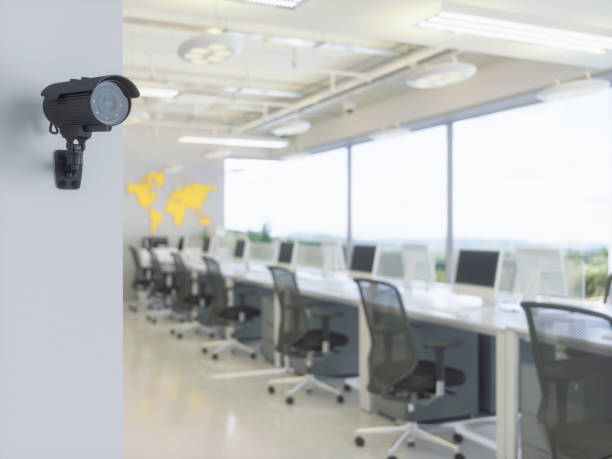
The security system at many companies needs replacement almost exactly when their first projections predict. The small site system functioned correctly until the company required it to serve bigger operations.
The security system becomes a constant difficulty because of three issues, which include slow footage loading, poor storage and weak network support. The system design prevents expansion, which creates dangerous areas that protect neither people nor their possessions.
Businesses need a CCTV system that can grow with their needs to address security challenges. The guide defines commercial surveillance cameras, which can expand their capabilities through specific features needed for future development.
Why Scalability Matters in Commercial Security
All businesses experience growth and transformation throughout their existence. The security system becomes inadequate when a company expands through hiring new employees, operating larger facilities and establishing additional sites.
Businesses can grow their operations through scalable commercial security cameras, which enable them to maintain existing systems. The system enables businesses to maintain operations during downtime while managing their expenses effectively.
The scalable system enables businesses to expand their operations through increased camera deployment and storage capacity, dual location management and additional user and device support and software system updates.
What Actually Makes a System Scalable?
A scalable CCTV system for businesses should grow with your business without slowing down or becoming harder to manage.
1. IP-Based Camera Infrastructure
IP cameras make expansion much easier because they work through your existing network. Unlike analogue systems, they allow businesses to add cameras without major rewiring or system changes.
- Easy camera expansion through network switches
- Less cabling and lower installation costs
- Better support for remote access and monitoring
This creates a strong base for long-term system growth.
2. An NVR or VMS That Grows With You
Your recording system matters just as much as the cameras themselves.
- A Network Video Recorder (NVR) should support more camera channels than you currently need
- A Video Management System (VMS) gives you software-based control, often with no hard camera limit
- Cloud-based VMS platforms let you manage multiple sites from one dashboard
If your NVR only supports 8 channels and you’re already at 7, you’re almost out of room.
3. Flexible Storage Options
Storage is where many businesses get stuck. They run out of space, delete footage they need, or spend a lot upgrading drives.
A scalable system supports:
- On-site NAS or NVR with expandable storage bays
- Cloud storage as a backup or overflow
- Tiered storage, where recent footage stays local and older footage moves to the cloud
Plan for at least 30 days of retention from the start. It’s easier to add storage than to rethink your whole system later.
The Role of Network Infrastructure
The quality of your cameras depends on the strength of the network which transmits their signals.
Power Over Ethernet (PoE) Switches
Through a single cable connection, PoE switches provide both power and network connectivity to cameras. You only need additional PoE ports to add more cameras because existing power outlets and separate cabling systems do not require installation.
Bandwidth Planning
Cameras with high-resolution capabilities require increased network bandwidth. Your network will experience performance issues if it cannot handle 10 to 20 cameras which stream 4K video content.
Your bandwidth requirements should be established through collaboration between your IT department and security installers before you begin your expansion process.
What to Ask Before You Buy
Before committing to commercial surveillance cameras, ask your installer these questions:
- How many cameras can this NVR or VMS support at maximum?
- Can I add cameras without replacing core hardware?
- Does the system support cloud integration?
- Is the software licensed per camera or per site?
- What happens to my footage if I switch providers?
These questions separate scalable systems from ones that will limit you in 18 months.
How Singapore Businesses Should Plan for Scale
The development of scalable commercial security cameras requires consideration of specific elements that pertain exclusively to Singapore.
The HDB shophouses and conservation buildings impose restrictions on their users to prevent cabling and drilling activities. The installation of wireless IP cameras with PoE backhaul enables users to bypass these restrictions.
The commercial buildings in the CBD area operate with multiple tenants who share their network resources. You need to establish a separate network section which will protect your security cameras from unauthorised access.
The placement of cameras in industrial areas requires compliance with MOM workplace safety requirements and SCDF guidelines.
The establishment of your security system in Singapore through a certified security systems integrator will ensure that your entire system requirements get addressed from the initial planning stage.
Conclusion
A security system that can expand its capacity requires more than additional surveillance cameras. The appropriate commercial surveillance cameras provide flexible data storage solutions which enable system growth while maintaining high-level security protection and providing integrated systems that enhance operational efficiency throughout the day.
A CCTV system, which businesses can expand according to their needs, has evolved from a practical security solution. The solution now represents a vital component of sustainable corporate development.
FAQs
What is a scalable CCTV system for businesses?
A scalable CCTV system lets you add more cameras, storage, and locations without replacing your core hardware or software. The system uses IP-based infrastructure and flexible recording systems and centralised management tools, which enable businesses to expand their operations.
How many cameras does a commercial surveillance system need?
The number of cameras required depends on the size of your site and its layout, and areas that pose high security threats. The first step to developing security measures involves identifying entry points and valuable assets and areas which lack visibility.
Are commercial security cameras in Singapore subject to data protection laws?
Yes. Businesses in Singapore must manage footage according to PDPA regulations, which require them to store footage securely, limit its retention time and restrict access to it. Your system needs to include features for encrypted storage and access control, which will help you meet compliance requirements.
Can I manage multiple Singapore locations from one system?
Yes, if you use a VMS or cloud-based platform that supports multi-site management. The system provides you with one login, which delivers unified alerts and gives you centralised access to all your security footage regardless of how many locations you operate throughout Singapore.
Read More Blogs on: Blogging Webs