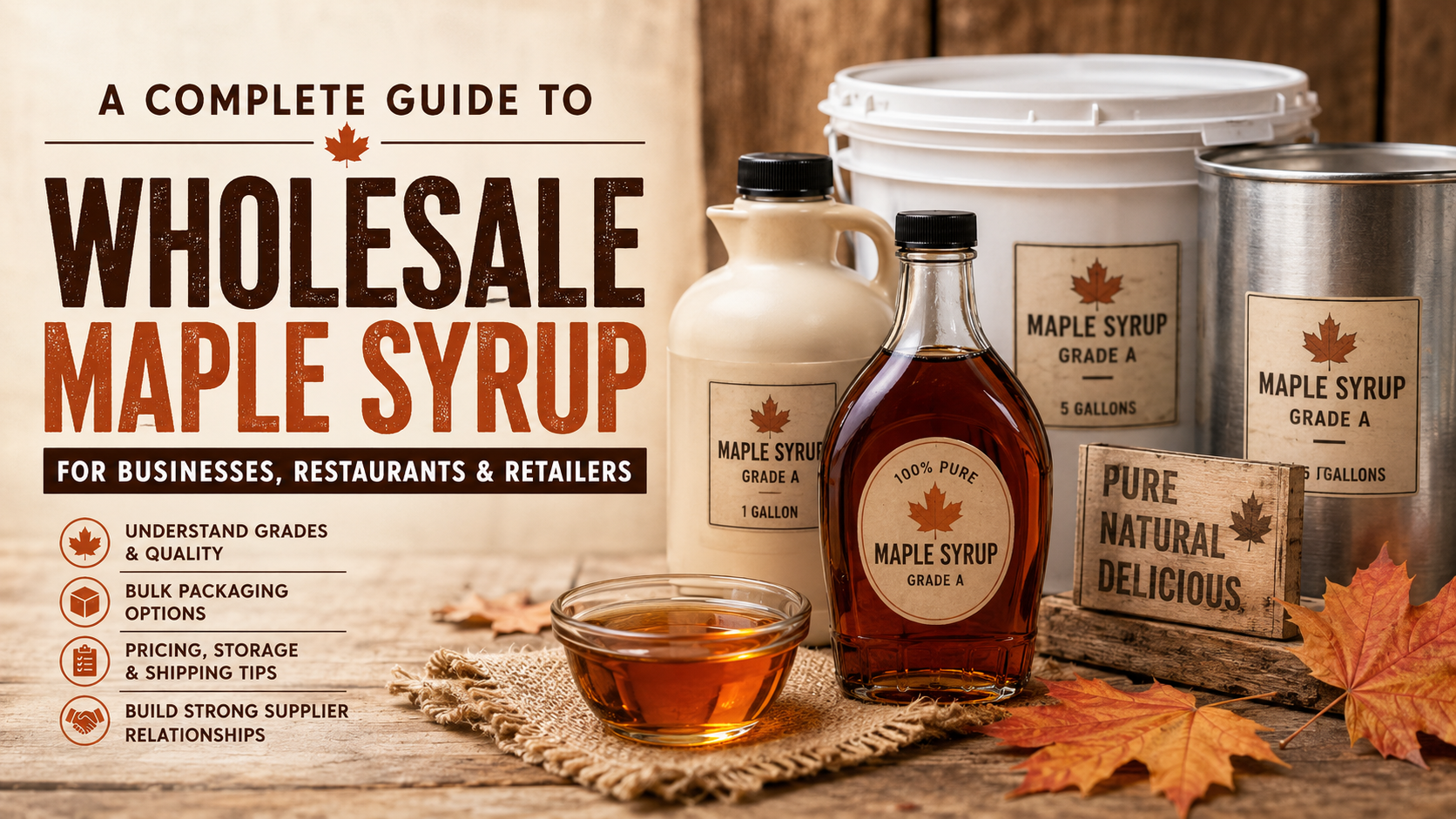
Maple syrup has become more than a breakfast staple. Restaurants, bakeries, breweries, gourmet food brands, and specialty retailers now use it in sauces, desserts, beverages, marinades, and packaged products. As demand grows, businesses are paying closer attention to sourcing high-quality syrup at scale without sacrificing consistency or flavor.
For many buyers, the challenge is not simply finding syrup. The real issue is finding reliable suppliers that offer consistent grading, dependable packaging, transparent production practices, and stable inventory throughout the year. Buyers looking for regional suppliers often research options such as wholesale maple syrup near jefferson ohio to better understand sourcing standards, seasonal production, and bulk purchasing options within established maple-producing areas.
Wholesale maple syrup purchasing requires more planning than many first-time buyers expect. Factors like grading systems, storage conditions, packaging formats, and seasonal availability can significantly impact product quality and operational costs. Understanding these details helps businesses avoid supply disruptions and maintain product consistency for customers.
Understanding the Wholesale Maple Syrup Market
Wholesale maple syrup refers to syrup sold in bulk quantities for commercial use. Buyers may include:
- Coffee shops
- Restaurants
- Food manufacturers
- Breweries
- Bakeries
- Grocery stores
- Gift basket companies
- Catering businesses
Unlike retail syrup sold in small glass bottles, wholesale syrup is commonly packaged in larger containers such as gallon jugs, pails, drums, or food-grade totes.
The North American maple syrup industry primarily operates in the northeastern United States and Canada. Production depends heavily on weather conditions during late winter and early spring. Freeze-and-thaw temperature cycles allow maple sap to flow properly, making each season slightly different in yield and flavor profile.
Because maple syrup is a natural agricultural product, experienced wholesale buyers understand the importance of working with suppliers who maintain consistent production and quality control practices.
How Maple Syrup Grades Affect Wholesale Purchasing
One of the most important parts of buying maple syrup wholesale is understanding syrup grades. The grading system helps buyers choose the right flavor and color for their intended use.
The USDA grading categories generally include:
- Golden Color, Delicate Taste
- Amber Color, Rich Taste
- Dark Color, Robust Taste
- Very Dark Color, Strong Taste
Lighter syrups typically work well for table use and premium retail packaging. Darker syrups are often preferred by commercial kitchens and food manufacturers because the stronger maple flavor remains noticeable in baked goods and recipes.
For example, a pancake restaurant may prefer amber syrup for serving customers directly, while a barbecue sauce manufacturer may select dark robust syrup for stronger flavor retention during cooking.
Wholesale buyers should always request detailed grade specifications before placing large orders. Even small flavor differences can affect final products.
Step-by-Step Guide to Buying Wholesale Maple Syrup
Define Your Intended Use
Start by identifying how the syrup will be used. Different applications require different grades and packaging formats.
Examples include:
- Retail bottle resale
- Baking ingredients
- Beverage sweetening
- Candy production
- Restaurant table service
- Craft beverage manufacturing
A bakery producing maple cookies may prioritize strong flavor over light color. Meanwhile, a gourmet retailer may focus on appearance and presentation.
Estimate Volume Requirements
Accurate forecasting prevents overbuying or supply shortages. Businesses should calculate monthly and seasonal usage patterns before negotiating wholesale agreements.
Many suppliers offer price advantages for larger orders. However, buyers should avoid purchasing more syrup than they can properly store.
Evaluate Packaging Options
Wholesale maple syrup commonly comes in:
- Plastic gallon containers
- Tin cans
- Food-grade buckets
- Stainless steel drums
- Intermediate bulk containers
Packaging choice affects storage efficiency, transportation costs, and shelf life management.
Smaller businesses often prefer gallon containers because they are easier to handle. Large manufacturers may use drums or totes for production efficiency.
Verify Production Standards
Professional buyers should ask questions about:
- Filtering processes
- Food safety procedures
- Batch consistency
- Storage methods
- Production timelines
Reliable suppliers maintain strict sanitation and temperature controls throughout processing and packaging.
Review Shipping and Storage Logistics
Maple syrup is shelf-stable when unopened, but improper storage can affect quality over time.
Buyers should confirm:
- Shipping schedules
- Lead times
- Temperature considerations
- Warehouse storage conditions
- Seasonal inventory availability
Long-term wholesale partnerships usually perform better when logistics expectations are clearly established upfront.
Factors That Influence Wholesale Maple Syrup Pricing
Maple syrup prices can vary considerably depending on several industry factors.
Seasonal Production Changes
Weather directly impacts sap flow and syrup production. Poor production seasons often lead to higher wholesale prices due to reduced supply.
Grade and Flavor Intensity
Lighter grades sometimes command premium pricing because they are produced earlier in the season and may have more limited availability.
Organic Certification
Certified organic syrup typically costs more due to stricter production requirements and certification expenses.
Packaging and Transportation
Shipping heavy liquid products increases freight costs. Buyers located farther from maple-producing regions may experience higher landed costs.
Market Demand
Consumer interest in natural sweeteners continues to grow. Increased demand from health-conscious consumers and food manufacturers can influence wholesale pricing trends.
Common Challenges Wholesale Buyers Face
Even experienced buyers encounter challenges when sourcing maple syrup.
Inconsistent Flavor Profiles
Because maple syrup is naturally produced, flavor can vary slightly between seasons and batches. Businesses using syrup in branded products must monitor consistency carefully.
Some manufacturers blend batches strategically to maintain a stable flavor profile across production runs.
Improper Storage Conditions
Exposure to excessive heat or air can reduce syrup quality over time. Once opened, syrup should generally be refrigerated to prevent spoilage.
Warehouses storing bulk syrup should maintain stable environmental conditions.
Misunderstanding Syrup Grades
New buyers sometimes purchase syrup grades that do not fit their intended applications. This can create flavor imbalance in recipes or unnecessary expenses.
Testing small quantities before committing to large orders helps minimize risk.
Overlooking Lead Times
Maple syrup production is seasonal, but demand exists year-round. Businesses that wait too long to secure inventory may encounter supply delays during busy periods.
Long-term purchasing plans help avoid disruptions.
Expert Tips for Choosing a Reliable Wholesale Supplier
Experienced food businesses usually evaluate suppliers using more than price alone.
Prioritize Transparency
Strong suppliers openly discuss production practices, sourcing methods, and inventory capabilities.
Clear communication often reflects better operational reliability.
Request Samples Before Large Orders
Sampling allows buyers to evaluate:
- Flavor consistency
- Color accuracy
- Packaging quality
- Aroma
- Texture
Testing products internally before scaling up reduces purchasing mistakes.
Consider Supplier Experience
Long-established maple producers often have stronger operational systems and deeper understanding of seasonal production management.
Experienced suppliers also tend to provide better guidance for commercial buyers.
Match Syrup Grades to Product Goals
Do not automatically select the lightest syrup available. Many commercial applications benefit from darker, stronger grades that provide more noticeable maple flavor.
Choosing the correct grade can improve both product quality and cost efficiency.
Build Long-Term Relationships
Stable supplier relationships often improve communication, inventory planning, and consistency over time.
Many successful food businesses maintain ongoing partnerships with trusted syrup producers rather than constantly changing suppliers based solely on short-term pricing.
The Growing Demand for Natural Sweeteners
Consumers increasingly prefer recognizable, minimally processed ingredients. Maple syrup fits well into this trend because it is produced directly from maple sap with limited processing.
Food brands now use maple syrup in:
- Energy bars
- Coffee beverages
- Salad dressings
- Granola
- Ice cream
- Craft beer
- Specialty sauces
This growing demand continues expanding opportunities for wholesale maple syrup suppliers and commercial buyers alike.
Businesses that understand sourcing practices, grading systems, and storage requirements can better position themselves for consistent product quality and operational efficiency.
Conclusion
Wholesale maple syrup purchasing involves much more than comparing prices. Successful buyers evaluate syrup grades, production consistency, packaging formats, storage conditions, and supplier reliability before making purchasing decisions.
Whether sourcing syrup for restaurants, retail shelves, or food manufacturing, businesses benefit from understanding how seasonal production and grading systems affect quality and availability. Careful planning, product testing, and long-term supplier relationships can help businesses maintain consistency while meeting growing consumer demand for natural sweeteners.
By approaching wholesale maple syrup sourcing strategically, buyers can reduce operational challenges and deliver better products to their customers year-round.