Concrete performance today is no longer just about strength, but also about durability, flexibility, and resistance to environmental damage. This is why modern construction increasingly relies on advanced additives that improve how concrete behaves over time. Among these, SBR has gained strong importance in repair, bonding, and waterproofing applications.
In the modern building industry, every trusted construction chemicals supplier in Pakistan is seeing a rise in demand for high-performance materials that extend the life of structures. SBR has become one of the most preferred construction solutions due to its ability to strengthen bonding, minimize cracking, and improve long-term durability in concrete applications.
What Is SBR?
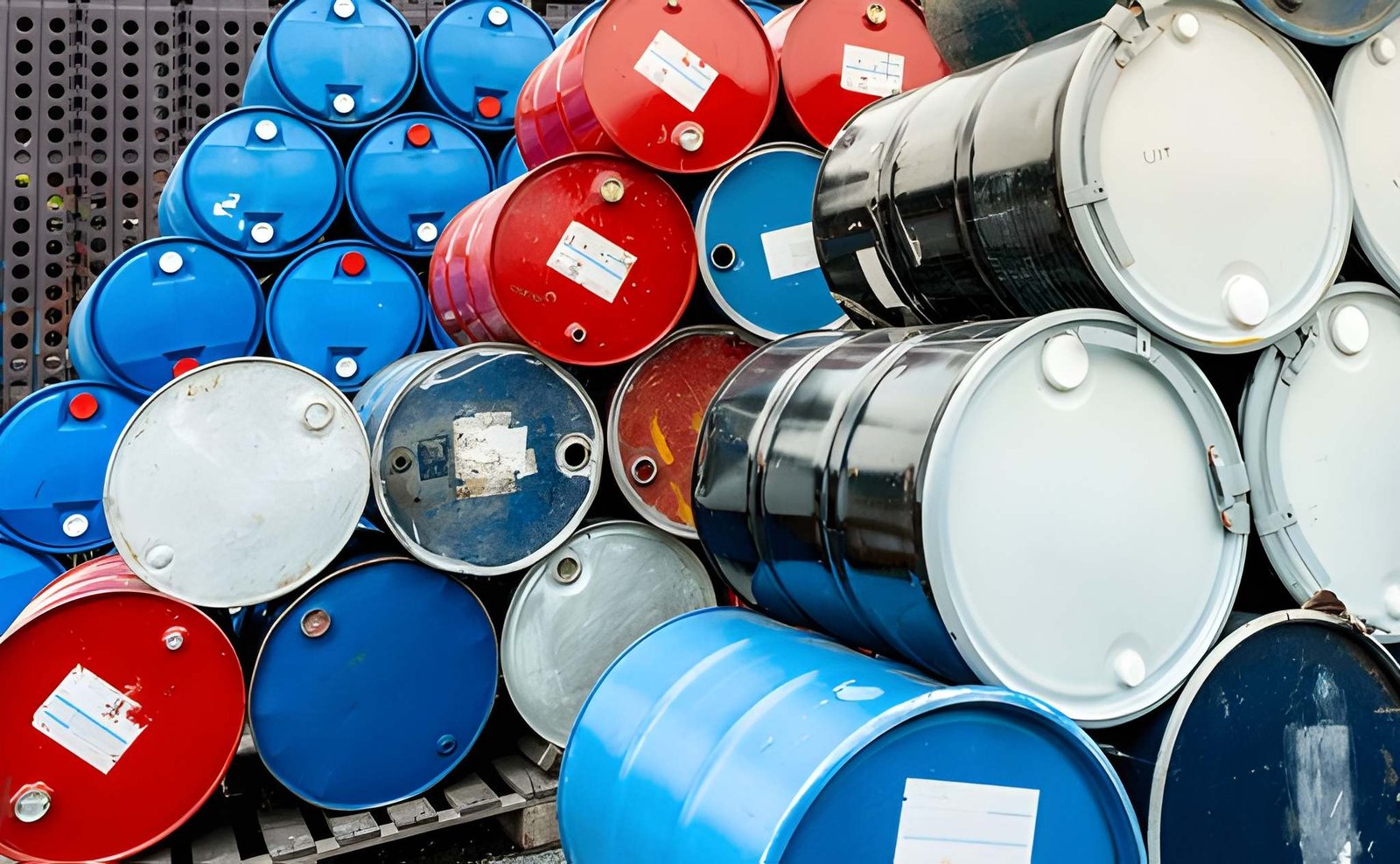
SBR stands for Styrene Butadiene Rubber, a liquid polymer additive used in cement and mortar mixtures to improve performance.
It is added during construction work to modify the properties of concrete and make it more reliable in demanding conditions.
Common uses of SBR include:
- SBR is widely used in concrete repair work where strong bonding between old and new surfaces is required to avoid separation and long-term structural failure.
- It is commonly applied in waterproofing systems for roofs, basements, bathrooms, and water retaining structures where moisture control is essential for durability.
- Flooring systems benefit from SBR because it improves surface strength and wear resistance, making it suitable for areas with heavy traffic and continuous load.
- Tile fixing applications use SBR-enhanced adhesives to ensure better grip, long-lasting stability, and reduced risk of tile loosening.
Why Traditional Concrete Faces Problems
Even though concrete is strong, it still has limitations when exposed to harsh conditions and long-term use.
Some common issues include:
- Cracks often develop due to temperature changes, shrinkage, or structural movement, which can weaken both appearance and strength.
- Water penetration can lead to internal damage, corrosion of reinforcement steel, and leakage problems in different types of structures.
- Weak bonding between repair layers and old concrete surfaces often results in early failure of patched areas.
- Continuous exposure to chemicals, moisture, and heavy loads reduces the lifespan of untreated concrete surfaces.
These challenges have increased the demand for improved construction materials that can offer long-lasting performance.
Key Benefits of Using SBR in Construction
Stronger Bonding Performance
SBR significantly improves the bonding between different layers of concrete and mortar.
This helps in repair and renovation work where new material must attach securely to old surfaces.
Key advantages include:
- Strong adhesion between repair layers reduces the risk of detachment, cracks, and early surface failure in repaired structures.
- Improved bonding strength helps maintain structural integrity in flooring, plastering, and waterproofing applications exposed to continuous stress.
- Better surface connection ensures long-lasting performance even under heavy load conditions and environmental pressure.
Improved Water Resistance
Moisture remains one of the most damaging factors affecting the lifespan and performance of concrete structures. SBR reduces water absorption and protects structures from moisture damage.
It is widely used in:
- Roofs and balconies where rainwater exposure is frequent and long-term protection is necessary.
- Basements and underground structures where moisture seepage can cause serious damage over time.
- Water tanks and reservoirs, where leakage prevention is critical for structural safety.
Enhanced Flexibility and Strength
SBR improves flexibility in cement mixtures, making them less brittle and more resistant to cracking.
This helps structures handle movement, vibration, and temperature changes more effectively.
Growing Demand for SBR in Pakistan
The construction sector is expanding rapidly, and builders are focusing more on quality and long-term durability. As a result, demand for SBR chemical in Pakistan has increased significantly across residential, commercial, and industrial projects.
Key reasons behind this growth include:
- Increasing construction activity in housing societies and urban infrastructure projects across major cities.
- Rising awareness about waterproofing solutions to prevent costly water damage in buildings.
- Greater demand for durable industrial flooring systems that can withstand heavy machinery and traffic.
- Shift toward modern construction practices that prioritize long-term performance over short-term savings.
Applications of SBR in Modern Construction
Concrete Repair Work
SBR is widely used in repair applications where strong bonding and durability are required.
It is suitable for:
- Repairing cracked walls and damaged structural elements in residential and commercial buildings.
- Restoring industrial floors that are exposed to heavy loads and continuous usage.
- Strengthening infrastructure projects such as bridges and highways.
Waterproofing Systems
SBR is highly effective in waterproofing applications where moisture protection is essential.
It helps create protective layers for roofs, bathrooms, and underground structures.
Tile Adhesives and Flooring
SBR improves the performance of tile adhesives and floor screeds by enhancing bonding strength and surface durability.
Common Mistakes to Avoid When Using SBR
Incorrect application can reduce the effectiveness of SBR in construction work.
Some common mistakes include:
- Applying SBR mixtures on dirty or dusty surfaces reduces bonding efficiency and long-term durability.
- Using improper mixing proportions can significantly reduce the final strength and performance quality of the cement-based mixture.
- Skipping proper curing procedures affects strength development and surface stability.
- Mixing with low-quality cement or aggregates compromises the overall structure’s performance.
FAQs
What is SBR used for in construction?
SBR is used to improve bonding strength, flexibility, water resistance, and durability in concrete and mortar applications.
Can SBR prevent cracks in concrete?
Yes, SBR improves flexibility and reduces shrinkage, which helps minimize crack formation.
Is SBR good for waterproofing?
Yes, SBR is widely used in waterproofing systems for roofs, basements, bathrooms, and water tanks.
Where is SBR commonly applied?
It is commonly used in concrete repair, flooring, tile fixing, plastering, and waterproofing applications.
Why is SBR in demand in Pakistan?
Due to rapid construction growth and increasing focus on durable buildings, SBR usage has increased significantly in Pakistan.
Conclusion
SBR has become a key material in modern construction because it significantly improves concrete performance in terms of strength, flexibility, bonding, and waterproofing. Its wide range of applications makes it essential for repair work, flooring, and protective coatings.
As construction standards continue to rise, builders increasingly depend on advanced chemical solutions like SBR to achieve long-lasting and reliable structures. With proper usage and quality materials, it helps ensure stronger buildings that can withstand environmental and structural challenges over time.