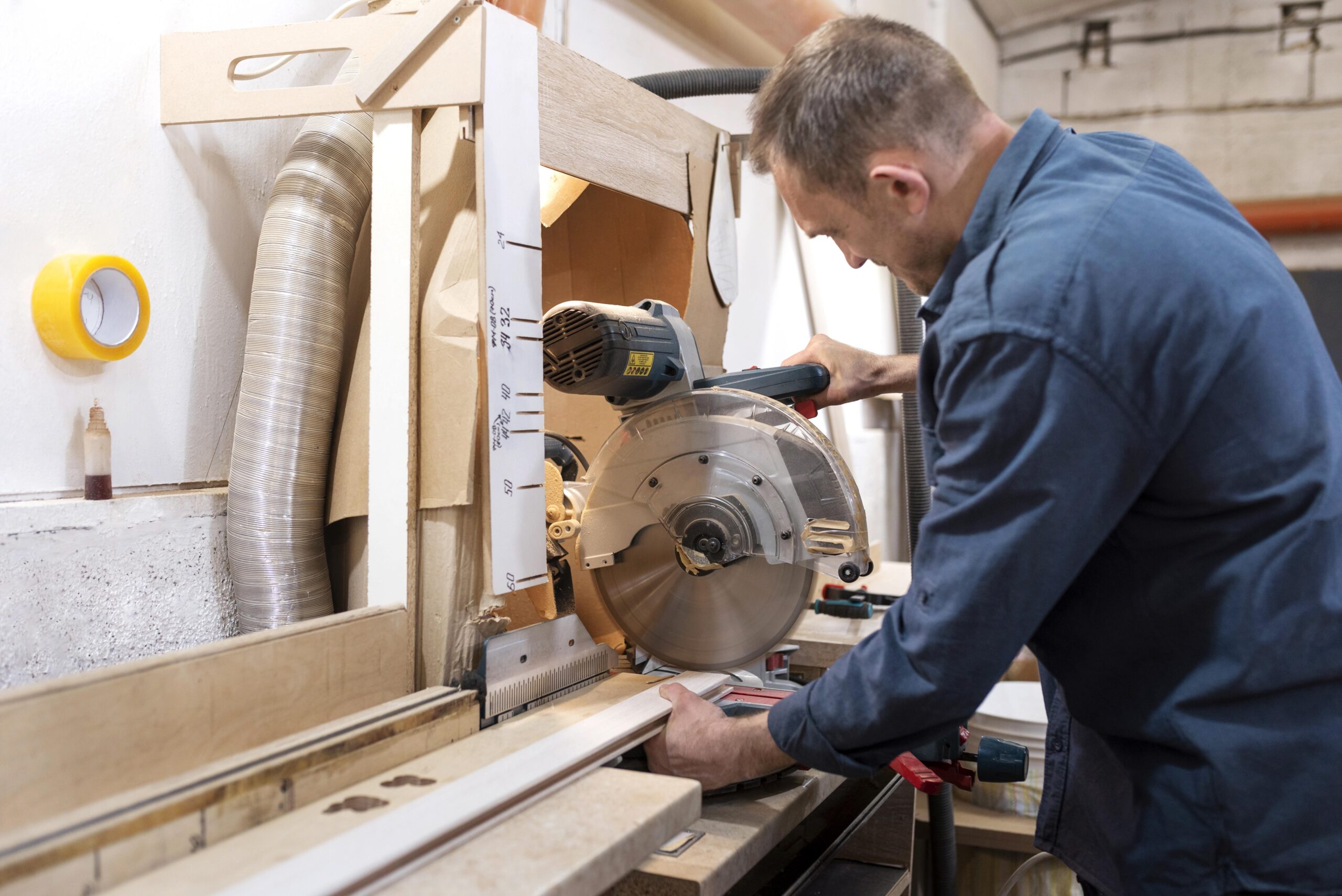
Setting up a woodworking workshop is an exciting journey, but it can also feel a bit daunting. With so many machines, brands, and price points to consider, making the right choices from the start can save you time, money, and frustration down the track. Whether you’re a complete beginner looking to turn a garage corner into a creative space, or a serious enthusiast ready to invest in professional-grade equipment, understanding your options is absolutely key.
In this guide, we’ll walk you through everything you need to know about choosing woodworking machines for your workshop. From essential starter tools to understanding what features matter most, we’ve got you covered. We’ll explore different machine types, discuss budget considerations, and help you decide whether combination machines or second-hand equipment might work for your situation. By the end, you’ll have the confidence to make informed decisions that suit your needs, space, and wallet.
What Woodworking Machines Do I Need to Start?
Essential Woodworking Machines for Beginners
Starting out doesn’t mean you need every machine under the sun. In fact, most beginners can accomplish a huge range of projects with just a few core tools. A quality table saw should be at the top of your list it’s genuinely the workhorse of any workshop. Pair this with a good drill press for accurate hole-making, and you’re off to a solid start.
A router table is another fantastic addition for beginners. It opens up possibilities for edge profiling, joinery, and decorative work that would otherwise require multiple specialised tools. Many woodworkers consider these three machines the foundation upon which everything else builds.
Building Your Workshop Step by Step
Rather than buying everything at once, consider building your workshop gradually. Start with the essentials, learn to use them properly, and then add woodworking machines as your skills and project demands grow. This approach not only spreads out the cost but also helps you understand exactly what you need. You’ll avoid buying equipment that ends up gathering dust in the corner.
Understanding Different Types of Woodworking Machines
Table Saws: The Heart of Any Workshop
The table saw truly earns its reputation as the centrepiece of woodworking. It handles ripping, crosscutting, and even some joinery tasks with ease. When shopping, look for a sturdy fence system accuracy here makes all the difference. Contractor saws suit most home workshops, while cabinet saws offer more power for serious work.
Bandsaws: Versatility and Precision
Bandsaws excel at curved cuts and resawing thick timber. They’re quieter than table saws and safer in many respects. For workshop flexibility, a 14-inch bandsaw hits the sweet spot between capability and space requirements. Plus, blade changes are straightforward, letting you switch between fine detail work and heavier cutting.
Planers and Thicknessers: Achieving Smooth Finishes
Nothing beats a thickness planer for transforming rough-sawn timber into smooth, consistent boards. These woodworking machines remove material evenly, giving you perfectly flat surfaces. If you’re working with recycled timber or buying rough stock (which is often cheaper), a planer becomes essential rather than optional.
Jointers: Creating Perfect Edges
While planers handle faces, jointers create those dead-straight edges you need for seamless glue-ups. The two machines work as a team jointer first for flat faces and edges, then planer for consistent thickness. Many combination machines combine both functions, which we’ll discuss shortly.
Router Tables and Drill Presses
Router tables transform handheld routers into precision stations for edge work, joinery, and decorative profiles. Meanwhile, drill presses deliver accuracy that handheld drills simply can’t match. Both are relatively affordable additions that dramatically expand your capabilities.
What Should I Look for When Buying Woodworking Equipment?
Motor Power and Performance
Motor power matters, but bigger isn’t always better. A 2HP motor handles most home workshop tasks brilliantly. Consider what you’ll actually be cutting hardwoods demand more power than softwoods. Also check whether machines run on single-phase power (standard household) or require three-phase connections.
Build Quality and Durability
Cast iron tables, solid steel frames, and quality bearings indicate woodworking machines built to last. Wobbly tables or flimsy fences are immediate red flags. Pick machines up if possible substantial weight generally suggests better construction. Check reviews specifically mentioning long-term durability.
Safety Features to Prioritise
Modern woodworking machines should include blade guards, riving knives, and anti-kickback pawls as standard. Some premium options feature flesh-detection technology that stops blades instantly upon contact. Never compromise on safety these features exist because woodworking machinery demands respect.
Dust Collection Compatibility
Effective dust collection protects your lungs and keeps your workshop clean. Check that machines have properly sized dust ports (100mm is common) and that these ports are positioned effectively. Some cheaper woodworking machines have poorly designed dust collection that captures barely half the debris produced.
Are Combination Woodworking Machines Worth It?
Pros and Cons of Multi-Function Machines
Combination woodworking machines pack multiple functions typically saw, planer, thicknesser, spindle moulder, and mortiser into one unit. The obvious advantage is space savings; you get five machines’ worth of capability in one footprint. They’re also often cheaper than buying everything separately.
However, switching between functions takes time and can interrupt workflow. Quality varies enormously, and repairs might mean your entire workshop stops rather than just one machine. You’ll also find limitations in each function compared to dedicated woodworking machines.
Best Scenarios for Combination Woodworking Machines
Combination machines shine in small workshops where space is genuinely limited. They’re also brilliant for woodworkers who don’t need constant access to every function. If you’re doing occasional furniture making rather than production work, a quality combination machine could be perfect.
.jpg)
New vs Second-Hand Woodworking Machines
What to Check When Buying Used Equipment
Second-hand woodworking machines offer excellent value, but inspect carefully before buying. Check tables for flatness using a straight edge. Examine bearings by spinning shafts any roughness or play suggests problems. Run machines if possible, listening for unusual sounds. Check fences and guides for wear.
Older industrial machines often outperform modern budget equipment. That heavy cast iron construction from decades past frequently beats today’s lightweight alternatives. Just factor in potential costs for new bearings, belts, or missing parts.
Where to Find Quality Pre-Owned Machines
Gumtree and Facebook Marketplace are obvious starting points. Woodworking forums often have classified sections where enthusiasts sell quality equipment. Workshop clearances and deceased estates occasionally yield bargains. Specialist dealers like Woodworking Machinery also stock refurbished equipment with warranties.
Top Woodworking Machine Brands to Consider
Australian woodworkers have access to excellent brands across all price points. Carbatec offers solid mid-range options with good local support. Jet and Laguna provide professional-quality woodworking machines. For premium German engineering, Felder and Hammer are hard to beat. Harvey and Grizzly represent strong value from Asia.
Consider parts availability and local service when choosing brands. The cheapest machine becomes expensive if replacement parts take months to arrive from overseas.
Workshop Space and Layout Considerations
Before buying anything, measure your space carefully. Remember that machines need clearance for timber a 2.4-metre sheet requires over 2.4 metres clear space on both infeed and outfeed sides. Draw your layout on paper first.
Consider workflow too. Position machines logically so timber flows naturally through your processes without constant shuffling. Place dust collection centrally for efficient ducting. And always leave room for growth your workshop will expand.
Making Your Final Decision
Choosing woodworking machines is genuinely exciting, and getting it right sets you up for years of enjoyable making. Start with the essentials a quality table saw, drill press, and router table will tackle most projects beautifully. Add woodworking machines as your skills develop and your needs become clearer.
Remember that buying quality pays dividends over time. Mid-range woodworking machines from reputable brands typically offer the best balance of performance, durability, and value for serious hobbyists. Don’t overlook second-hand options either older industrial equipment can deliver professional results at hobby prices.
Take your time with these decisions. Visit showrooms where possible, read reviews from real users, and chat with other woodworkers about their experiences. The perfect workshop develops gradually, and every new machine should feel like a worthwhile addition that expands what you can create. Happy woodworking!