Understanding the Growing Popularity of B1G IPTV
The streaming industry has changed dramatically over the past few years. Traditional cable subscriptions are declining while IPTV services continue gaining attention from viewers searching for affordable entertainment solutions. Among the many platforms available today, B1G IPTV has become one of the most talked about names in the IPTV market.
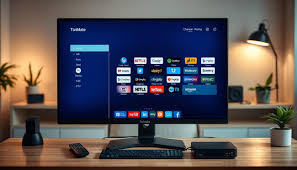
People are attracted to IPTV because it offers access to live television, movies, sports channels, documentaries, and international content through internet streaming instead of satellite or cable infrastructure. The convenience of streaming on smart TVs, smartphones, tablets, and streaming devices makes IPTV extremely appealing for modern households.
However, with rising popularity comes an important question: Is B1G IPTV legal and safe to use? Many users are unsure about the legal side of IPTV services and whether using them could expose them to risks. Understanding how IPTV works and where legality becomes complicated is essential before subscribing to any service.
What Is IPTV and How Does It Work?
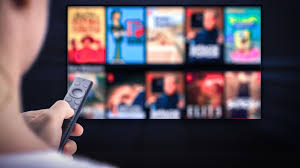
IPTV stands for Internet Protocol Television. Instead of broadcasting television through cable or satellite signals, IPTV delivers content over an internet connection. This allows users to stream live channels and on demand content from virtually anywhere.
Unlike traditional television systems, IPTV provides:
- Flexible viewing options
- Multi device compatibility
- High definition streaming
- Video on demand libraries
- International channel access
- Sports and entertainment packages
Services such as B1G IPTV usually provide subscription plans that promise thousands of channels at significantly lower prices compared to cable providers. This affordability is one reason IPTV services continue expanding worldwide.
Is B1G IPTV Legal?
The legality of IPTV services depends entirely on content licensing. IPTV technology itself is completely legal. Major companies around the world use IPTV systems for legitimate streaming services. The legal concern begins when a provider distributes copyrighted content without proper authorization.
If an IPTV provider streams licensed content legally obtained from broadcasters and content owners, the service operates within legal boundaries. However, if channels, sports broadcasts, movies, or premium content are distributed without permission, the service may violate copyright laws.
This is where users become cautious about B1G IPTV and similar platforms. Many IPTV providers advertise extremely large channel libraries and premium sports access at very low prices. Such offers often raise questions regarding licensing agreements and content distribution rights.
Different countries also apply different copyright laws. Some governments actively target unauthorized IPTV operations, while others have less aggressive enforcement. Users should always research local laws before subscribing to any IPTV service.
How IPTV Laws Differ Across Countries
One major reason confusion exists around IPTV legality is that regulations vary internationally. What may be tolerated in one region could result in strict penalties in another.
United Kingdom
Authorities in the UK have increased enforcement against unauthorized IPTV providers. Several IPTV operators have faced legal action, especially those distributing sports and premium entertainment illegally.
United States
The United States has strong copyright enforcement laws. Unauthorized redistribution of television content may lead to lawsuits, domain seizures, or criminal investigations.
Canada
Canada also monitors IPTV services closely, especially those offering copyrighted sports and premium movie channels without proper licenses.
European Countries
Many European nations cooperate with anti piracy organizations to block illegal IPTV platforms and prosecute operators.
Because IPTV laws continue evolving globally, users should remain informed before using services like B1G IPTV.
Is B1G IPTV Safe for Users?
Safety concerns are separate from legality. Even if users are mainly interested in entertainment access, security risks associated with IPTV services should not be ignored.
Potential Security Risks
Some IPTV providers may expose users to:
- Malware infected applications
- Unsecured payment systems
- Data tracking
- Identity theft risks
- Fake subscription scams
- Poor customer support
Unofficial IPTV applications sometimes require sideloading software outside official app stores. This increases the possibility of downloading compromised files or harmful applications.
Payment Safety Concerns
Certain IPTV services only accept cryptocurrency or unconventional payment methods. This can make refunds difficult and reduce buyer protection. Users should always evaluate whether payment systems appear secure and trustworthy.
Privacy Issues
Streaming through unverified IPTV providers could expose browsing habits or IP addresses. Some users rely on VPN services for additional privacy protection when using IPTV platforms.
Why Many Users Choose B1G IPTV
Despite legal debates, many viewers continue using IPTV services because of the advantages they offer. B1G IPTV attracts users for several reasons.
Affordable Pricing
Traditional cable subscriptions can become expensive. IPTV services usually provide lower monthly costs with broader channel access.
Massive Content Libraries
Many IPTV platforms advertise thousands of live channels alongside extensive video on demand collections.
Sports Streaming
Sports fans often seek IPTV services because they provide access to football, boxing, cricket, basketball, UFC, and international sports broadcasts.
Multi Device Support
Modern IPTV systems function across:
- Smart TVs
- Android devices
- Firestick
- Tablets
- Smartphones
- Computers
Global Entertainment Access
Users can watch channels from multiple countries without requiring separate satellite subscriptions.
These features explain why B1G IPTV continues gaining attention among streaming enthusiasts.
How to Identify a Legitimate IPTV Service
Choosing a safer IPTV provider requires careful research. Not every IPTV platform operates unlawfully, and several legitimate IPTV companies provide licensed streaming solutions.
Signs of a Legitimate IPTV Service
Look for services that:
- Clearly display licensing information
- Operate with professional websites
- Provide transparent company details
- Offer secure payment methods
- Have responsive customer support
- Maintain official applications in app stores
Warning Signs to Avoid
Be cautious if a provider:
- Promises every premium channel for unrealistically low prices
- Hides ownership information
- Requires suspicious payment methods
- Frequently changes website domains
- Offers no customer service
- Encourages piracy discussions
Users considering B1G IPTV should evaluate these factors carefully before making purchasing decisions.
Can Users Face Legal Consequences?
In some regions, enforcement focuses mainly on IPTV operators rather than individual viewers. However, users are not always completely protected from legal consequences.
Possible outcomes may include:
- Warning notices from internet providers
- Blocked access to IPTV domains
- Legal warnings
- Fines in severe cases
Enforcement policies differ significantly depending on local regulations. Users should understand their country’s copyright laws before accessing unauthorized streams.
The Difference Between Legal and Illegal IPTV
Understanding the distinction between legitimate and unauthorized IPTV services is important for consumers.
Legal IPTV Examples
Licensed IPTV providers include streaming companies that obtain broadcasting rights legally. These services pay content creators and broadcasters for distribution permissions.
Illegal IPTV Services
Unauthorized IPTV providers distribute copyrighted material without proper agreements. This may include:
- Premium sports networks
- Movie channels
- Pay per view events
- Subscription television packages
The legal concerns surrounding B1G IPTV largely depend on whether its content distribution follows official licensing standards.
Should You Use a VPN with IPTV?
Many IPTV users choose VPN services for privacy reasons. A VPN helps encrypt internet traffic and mask IP addresses while streaming.
Benefits may include:
- Improved privacy
- Reduced ISP tracking
- Enhanced online security
- Access to region restricted content
However, using a VPN does not automatically make illegal streaming legal. Users must still comply with copyright laws in their jurisdiction.
How IPTV Is Changing the Entertainment Industry
The rise of IPTV reflects changing viewer habits. Consumers increasingly prefer flexible streaming over expensive long term cable contracts.
IPTV has transformed entertainment through:
- On demand viewing
- Global channel access
- Lower subscription costs
- Personalized streaming experiences
- Multi screen viewing convenience
Platforms like B1G IPTV represent the growing demand for internet based entertainment solutions.
At the same time, media companies continue investing heavily in copyright enforcement and licensed streaming ecosystems. This ongoing conflict shapes the future of IPTV worldwide.
Important Factors Before Choosing B1G IPTV
Before subscribing to any IPTV service, users should consider several factors carefully.
Internet Speed Requirements
Stable internet is essential for smooth IPTV streaming. High definition and 4K channels require faster connections.
Customer Support Quality
Reliable support helps resolve buffering issues, login problems, and setup difficulties.
Compatibility
Users should confirm device compatibility before purchasing subscriptions.
Trial Availability
Short trial plans allow users to test streaming quality and service stability before long term commitments.
Content Reliability
Some IPTV services experience frequent outages or channel removals. Stability matters when choosing a provider.
The Future of IPTV Services
IPTV will likely continue growing as internet infrastructure improves globally. Faster broadband speeds and smart device adoption support the expansion of internet television.
Future IPTV developments may include:
- Enhanced 8K streaming
- Artificial intelligence recommendations
- Cloud DVR integration
- Interactive live broadcasts
- Advanced mobile streaming experiences
At the same time, governments and broadcasters will continue tightening copyright enforcement against unauthorized providers.
The future of B1G IPTV and similar services depends heavily on evolving regulations, licensing practices, and consumer demand.
Conclusion
IPTV technology itself is completely legitimate and continues reshaping modern entertainment. The legal concerns surrounding B1G IPTV depend entirely on whether the platform possesses proper content distribution rights. Users should carefully evaluate IPTV providers before subscribing, paying close attention to licensing transparency, security practices, and regional copyright laws.
Safety is another critical consideration. Unverified IPTV services can expose users to malware, privacy risks, insecure payments, and unreliable streaming performance. Conducting proper research helps reduce these risks significantly.
As streaming technology evolves, IPTV services will remain a major part of digital entertainment. Consumers who prioritize legal, secure, and reputable providers will enjoy the best long term viewing experience.
FAQs
1. Is B1G IPTV legal to use?
The legality of B1G IPTV depends on whether the service has official licenses for the content it distributes. IPTV technology itself is legal, but unauthorized copyrighted streams may violate laws.
2. Can IPTV users get in trouble legally?
In some countries, users may receive warnings or penalties for accessing unauthorized streams. Enforcement policies vary depending on regional copyright regulations.
3. Is B1G IPTV safe for payments?
Safety depends on the provider’s payment system and security practices. Users should always use trusted payment methods and research provider reputation carefully.
4. Why is IPTV cheaper than cable TV?
IPTV services operate through internet delivery systems, which often reduce infrastructure costs compared to traditional cable or satellite networks.
5. Should I use a VPN with IPTV?
Many users choose VPN services for added privacy and security while streaming. However, VPN usage does not change the legal status of unauthorized content access.
For more information: B1G IPTV Players