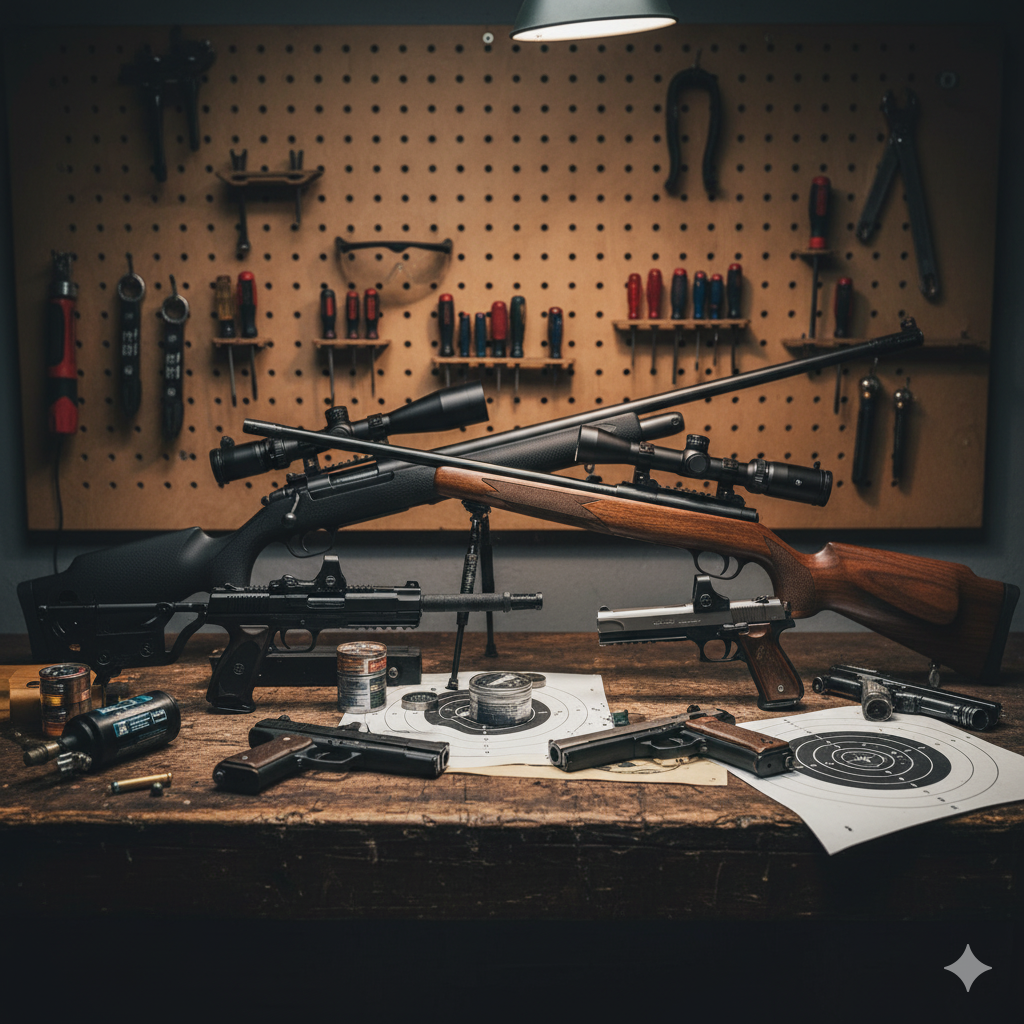
In the rapidly evolving landscape of recreational hobbies and tactical collectibles, 2026 has seen a fascinating intersection between high-tech “toy” sports and the cult-classic aesthetic of survivalist blades. Two items have dominated the conversation for enthusiasts: the gel blaster gun and the zombie knife. While they sit on opposite ends of the spectrum—one being a family-friendly recreational device and the other a specialized collector’s item—both represent a modern fascination with tactical design and pop-culture-inspired gear.
This guide explores the rise of “Gelsoft,” the unique engineering behind gel blasters, and the aesthetic history of the zombie knife, providing you with the insights needed to navigate these two popular niches safely and legally.
The Rise of Gel Blasters: The Future of Recreational Skirmish
For those who find paintball too messy and airsoft too painful, the gel blaster gun has emerged as the perfect middle ground. Often referred to as “Gelsoft,” this sport has exploded in popularity across the globe.
How They Work: The Science of “Orbeez” Tech
Gel blasters use super-absorbent polymer (SAP) beads, often called gel balls or water beads. These beads start as tiny, dry pellets. When soaked in water for several hours, they expand to roughly 7–8mm in diameter, becoming 95% water.
The blasters themselves are typically battery-operated (AEGs) or spring-powered. An internal motor drives a piston that compresses air, launching the water-filled bead at the target. Upon impact, the bead bursts, dissipating kinetic energy safely and leaving no stain or residue.
Why Enthusiasts are Switching to Gel
- Safety First: Because the projectiles are mostly water, the impact is significantly lower than that of a plastic airsoft BB. This makes it an ideal entry-level hobby for younger players and families.
- Eco-Friendly: The gel balls are biodegradable. They simply evaporate and break down in the environment, meaning no more picking up plastic BBs from your lawn.
- Tactical Realism: Despite their safety, high-end gel blasters are modeled after real-world platforms like the M4A1, AK-47, and Glock. They offer a realistic weight and feel that appeals to MilSim (Military Simulation) fans.
The Aesthetic of Survival: The Iconic Zombie Knife
While gel blasters represent the “play” side of tactical gear, the zombie knife represents the “collectible” and “survivalist” side. These blades are not your average kitchen knives; they are ornate, aggressive, and deeply rooted in the post-apocalyptic fiction that has captivated audiences for decades.
Defining the “Zombie” Blade
A zombie knife is characterized by its distinct, often “over-the-top” features. These typically include:
- Vivid Colors: Often featuring neon green, blood red, or biohazard-themed finishes.
- Aggressive Geometry: Multi-edged blades with serrated sections, gut hooks, and spiked pommels.
- Fixed-Blade Durability: Most serious collectors prefer fixed-blade models for their structural integrity and intimidating profile.
The Pop-Culture Connection
The surge in demand for these blades can be traced back to the “Zombie Apocalypse” craze of the 2010s. Shows like The Walking Dead and games like Resident Evil turned survival knives into icons of resilience. Collectors often view these items as “fantasy blades”—functional works of art that look as good in a display case as they would in a survival kit.
Navigating Legal and Safety Considerations in 2026
As of 2026, the laws surrounding these items have become more defined. It is the responsibility of every owner to understand their local regulations.
For Gel Blaster Owners:
In many regions, gel blasters are classified as toys. However, because they can look like real firearms, it is critical to never carry them in public. Use them only on private property or at designated “Gelsoft” fields. Many manufacturers now produce blasters in bright, “toy-like” colors to help avoid confusion with real weapons.
For Zombie Knife Collectors:
The legal landscape for “zombie-style” knives has tightened globally. In some countries, any blade over a certain length that features “aggressive” serrations or images of violence is strictly prohibited. If you are a collector, ensure your items are stored securely within your home and are never brandished or carried in public places. The appeal of a Z-Hunter or similar blade is in its design and craftsmanship; treat it with the respect any professional tool or collectible deserves.
Essential Gear: Maximizing Your Experience
To get the most out of these hobbies, you need the right accessories.
For the Blaster:
- Speed Loaders: Essential for fast-paced skirmishes.
- High-Voltage Batteries: Many blasters can be upgraded from a 7.4V to an 11.1V battery for a faster rate of fire.
- Eye Protection: This is non-negotiable. Even though gel balls are “soft,” they can cause eye injuries. Always wear impact-rated goggles.
For the Blade:
- Maintenance Kits: High-carbon steel blades need regular oiling to prevent rust.
- Display Stands: Since many zombie knives are purchased for their aesthetic, a proper magnetic display stand can turn a knife into a conversation piece.
Conclusion
Whether you are diving into the adrenaline-pumping world of gel blaster skirmishes or curating a collection of apocalyptic-themed blades, both hobbies offer a unique way to engage with tactical gear. The gel blaster gun provides a safe, social, and exhilarating way to enjoy combat simulations, while the zombie knife serves as a striking tribute to the “survivor” spirit found in modern mythology.
By prioritizing safety, following local laws, and investing in quality equipment, you can enjoy these hobbies to their fullest. Remember: the best gear is the gear that is used responsibly.
Frequently Asked Questions (FAQ)
1. Are gel blasters legal for kids to use?
Generally, yes, as they are considered toys in most jurisdictions. However, parental supervision is highly recommended for children under 12. Most “Gelsoft” fields have a minimum age requirement (usually 10 or 12) and strict rules regarding eye protection.
2. Do gel balls hurt when you get hit?
The sensation is often described as a “quick flick” or a minor sting, similar to a rubber band snap. It is significantly less painful than paintball or airsoft, and it rarely leaves a bruise if you are wearing appropriate clothing.
3. Can I use a zombie knife for actual camping or outdoor survival?
While many zombie knives are made of durable stainless steel or carbon steel, their designs are often optimized for aesthetics rather than practical wood-splitting or skinning. For serious bushcraft, a traditional survival knife might be more efficient, but a high-quality “zombie” blade can certainly handle basic tasks like cutting rope or clearing light brush.
4. How long do I need to soak the gel beads?
For optimal performance, gel beads should be soaked in clean water for at least 4 hours. If they are not fully hydrated (approx. 7–8mm), they may jam the blaster’s feeding mechanism or result in poor range.
5. Why are zombie knives banned in some countries?
Laws in regions like the UK and parts of Australia have banned certain “zombie-style” knives because their aggressive marketing and “menacing” features were perceived as glamorizing violence. In these areas, the law focuses on the physical characteristics (serrations, length, and text) rather than the actual use of the knife.
6. Can I upgrade my gel blaster to shoot faster?
Yes. Most gel blasters are “mod-friendly.” You can upgrade the internal springs, motors, and barrels to increase the FPS (feet per second) or the RPS (rounds per second). However, be careful not to exceed the safety limits of your local playing field.