Start with Purpose Before Design
Before selecting materials or layouts, it’s important to define how the backyard will function.
Common Backyard Uses
- Outdoor dining and cooking
- Relaxation and leisure seating
- Gardening or landscaping focus
- Play area for children or pets
- Multi-purpose entertainment space
Each purpose leads to a different design direction. A backyard meant for quiet relaxation will look very different from one designed for frequent gatherings.
A common mistake I’ve seen is trying to fit every possible feature into one space. That often leads to overcrowding and reduced usability.
Create Functional Outdoor Zones
Dividing a backyard into zones helps make the space feel organized and purposeful.
Simple Zoning Methods
- Patio for seating or dining
- Garden beds or green areas
- Pathways connecting different sections
- Defined entertainment spaces
Even in smaller yards, subtle zoning can improve flow and usability.
An insider tip: use changes in materials—like switching from stone to grass or wood decking—to define zones without adding physical barriers.
Patio Spaces That Anchor the Design
The patio is often the central element of a backyard renovation.
Popular Patio Options
- Concrete or paver patios
- Natural stone layouts
- Stamped concrete designs
- Wooden decks
The choice depends on both aesthetics and long-term maintenance preferences.
A practical observation: patios that are slightly oversized tend to function better over time. Tight layouts may feel sufficient initially but often become restrictive when furniture is added.
Outdoor Kitchens and Dining Areas
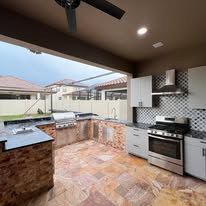
Outdoor cooking spaces have become increasingly popular, but they don’t need to be overly complex.
Key Features to Consider
- Built-in grill stations
- Counter space for prep work
- Weather-resistant storage
- Simple sink installations
As explained in this guide on general contractor plant city fl, planning utility connections early in the renovation process helps avoid costly adjustments later.
Even a compact cooking area can significantly improve the functionality of a backyard.
Comfortable Seating Makes a Big Difference
Seating often determines how frequently a backyard is actually used.
What to Focus On
- Weather-resistant materials
- Flexible seating arrangements
- Adequate shade or cover
- Comfortable proportions
I’ve seen beautifully designed backyards go underused simply because the seating wasn’t comfortable enough for long periods.
An insider tip: modular outdoor furniture allows you to rearrange seating based on occasion, which adds flexibility without requiring additional space.
Lighting Extends Usability
Outdoor lighting transforms a backyard from a daytime-only space into a functional evening environment.
Effective Lighting Ideas
- String lighting for ambient warmth
- Pathway lighting for safety
- Wall-mounted fixtures near seating areas
- Soft landscape uplighting
Layered lighting works best because it allows different moods depending on the occasion.
A common issue I’ve noticed is overly bright lighting, which can make outdoor spaces feel harsh rather than inviting.
Landscaping for Structure and Softness
Landscaping plays a major role in how a backyard feels overall.
Elements to Include
- Trees for shade and structure
- Shrubs for privacy
- Flower beds for color and texture
- Grass or ground cover for open space
The balance between greenery and hard surfaces is what creates a cohesive outdoor environment.
A personal observation: homeowners sometimes overfill their yards with plants too quickly. Allowing space for growth and movement usually results in a more balanced design.
Fire Features for Year-Round Use
Fire elements continue to be a popular addition in backyard renovations.
Options to Consider
- Fire pits for casual gatherings
- Outdoor fireplaces for structure
- Portable fire bowls for flexibility
Fire features naturally extend the usability of a backyard into cooler months.
However, placement is important. Fire elements should always be positioned with enough clearance from seating and vegetation.
Water Features for Atmosphere
Water elements introduce movement and sound into outdoor spaces.
Common Choices
- Small fountains
- Reflecting pools
- Natural pond designs
Even subtle water features can create a calming atmosphere without overwhelming the space.
An insider tip: positioning water features near seating areas enhances their sensory effect without requiring large installations.
Shade and Shelter Solutions
Comfort in outdoor spaces often depends on protection from sun and weather.
Popular Shade Options
- Pergolas with climbing plants
- Retractable awnings
- Covered patios or extensions
- Shade sails
The right shade structure can completely change how often a backyard is used.
I’ve seen patios become significantly more functional simply by adding partial shade coverage.
Storage and Practical Considerations
Outdoor spaces often require hidden storage for tools, cushions, and equipment.
Smart Storage Ideas
- Built-in benches with storage compartments
- Weatherproof storage boxes
- Integrated cabinetry in outdoor kitchens
These solutions help maintain a clean and organized space without clutter.
A practical observation: lack of storage is one of the most overlooked issues in backyard planning, and it often becomes noticeable only after the space is completed.
Creating Privacy Without Isolation
Privacy is important in backyard design, but it should not make the space feel enclosed.
Privacy Solutions
- Decorative fencing
- Tall hedges or greenery walls
- Lattice screens with plants
- Strategic placement of structures
The goal is to create comfort without blocking openness or airflow.
Real-Life Example
In one backyard renovation project, the original space had potential but felt underused due to poor layout and lack of defined areas. The homeowners wanted a mix of dining, relaxation, and garden space, but everything was spread without structure.
We introduced simple zoning: a defined patio for dining, a shaded seating area under a pergola, and a landscaped border with walking paths. No major expansion was needed.
The transformation wasn’t about adding more elements—it was about organizing what already existed more effectively. The backyard became a space that felt intentional and easy to use.
Avoiding Common Backyard Design Mistakes
Backyard renovations often face similar challenges when planning is rushed or overly ambitious.
Frequent Issues
- Overcrowding the space with features
- Ignoring maintenance requirements
- Poor lighting planning
- Lack of clear purpose or layout
The most successful backyards tend to prioritize usability over complexity.
Final Thoughts
A well-designed backyard is about balance between function, comfort, and visual appeal. Whether it’s a simple seating area or a fully developed outdoor living space, the key is thoughtful planning.
Focus on how the space will be used daily, not just how it looks after completion. With proper zoning, durable materials, comfortable seating, and layered lighting, even modest backyards can become highly functional extensions of the home.
Also read for more information so click here.