Window air conditioning units provide comfort during warmer months, yet they can unintentionally attract insects seeking shelter and warmth. Homeowners are often surprised when they notice buzzing activity near vents, panels, or gaps surrounding their cooling systems. Understanding the reasons behind this behavior is essential for anyone hoping to prevent bees from creating nests around these spaces and entering indoor environments.
Bees are naturally drawn toward locations that offer protection from weather conditions and predators. Window AC units contain small crevices, warm surfaces, and hidden cavities that may appear ideal for temporary shelter or nesting opportunities. During spring and summer, these conditions become especially appealing as colonies search for secure environments where activity can continue uninterrupted.
Another factor influencing bee activity near cooling systems involves airflow and moisture. Condensation created by air conditioners may attract insects seeking water sources during hot weather. Additionally, the vibration and warmth generated by running units sometimes mimic conditions found in natural nesting locations. These environmental similarities encourage exploratory behavior among bees searching for suitable habitats.
Identifying Vulnerable Areas Around Your Cooling System
Careful inspection of window AC units is one of the most effective ways to prevent bees from accessing indoor spaces. Many units contain narrow openings around their edges, particularly where the appliance meets the window frame. Even the smallest gaps may provide enough room for insects to enter, explore, or establish nesting activity.
Over time, weather exposure can weaken seals and insulation materials surrounding the unit. Foam panels may deteriorate, adhesive strips may loosen, and tiny cracks may form along wooden or metal surfaces. These gradual changes often go unnoticed until buzzing activity becomes visible. Conducting seasonal inspections helps homeowners detect potential entry points before they become more serious concerns.
External vents and drainage openings should also be examined carefully. While these components are necessary for proper airflow and moisture release, they can sometimes allow insects to enter hidden sections of the appliance. Protective mesh coverings and secure vent designs can help reduce accessibility without interfering with the system’s performance.
Window frames themselves may contribute to the problem when structural wear creates openings near the installation area. Damaged caulking, warped materials, or loose siding around the unit increase the likelihood of insect activity. Addressing these weaknesses promptly is an important part of any strategy designed to prevent bees from gathering near the home.
Observation is equally valuable during inspection routines. Increased buzzing, frequent insect movement near specific corners, or visible clustering around vents often signals that bees are exploring the area. Identifying these warning signs early allows homeowners to respond proactively before nesting behavior becomes established.
Effective Maintenance Practices to Prevent Bees
Consistent maintenance remains one of the most reliable methods to prevent bees from entering through window AC units. Keeping the surrounding area clean and structurally secure reduces the chances of attracting insects seeking shelter. Homeowners who incorporate regular inspections into seasonal routines are more likely to identify potential issues before they escalate.
Replacing damaged insulation materials around the unit significantly improves protection against unwanted entry. Foam sealing strips and weather-resistant caulking create barriers that block small gaps without affecting airflow or energy efficiency. These materials should be checked periodically because exposure to sunlight and moisture may weaken their effectiveness over time.
Cleaning the exterior of the AC unit also contributes to prevention efforts. Dust accumulation, moisture buildup, and organic debris can create conditions that attract insects. Removing leaves, dirt, and standing water near the unit discourages bee activity while supporting overall appliance performance. Proper drainage is particularly important because excess moisture often attracts various pests during warmer months.
Landscape management around windows further supports efforts to prevent bees from approaching cooling systems. Flowering plants positioned directly beneath windows may unintentionally encourage pollinator activity near the home. Relocating highly attractive vegetation slightly farther from the structure creates distance between natural food sources and potential nesting areas.
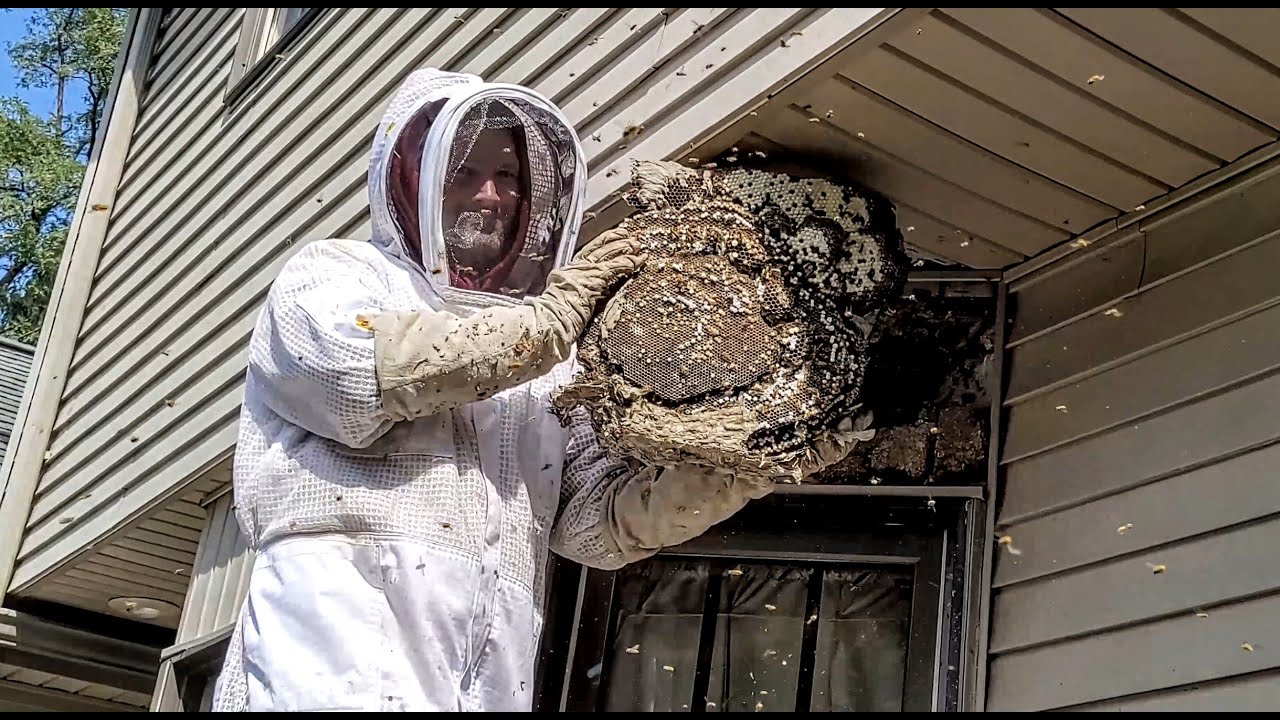
In situations where bee activity persists despite preventive measures, professional guidance may become necessary. Consulting a bee removal service in Burbank, LA can help homeowners understand safe relocation practices and identify structural vulnerabilities contributing to recurring problems. Combining expert support with ongoing maintenance creates a more effective long-term strategy for protecting both residential spaces and beneficial pollinators.
Humane Solutions and Environmental Responsibility
Preventing bee activity around air conditioning units should always involve environmentally conscious practices that respect the ecological importance of pollinators. Bees contribute significantly to plant reproduction and ecosystem balance, making humane prevention methods essential for responsible home maintenance. Rather than relying on harmful chemicals or destructive techniques, homeowners can adopt solutions that safely redirect bee activity away from living spaces.
One effective approach involves using physical barriers rather than toxic deterrents. Fine mesh coverings placed over vents and small openings prevent access while allowing ventilation to function properly. These barriers create a protective layer without harming insects or disrupting the cooling system’s efficiency.
Natural deterrents may also help discourage bee exploration near windows and AC units. Certain scents and environmental conditions are less appealing to pollinators, reducing the likelihood of repeated visits. However, these methods should complement structural maintenance rather than replace it entirely, as physical gaps remain the primary cause of entry.
Education is another important aspect of humane prevention. Many homeowners react with fear when they encounter bees near their homes, leading to impulsive decisions that may damage local ecosystems. Understanding bee behavior encourages calmer responses and promotes solutions that prioritize safety without unnecessary harm.
Professional relocation services provide an environmentally responsible alternative when nests have already formed. Trained specialists can remove colonies carefully and transfer them to more suitable locations where they can continue supporting pollination activities. This balanced approach reflects growing awareness of the importance of preserving biodiversity while maintaining secure residential environments.
Long-Term Strategies for a Bee-Free and Comfortable Home
Creating a long-term plan to prevent bees from entering through window AC units requires consistency, awareness, and thoughtful property maintenance. Temporary fixes may reduce activity briefly, but sustainable protection depends on ongoing care and proactive inspections. Homeowners who prioritize prevention are more likely to avoid future infestations and costly structural repairs.
Seasonal preparation is one of the most important long-term strategies. Before warmer weather begins, inspecting the air conditioning unit and surrounding window structure helps identify weaknesses that may attract insects later in the season. Replacing worn seals, tightening loose components, and cleaning vents establish a strong foundation for prevention.
Indoor monitoring also contributes to early detection. Unexpected buzzing sounds near windows, visible insects around vents, or unexplained movement near curtains may indicate developing activity inside hidden spaces. Addressing these warning signs promptly reduces the likelihood of larger nesting problems.
Improving overall home maintenance further strengthens prevention efforts. Structural repairs, moisture management, and regular exterior cleaning create an environment that is less attractive to pollinators seeking shelter. These practices not only help prevent bees but also support broader pest control and property preservation goals.