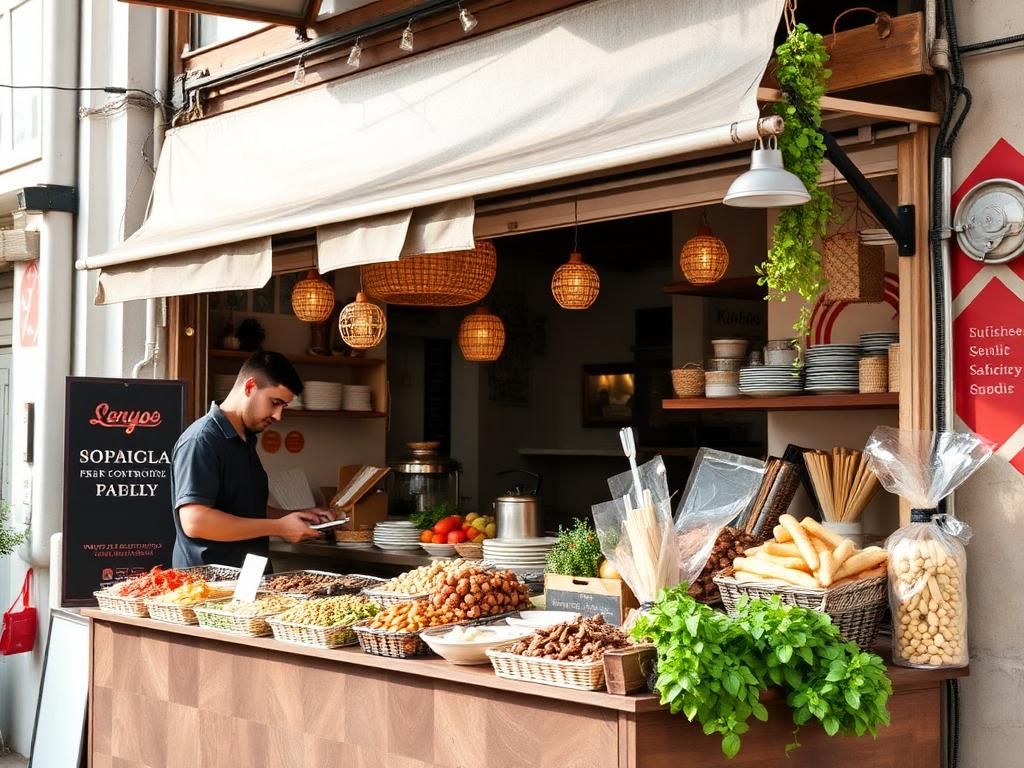
Starting a small food business in the UK can be an exciting and profitable opportunity. The food industry continues to grow as customers increasingly look for convenient meals, unique flavours, healthier options, and local food brands. With the rise of online ordering, takeaway services, and social media marketing, it has become easier than ever for entrepreneurs to launch food businesses from home or small commercial spaces.
The best food business to start often depends on your budget, cooking skills, local demand, and long-term goals. Some food businesses require low startup costs, while others offer higher profit margins and stronger growth potential.
This guide explains the best small food business ideas, the easiest foods to sell, legal requirements in the UK, and the food products currently in high demand.
Why small food businesses are growing in the UK
Consumer behaviour has changed significantly in recent years.
Many customers now prefer:
- Independent food brands
- Home-based food businesses
- Online takeaway services
- Fresh and locally made products
Social media platforms and food delivery apps have also helped small food businesses reach larger audiences without needing expensive restaurant locations.
What’s the easiest food to sell?
Some food products are easier to sell because they require simple preparation, low startup costs, and strong customer demand.
1. Pizza
Pizza remains one of the easiest and most profitable takeaway foods because:
- Ingredients are affordable
- Menus are easy to customise
- Customers order repeatedly
Pizza businesses also work well for delivery services and home kitchens.
2. Burgers and fast food
Fast food businesses are popular because customers want quick and affordable meals.
Popular options include:
- Burgers
- Fries
- Fried chicken
- Loaded snacks
3. Baked goods
Home bakeries are increasingly common in the UK.
Popular products include:
- Cupcakes
- Brownies
- Cookies
- Celebration cakes
Baked goods often have strong profit margins and repeat customer demand.
4. Sandwiches and meal boxes
Grab-and-go food businesses are popular in busy urban areas.
Healthy lunch options are especially attractive to office workers and students.
5. Street food
Street food businesses require smaller premises and can operate at:
- Markets
- Festivals
- Food truck events
This makes them more affordable for startups.
Which food business is highly profitable?
Profitability depends on:
- Food costs
- Labour expenses
- Customer demand
- Operational efficiency
However, certain food businesses generally achieve higher profit margins.
Highly profitable food business ideas:
Pizza delivery businesses
Pizza often delivers strong profits because ingredient costs are relatively low compared to selling prices.
Many businesses increase brand visibility with branded pizza boxes, which also improve customer experience and marketing.
Coffee shops
Coffee has very high markup potential and generates repeat customer traffic.
Meal prep services
Health-focused meal prep businesses are growing rapidly due to fitness and convenience trends.
Dessert businesses
Desserts such as waffles, doughnuts, and milkshakes remain highly profitable because of social media popularity.
Food trucks
Food trucks have lower overhead costs than traditional restaurants while still reaching large audiences.
Do I need a licence to sell food in the UK?
Yes, food businesses in the UK must follow legal and hygiene regulations.
Key requirements include:
Registering your food business
You must register with your local council at least 28 days before starting operations.
Food hygiene standards
Your kitchen or preparation area must meet food safety regulations.
You may need:
- Food hygiene training
- Proper storage systems
- Safe food handling procedures
Insurance
Food businesses often require:
- Public liability insurance
- Product liability insurance
- Employer liability insurance if hiring staff
Labelling requirements
Packaged food products may require:
- Ingredient lists
- Allergen information
- Expiry dates
Following regulations builds customer trust and protects your business legally.
Which food is high in demand?
Certain food categories consistently perform well in the UK market.
1. Pizza and takeaway foods
Pizza remains one of the UK’s favourite takeaway meals because it is convenient and easy to share.
Many restaurants reduce costs by purchasing pizza boxes wholesale for consistent delivery packaging.
2. Healthy foods
Customers increasingly look for:
- Low-calorie meals
- Vegan foods
- Protein-based snacks
- Organic ingredients
Health-conscious consumers continue driving growth in this sector.
3. International cuisine
Foods inspired by:
- Asian cuisine
- Mexican food
- Middle Eastern dishes
- Mediterranean meals
are becoming increasingly popular across the UK.
4. Convenience meals
Busy lifestyles increase demand for:
- Ready-to-eat meals
- Meal kits
- Grab-and-go lunches
5. Sweet treats and desserts
Desserts remain highly popular, especially through:
- Delivery apps
- Instagram marketing
- Trend-based products
How to choose the right food business
Before starting a food business, consider:
Your skills and interests
Choose products you enjoy making and understand well.
Local competition
Research:
- Existing businesses
- Customer demand
- Market gaps
Startup costs
Some businesses require:
- Commercial kitchens
- Expensive equipment
- Delivery vehicles
Others can begin from home with minimal investment.
Scalability
Consider whether your business can grow through:
- Additional locations
- Online sales
- Delivery partnerships
Importance of branding and packaging
Branding plays a major role in food business success.
Strong branding helps:
- Build recognition
- Improve customer trust
- Increase repeat sales
Packaging is equally important because it affects:
- Food presentation
- Delivery protection
- Customer experience
Professional packaging can make small food businesses appear more established and premium.
How to market a small food business
1. Use social media
Instagram and TikTok are ideal for showcasing food products visually.
2. Join food delivery platforms
Apps such as:
- Uber Eats
- Deliveroo
- Just Eat
can help new businesses reach more customers quickly.
3. Offer promotions
Discounts and meal deals encourage first-time orders.
4. Encourage customer reviews
Positive reviews improve online visibility and credibility.
Final thoughts
The best small food business to start in the UK depends on your goals, budget, and local market demand. However, takeaway food businesses, pizza delivery, bakeries, and healthy meal services continue performing strongly.
To succeed in the food industry:
- Understand customer demand
- Follow UK food regulations
- Focus on branding and packaging
- Provide excellent food quality and service
- Use digital marketing effectively
With careful planning and consistent quality, a small food business can grow into a profitable long-term venture in the competitive UK food market.