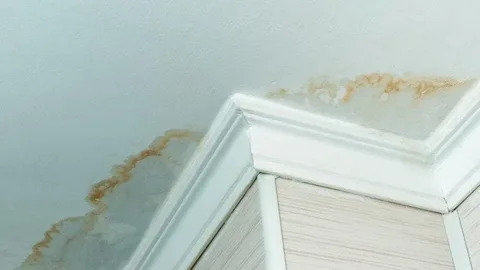
Your ceiling does more than cover the rooms in your home. It helps protect your family, furniture, and belongings from outside elements. A strong ceiling keeps your home safe, comfortable, and dry. But when problems start, your ceiling may show signs that something is wrong. Ignoring these signs can lead to bigger repairs, higher costs, and even safety risks.
Many homeowners do not notice ceiling problems until they become serious. A small stain, crack, or soft spot may look harmless at first, but it can point to hidden issues like leaks, water damage, or structural problems. If you notice any unusual changes, it is important to take action early. Professional ceiling repair water damage in June Lauren, VA can help identify the cause and prevent further damage before the problem gets worse.
Why Ceiling Problems Should Never Be Ignored
A damaged ceiling is often a warning sign of a bigger issue inside your home. Water can travel through small gaps and damage areas that are not visible. Over time, moisture can weaken ceiling materials, damage insulation, and create an environment where mold can grow.
After the first signs of damage appear, quick action is important. Professional water damage repair service can help locate the source of the problem, remove damaged materials, and restore your home safely.
Many ceiling issues are not caused by the ceiling itself. A leaking roof, broken pipe, plumbing issue, or poor ventilation can all create ceiling damage. Finding the real cause is the first step toward a lasting repair.
Warning Signs Your Ceiling Needs Immediate Attention
1. Water Stains or Dark Spots on the Ceiling
One of the most common signs of ceiling damage is water staining. These stains often appear as yellow, brown, or dark patches on the ceiling surface. They may start small but can grow over time.
Water stains usually mean moisture is entering your home from somewhere above the ceiling. Possible causes include:
- Roof leaks
- Plumbing problems
- Damaged pipes
- Poor drainage
- Bathroom leaks
Even if the stain looks dry, the problem may still exist behind the surface. Hidden moisture can continue damaging the ceiling materials and nearby areas.
Why Water Stains Need Attention
A water stain is not just a cosmetic problem. It may mean water has already entered your ceiling structure. Waiting too long can lead to:
- Weak ceiling materials
- Mold growth
- Peeling paint
- Bad odors
- More expensive repairs
A professional inspection can help determine where the water is coming from and what repair steps are needed.
2. Ceiling Cracks That Are Growing
Small cracks can sometimes happen because of normal home settling. However, large or growing cracks should never be ignored.
Pay attention to cracks that:
- Become longer over time
- Get wider
- Appear near ceiling edges
- Have uneven surfaces
- Come with sagging areas
Large cracks may indicate movement in the structure or damage caused by moisture.
Different Types of Ceiling Cracks
Small Hairline Cracks
Small cracks may not always be serious. They can happen due to temperature changes or normal settling. Still, they should be watched for changes.
Large Ceiling Cracks
Large cracks may point to a deeper issue. They can happen because of water damage, weak materials, or structural movement.
If you notice a crack changing quickly, it is best to have it checked by an experienced professional.
3. A Sagging Ceiling
A sagging ceiling is one of the most serious warning signs. It often means the ceiling materials have become weak due to moisture or damage.
A ceiling may sag because of:
- Long-term water exposure
- Heavy moisture buildup
- Damaged support materials
- Poor installation
A sagging area can become dangerous because the ceiling may eventually collapse.
What To Do If Your Ceiling Is Sagging
Do not press on the damaged area or try to fix it yourself. Avoid placing furniture directly under the damaged section. Contact a professional to inspect the area and determine the safest repair method.
Quick action can prevent injuries and reduce repair costs.
4. Peeling Paint or Bubbling Surfaces
Paint that starts peeling, bubbling, or separating from the ceiling is often a sign of moisture problems.
When water gets behind paint layers, it can cause the surface to lose its bond. You may notice:
- Blisters in the paint
- Flaking areas
- Soft spots
- Discoloration
Painting over the damaged area will not solve the real problem. The moisture source must be repaired first.
Why Covering Ceiling Damage Does Not Work
Some homeowners try to hide ceiling problems with new paint. However, this only covers the visible damage. If water is still entering the area, the problem will return.
A proper repair includes:
- Finding the source of moisture
- Removing damaged materials
- Drying the affected area
- Repairing the ceiling surface
- Restoring the finish
5. Mold Growth on Your Ceiling
Mold is another serious sign that your ceiling has moisture problems. It often appears as black, green, or gray spots.
Mold can grow when moisture remains trapped for too long. A leaking ceiling creates the perfect environment for mold development.
Signs of Ceiling Mold
Look for:
- Dark spots
- Musty smells
- Increased allergy symptoms
- Visible growth around stains
Mold should be handled carefully because disturbing it without proper safety steps can spread spores throughout your home.
Preventing Mold Problems
The best way to prevent mold is to control moisture. Fix leaks quickly, improve ventilation, and repair damaged areas before they become worse.
6. Ceiling Materials Feel Soft or Weak
A healthy ceiling should feel firm and stable. If you notice soft areas, it may mean the material has absorbed water.
Soft ceiling areas can happen when:
- Water sits behind drywall
- Insulation becomes wet
- Materials lose their strength
A weak ceiling can become unsafe if the damage continues.
Signs of Weak Ceiling Materials
Check for:
- Soft spots when touched lightly
- Loose sections
- Changes in texture
- Areas that look uneven
These signs require professional attention to prevent further damage.
7. Unusual Ceiling Sounds
Sometimes ceilings can warn you through sounds. Strange noises may indicate movement or moisture problems.
You may hear:
- Dripping sounds
- Cracking noises
- Popping sounds
- Creaking sounds
A dripping sound is especially concerning because it may mean active water leakage.
What These Sounds Could Mean
Ceiling noises may come from:
- Leaking pipes
- Expanding materials
- Damaged support areas
- Water buildup
If the sound continues, it is better to investigate early instead of waiting for visible damage.
Common Causes of Ceiling Damage
Understanding the causes of ceiling damage can help homeowners prevent future problems.
Roof Leaks
A damaged roof can allow rainwater to enter your home. Over time, this water can travel into ceilings and walls.
Common roof problems include:
- Missing shingles
- Damaged flashing
- Cracked roofing materials
- Poor drainage
Regular roof inspections can help prevent ceiling damage.
Plumbing Problems
Leaking pipes are another common cause of ceiling issues. A small pipe leak can slowly damage drywall and other materials.
Plumbing leaks often happen near:
- Bathrooms
- Kitchens
- Laundry rooms
- Upper floors
Fixing plumbing problems quickly can protect your ceiling and home structure.
Poor Ventilation
High moisture levels can also damage ceilings. Bathrooms and kitchens produce steam that needs proper airflow.
Without good ventilation, moisture can collect and create problems like:
- Mold
- Paint damage
- Ceiling stains
When Should You Call a Professional?
Not every ceiling problem requires emergency repair, but some signs should never be ignored.
Call a professional if you notice:
- Large water stains
- Active leaks
- Ceiling sagging
- Large cracks
- Mold growth
- Falling ceiling pieces
- Strong musty odors
Experts have the right tools to identify hidden damage and provide safe solutions.
How Professionals Handle Ceiling Damage
A professional ceiling inspection usually starts with finding the source of the problem. Repairing the visible damage without fixing the cause can lead to repeated issues.
The repair process may include:
Inspection
Professionals check the ceiling, surrounding areas, and possible moisture sources.
Damage Removal
Damaged materials may need to be removed to prevent further problems.
Drying and Cleaning
The affected area must be completely dried before repairs begin.
Repair and Restoration
The final step includes repairing the ceiling and restoring its appearance.
Tips to Protect Your Ceiling From Future Damage
Regular maintenance can help prevent expensive repairs.
Follow these simple tips:
- Check your roof regularly
- Fix leaks quickly
- Keep gutters clean
- Improve bathroom ventilation
- Watch for ceiling stains
- Schedule home inspections
Small actions can protect your home from major damage.
Final Thoughts
Your ceiling often gives early warnings before a serious problem develops. Water stains, cracks, sagging areas, mold, and peeling paint should never be ignored. These signs usually mean there is a hidden issue that needs attention.
Taking quick action can protect your home, reduce repair costs, and prevent safety risks. If you notice any warning signs, professional inspection and repair can help restore your ceiling and keep your home safe.
Frequently Asked Questions (FAQs)
1. How do I know if my ceiling has water damage?
Common signs include water stains, discoloration, peeling paint, soft spots, mold growth, and musty smells. Even small signs should be checked because hidden moisture can cause bigger problems.
2. Can a small ceiling crack become a serious problem?
Yes. Small cracks may be harmless, but cracks that grow, widen, or appear with water stains can indicate a larger issue that needs professional attention.
3. Is a sagging ceiling dangerous?
Yes. A sagging ceiling may mean the materials have become weak due to moisture or structural damage. It should be inspected quickly to prevent possible collapse.
4. Can I repair ceiling water damage myself?
Small cosmetic repairs may be possible, but water damage usually requires finding and fixing the source first. Professional help is recommended for larger problems.
5. How can I prevent future ceiling damage?
Regular inspections, quick leak repairs, proper ventilation, and roof maintenance can help prevent many ceiling problems and protect your home long-term.