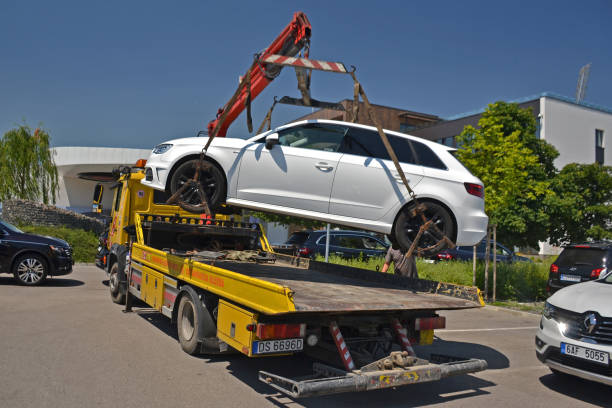
Many people keep an old vehicle sitting in the driveway, garage, or backyard for months or even years. Some cars no longer run, while others cost more to repair than they are worth. In these situations, finding a practical way to remove the vehicle becomes important.
If you are looking into cash for cars Ipswich, it helps to understand how the process works and what you can expect. Whether your vehicle is damaged, unwanted, old, or no longer roadworthy, there are options available that can help clear space and put money back in your pocket.
If you want to learn more about vehicle removal services and how they operate, you can explore additional information at https://www.cashforunwantedcars.com.au/
Understanding Cash for Cars Services
Cash for cars services are designed for people who want to sell vehicles that may be difficult to sell privately. These vehicles can include:
- Old cars
- Accident-damaged cars
- Unregistered vehicles
- Flood-damaged vehicles
- Cars with mechanical issues
- Vehicles that no longer run
- Scrap cars
Instead of spending time creating listings and arranging inspections, many owners choose a vehicle buying service that purchases cars in their current condition.
Why Many Vehicle Owners Choose This Option
Selling a used vehicle privately can take time. Buyers often negotiate heavily, fail to attend inspections, or lose interest after making enquiries.
A car removal Ipswich service offers an alternative route. The focus is usually on the condition, age, make, model, and scrap metal content of the vehicle rather than its appearance alone.
This option is often considered when:
- Repairs are too costly
- Registration has expired
- The vehicle has been written off
- The owner wants to clear space
- The vehicle is no longer being used
How the Process Usually Works
Step 1: Request a Vehicle Assessment
The first step is providing information about the vehicle. This may include:
- Make and model
- Year of manufacture
- Vehicle condition
- Registration status
- Location
These details help determine the vehicle’s current worth.
Step 2: Receive an Offer
After reviewing the information, the buyer may provide a quote based on the vehicle’s condition and market factors.
The amount can vary depending on several factors, which will be discussed later in this guide.
Step 3: Arrange Collection
If the offer is accepted, a collection time is usually arranged. The vehicle can often be collected from a home, workplace, garage, or storage location.
Step 4: Complete the Sale
The required paperwork is completed and ownership is transferred according to local requirements.
Factors That Affect Vehicle Pricing
Not every vehicle has the same worth. Several elements can influence the amount offered.
Vehicle Condition
Cars in better condition often contain reusable parts that may increase their worth.
Vehicle Age
Newer vehicles may have parts that remain in demand within the second-hand market.
Make and Model
Certain brands and models may have stronger demand for components and spare parts.
Scrap Metal Content
Vehicles contain metal materials that can be recycled. Changes in metal prices can influence vehicle valuations.
Demand for Parts
If a vehicle model has commonly requested components, its worth may be affected by that demand.
Vehicles Commonly Accepted
Many people assume only running cars can be sold. In reality, a wide range of vehicles may be accepted.
Cars
Sedans, hatchbacks, wagons, and coupes are commonly purchased.
Four-Wheel Drives
Many four-wheel drives contain parts that remain useful even when the vehicle no longer operates.
Vans
Commercial vans are frequently included in vehicle buying programs.
Utes
Work vehicles often retain parts that may still have market demand.
SUVs
Sports utility vehicles are another commonly accepted category.
Preparing Your Vehicle Before Collection
A little preparation can make the process easier.
Remove Personal Belongings
Check:
- Glove box
- Centre console
- Door compartments
- Boot area
- Under seats
Many people discover forgotten items during this step.
Gather Documentation
Having available paperwork can help complete the transaction smoothly.
Examples may include:
- Proof of ownership
- Identification
- Registration details if applicable
Remove Custom Items
If you have installed accessories that you wish to keep, discuss this before collection.
Environmental Importance of Vehicle Recycling
Old vehicles contain many materials that can be reused.
These may include:
- Steel
- Aluminium
- Copper
- Plastic
- Glass
Recycling reduces waste and helps reduce the need for new raw materials.
Fluids such as oil, coolant, and fuel also require proper handling to reduce environmental impact.
Common Reasons Cars Become Unwanted
Many vehicle owners eventually reach a point where keeping an old car no longer makes sense.
Common reasons include:
Ongoing Repair Costs
Repeated repairs can become difficult to justify financially.
Lack of Use
Some vehicles remain parked for long periods without being driven.
Major Accident Damage
Significant structural damage can make repairs impractical.
Failed Inspections
Vehicles that fail roadworthy inspections may require substantial repairs before returning to the road.
Upgrading to a New Vehicle
Owners sometimes keep an older vehicle after purchasing a replacement before deciding to sell it.
Choosing the Right Vehicle Buyer
When comparing options, it is useful to ask questions about:
- Vehicle eligibility
- Collection arrangements
- Required paperwork
- Payment methods
- Service areas
Taking time to gather information can help you understand what is involved before proceeding.
A Local Option for Vehicle Owners
For people researching cash for vehicle removal services in South East Queensland, Cash for Unwanted Cars Brisbane is one example of a company operating within this sector. Vehicle owners often explore different providers to compare services, collection availability, and vehicle acceptance criteria before making a decision.
Questions People Often Ask
Can I Sell a Car That Does Not Start?
Yes. Many vehicle buyers accept non-running cars.
What If My Car Is Damaged?
Accident-damaged vehicles are commonly accepted.
Do I Need Registration?
Requirements can vary depending on the buyer and vehicle circumstances.
Can Old Commercial Vehicles Be Sold?
Many services accept vans, utes, and other commercial vehicles.
What Happens to the Vehicle Afterwards?
Depending on its condition, the vehicle may be dismantled, recycled, or processed for reusable components.
Why Ipswich Vehicle Owners Explore These Services
Ipswich continues to grow, and many households eventually need to remove older vehicles that are no longer useful.
Whether a vehicle has reached the end of its working life or simply occupies valuable space, cash for cars Ipswich services provide a practical option worth considering. Combined with the growing interest in car removal Ipswich, these services help connect vehicle owners with buyers willing to purchase cars in a range of conditions.
Conclusion
Old, damaged, and unwanted vehicles can create ongoing maintenance concerns and occupy valuable space. Understanding how cash for cars services operate helps vehicle owners make informed decisions when it is time to sell.
From vehicle assessment and collection to recycling and resale of usable parts, the process serves a practical role for many people across Ipswich. By learning what affects vehicle pricing and preparing the necessary documents, owners can approach the process with greater confidence and clarity.