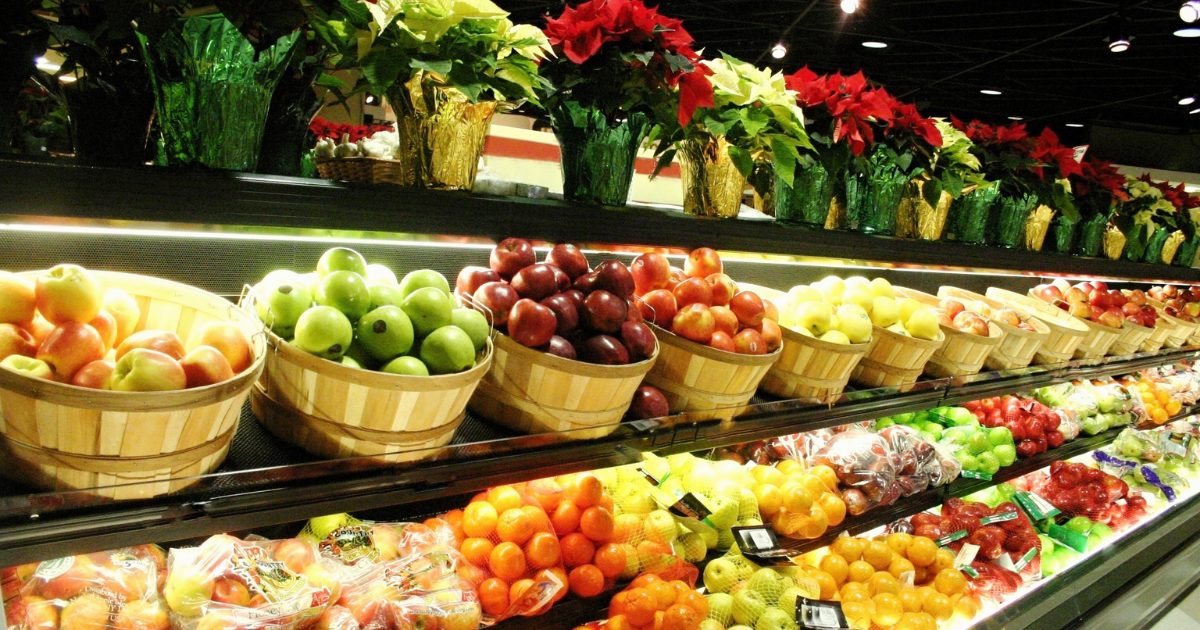
In today’s fast-paced world, grocery shopping has evolved significantly from traditional visits to local stores. The rise of digital technology and e-commerce has given birth to modern grocery marketplaces that offer convenience, variety, and affordability. A groceries marketplace is an online platform where customers can browse, compare, and purchase fresh produce, household essentials, packaged foods, beverages, and personal care products from multiple sellers. These marketplaces have revolutionized the shopping experience by making daily necessities accessible with just a few clicks.
One of the biggest advantages of a groceries marketplace is convenience. Customers no longer need to spend hours traveling to supermarkets, searching for products, and waiting in long checkout lines. Online grocery platforms allow shoppers to place orders from the comfort of their homes, offices, or even while traveling. With flexible delivery options, groceries can be delivered directly to the customer’s doorstep, saving valuable time and effort.
Another major benefit is the extensive product selection available on grocery marketplaces. Unlike physical stores that may have limited shelf space, online platforms can showcase thousands of products across multiple categories. Customers can easily find fresh fruits and vegetables, dairy products, frozen foods, snacks, organic items, beverages, and specialty products. This variety ensures that shoppers can access products that meet their dietary preferences, cultural needs, and lifestyle choices.
Competitive pricing is also a key feature of the best grocery marketplaces. Since multiple sellers often operate on the same platform, customers can compare prices and choose the most affordable options. Regular discounts, promotional offers, loyalty rewards, and seasonal sales further enhance savings. Many grocery marketplaces provide digital coupons and membership programs that help customers reduce their overall shopping expenses while maintaining product quality.
Freshness and quality assurance play a crucial role in building trust among consumers. Leading grocery marketplaces partner with reliable suppliers, local farmers, and trusted brands to ensure that products meet high-quality standards. Fresh produce is carefully sourced and delivered through efficient logistics systems to preserve freshness. Many platforms also allow customers to review products and sellers, helping future buyers make informed purchasing decisions.
Technology has significantly improved the grocery shopping experience. Advanced search filters, personalized recommendations, and smart shopping lists make it easier for customers to find exactly what they need. Mobile applications provide seamless browsing, secure payment options, order tracking, and real-time notifications. Artificial intelligence and data analytics enable marketplaces to understand customer preferences and offer tailored product suggestions that enhance satisfaction and convenience.
The best grocery marketplaces also support local businesses and farmers. By providing a digital storefront, these platforms help smaller suppliers reach a wider customer base without investing heavily in physical retail infrastructure. This creates new business opportunities and promotes economic growth within local communities. Consumers benefit by gaining access to fresh, locally sourced products while supporting regional producers.
Sustainability has become an important focus for modern grocery marketplaces. Many platforms are adopting eco-friendly packaging, reducing food waste, and optimizing delivery routes to minimize environmental impact. Some marketplaces offer organic and sustainably sourced products, allowing environmentally conscious consumers to make responsible purchasing decisions. These initiatives contribute to a greener and more sustainable future for the retail industry.
Customer service is another factor that distinguishes top grocery marketplaces. Reliable platforms offer responsive support teams, easy return policies, and transparent communication. Whether dealing with delivery issues, product concerns, or payment questions, customers can expect quick assistance and satisfactory resolutions. Strong customer support helps build loyalty and encourages repeat purchases.
As consumer expectations continue to evolve, grocery marketplaces are introducing innovative features such as same-day delivery, subscription services, voice-assisted shopping, and contactless payment methods. These advancements enhance convenience and make grocery shopping more efficient than ever before. The integration of technology and customer-focused services positions grocery marketplaces as an essential part of modern retail. In conclusion, the best groceries marketplace combines convenience, variety, affordability, quality, and technology to deliver an exceptional shopping experience. By connecting consumers with trusted sellers and providing easy access to everyday essentials, these platforms have transformed the way people shop for groceries. As digital commerce continues to grow, grocery marketplaces will remain a vital solution for busy individuals and families seeking efficient, reliable, and cost-effective ways to manage their daily shopping needs.