Configuring a shared bedroom is a milestone that many growing families navigate as their household dynamics evolve. In multi-child households, spatial constraints or a desire to foster close sibling bonds often require children of different ages to share a single room. While managing a shared space for two toddlers or two teenagers is relatively straightforward, the challenge intensifies exponentially when the room must accommodate both a young child and an emerging tween. This specific developmental gap represents a collision of completely different worlds, shifting from playful, imaginative childhood routines to a tween’s growing desire for privacy, mature aesthetics, and independent study zones.
When a room fails to respect this age gap, it quickly becomes a source of daily household friction. A tween can easily feel frustrated by an environment overcrowded with primary-colored toy bins, while a younger child might feel pushed out by a cold, overly mature study layout. Striking a successful balance means moving past generic, off-the-shelf design solutions and adopting a sophisticated approach to spatial planning. It requires creating distinct functional zones within a single footprint so that both siblings feel their personal identities are respected and protected.
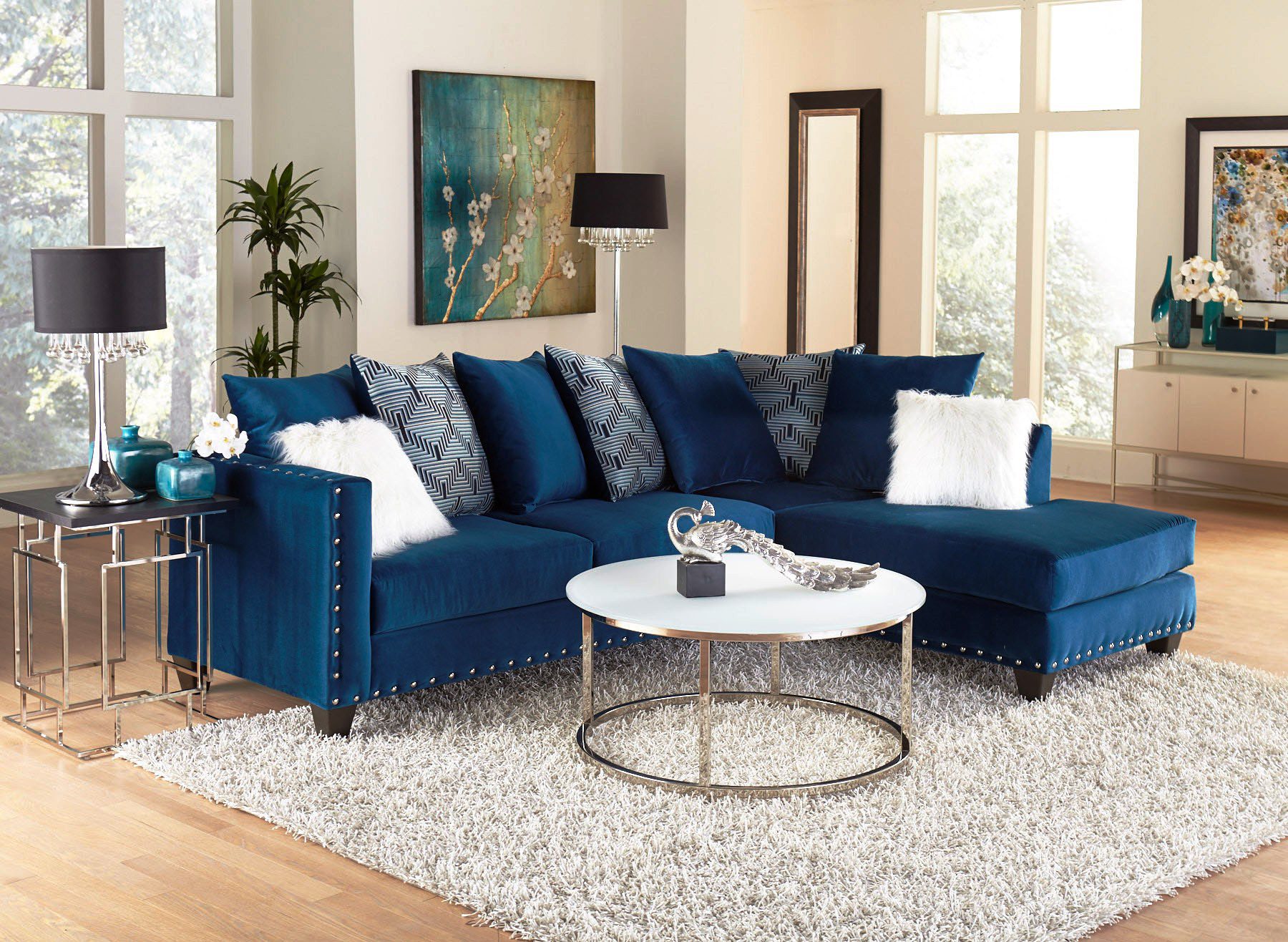
While future-proofing begins with smart vertical bedding and modular storage systems inside the bedroom itself, advanced home design looks at how neighboring spaces can absorb household growth. By shifting the social, gaming, and lounge burdens completely out of the bedroom and into an adjacent bonus room, den, or enclosed porch, you protect the serenity of their sleeping quarters. Transforming this shared family zone with a high-capacity blue sectional sofa creates an alternative destination for lounging, reading, and entertainment, allowing the shared bedroom to remain a focused, organized sanctuary for rest and study.
1. Navigating the Age Gap with Balanced Visual Backdrops
The primary mistake when decorating a room for an age-diverse sibling duo is leaning too far into one child’s aesthetic stage. Defaulting to hyper-themed wallpaper featuring cartoon characters or fairy tales will alienate a tween, making them feel embarrassed when hosting school friends. Conversely, designing a sterile, minimalist room can feel uninviting to a younger child who needs a stimulating, playful space to fuel their imagination.
To resolve this aesthetic conflict, establish a neutral visual foundation across the room’s permanent surfaces. Utilize sophisticated, desaturated tones—such as soft slate grays, warm ivories, light sand beiges, or muted sages—on the primary walls and large furniture anchors. This clean backdrop acts as an architectural canvas that visually expands the footprint and maximizes natural sunlight from the windows.
Once the neutral baseline is secure, allow each sibling to express their independent personality through easily customizable accent zones. Give each child their own wall territory for framed artwork, floating shelves, and personalized bulletin boards. A younger sibling can display their colorful drawings and favorite toy models, while the tween can organize school certificates, polaroid photos, and mature design prints. This compromise ensures the room maintains a cohesive design flow while giving both kids a deep sense of ownership and belonging.
2. Implementing Vertical Geometry and Invisible Boundaries
In a narrow or compact bedroom layout, traditional horizontal furniture placement can rapidly consume valuable floor real estate. Placing two standard twin beds side by side chokes vital paths of travel, blocks access to closets, and leaves zero open floor space for active play or studying. To optimize a shared footprint, you must look upward and utilize the room’s vertical volume.
Incorporating vertical bedding configurations—such as custom bunk beds or an independent loft system over a study desk—is an exceptional spatial tool. Stacking the sleeping surfaces vertically compresses the furniture footprint down to a single mattress line, instantly freeing up massive amounts of ground-level square footage. This extra space can then be repurposed into a dedicated homework station or a structured storage zone that keeps the household organized.
To give each sibling an essential sense of privacy within their shared quarters, integrate low-profile, invisible boundaries into the layout. Position a tall, open-backed bookshelf perpendicular to the wall between their designated zones. This arrangement creates a functional physical partition that blocks direct lines of sight without cutting off natural light or airflow. For bunk bed setups, installing simple, custom track curtains around each berth allows each child to create a private, cozy reading sanctuary whenever they need to decompress from a busy day.
3. Reclaiming Spatial Balance with Multi-Room Lounge Anchors
Even the most masterfully organized shared bedroom can begin to feel restrictive as children mature and their social circles expand. Tweens require a dedicated space to host friends for weekend study groups, gaming sessions, and casual hangouts. Trying to force these high-energy social activities into a shared bedroom entirely disrupts the younger sibling’s sleep schedule and routine, turning a peaceful sanctuary into a chaotic household bottleneck.
Strategic parents outsmart this spatial friction by expanding their design strategy to the home’s shared living zones. Creating a designated secondary lounge in an adjacent den or game room unburdens the kids’ bedroom. Selecting a premium blue sectional sofa as the foundation for this lounge zone provides an efficient, high-capacity seating solution that effortlessly accommodates a crowd of teenagers or family members without overwhelming the surrounding floor plan.
The continuous, L-shaped configuration of a sectional sofa maximizes seating capacity while keeping the center of the room open and airy. Selecting a blue sectional sofa upholstered in a deep, textured performance fabric—such as rich navy or dark indigo velvet—brings the proven benefits of color psychology into your home. Cool blue hues operate on shorter light wavelengths that actively slow respiratory rates and lower cortisol production, cultivating a calming visual anchor that lowers stress in a busy, multi-child household. This shared island of comfort serves as a relaxed destination where both kids can unwind, watch movies, and connect with their peers in total comfort.
4. Prioritizing Material Integrity Against Active Household Wear
Whether you are designing a shared youth bedroom or furnishing a high-traffic family media lounge, the underlying material craftsmanship of your furniture anchors dictates their long-term safety and durability. Children and tweens subject furniture to continuous physical stress, ranging from accidental beverage spills and art project mishaps to high-impact daily use.
Completely steer clear of mass-produced “fast furniture” alternatives built from compressed particleboard or veneered medium-density fiberboard (MDF) held together by cheap glue and basic hardware. When exposed to natural indoor atmospheric shifts and high-impact wear, these low-grade composite materials quickly warp, bow, and strip their internal threads, leaving you with structurally compromised furniture that must be replaced within a few short seasons.
Insist on furniture foundations constructed from kiln-dried solid hardwoods, such as solid oak, maple, birch, or dense poplar. The specialized kiln-drying process pre-extracts internal cell moisture from the timber before manufacturing begins, structurally stabilizing the wood. This advanced engineering ensures your bed frames, study desks, and heavy dressers can expand and contract naturally without cracking, warping, or losing their geometric alignment over time. Investing in premium solid timber guarantees a rock-solid, safe environment that easily handles a decade of rapid childhood growth.
Cultivating a Unified Home Ecosystem
Designing a shared space for a child and a tween is a powerful exercise in balance, communication, and intentional spatial coordination. By prioritizing neutral visual aesthetics, vertical furniture geometry, and kiln-dried solid hardwoods, you successfully outsmart the rapid developmental shifts of childhood.
Complementing these smart bedroom choices with a strategic, high-capacity secondary lounge layout—anchored by a durable and deeply comforting blue sectional sofa—creates a harmonious home ecosystem. You protect your valuable walkways from clutter, honor your children’s evolving social habits, and build a beautiful, stress-free haven that your entire family will cherish for decades to come.