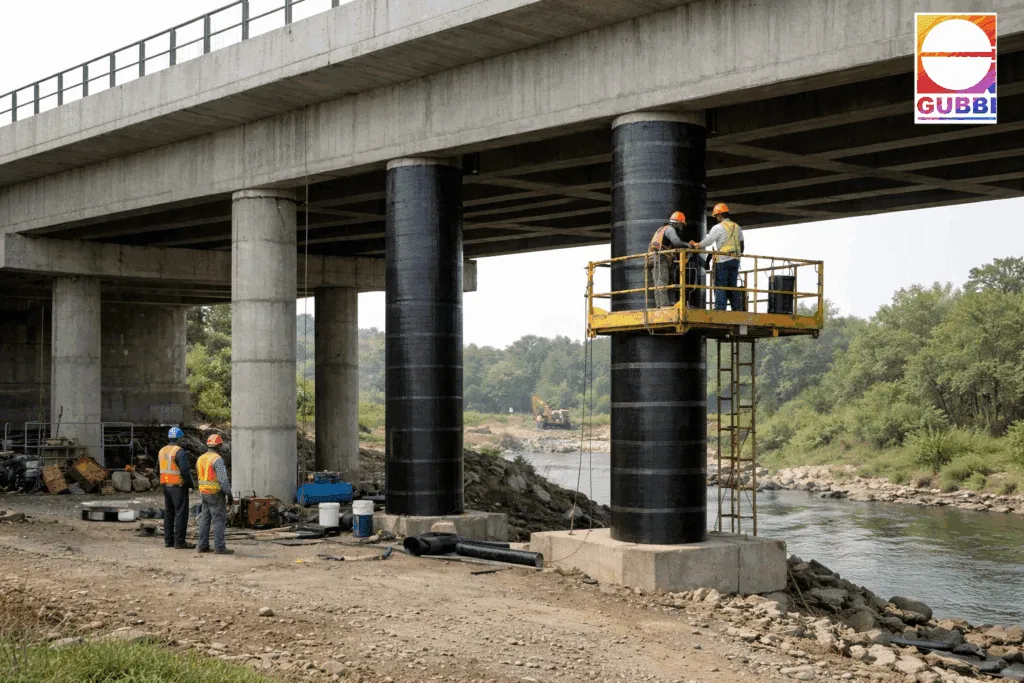
Bridges are among the most critical components of transportation infrastructure, connecting cities, industries, and communities while supporting the safe movement of people and goods. Over time, these structures experience continuous stress from heavy traffic, changing weather conditions, corrosion, water exposure, and natural aging. Without timely repairs, even minor structural issues can develop into significant safety concerns. Professional bridge repair services help restore structural integrity, improve durability, and extend the service life of bridges while minimizing disruption to daily transportation. Whether it is a highway bridge, railway bridge, pedestrian bridge, or industrial access bridge, proper maintenance and rehabilitation are essential for ensuring long-term performance. Experienced bridge repair contractors use advanced inspection methods, modern repair materials, and proven engineering techniques to restore damaged structures efficiently. This guide explains everything you need to know about bridge repair, including common problems, repair methods, benefits, and how to choose the right contractor.
Why Bridge Repair Services Are Important
Bridges are constantly exposed to heavy vehicle loads, environmental pollution, moisture, temperature changes, and vibrations. These conditions gradually weaken structural components, leading to cracks, corrosion, concrete deterioration, and reduced load-bearing capacity. Delaying repairs increases maintenance costs and may compromise public safety. Timely bridge repair prevents further deterioration while ensuring the bridge continues to perform safely for years.
Modern bridge repair services focus not only on fixing visible damage but also on strengthening the overall structure. Engineers evaluate the bridge’s condition, identify the root causes of deterioration, and recommend the most effective rehabilitation solution. This proactive approach helps infrastructure owners avoid costly replacements and extend the lifespan of valuable assets.
Common Causes of Bridge Damage
Bridge deterioration can result from several factors working together over many years. One of the most common causes is corrosion of steel reinforcement caused by water penetration and chloride contamination. Rust expands inside concrete, creating internal pressure that leads to cracking, spalling, and loss of structural strength. Continuous exposure to rainwater and humidity accelerates this process significantly.
Heavy traffic loads also contribute to structural fatigue. Modern vehicles often carry heavier loads than many older bridges were originally designed to support. Continuous loading and unloading create repeated stress cycles that gradually weaken bridge components. Fatigue cracks can develop in steel members, concrete beams, expansion joints, and supporting elements if regular inspections and maintenance are neglected.
Natural disasters such as earthquakes, floods, cyclones, and landslides can also damage bridge foundations and superstructures. Water scouring around bridge piers weakens foundation stability, while seismic activity may create structural cracks and displacement. Environmental pollution, freeze-thaw cycles, chemical attacks, and poor drainage further contribute to the deterioration of bridge materials over time.
Signs That a Bridge Requires Immediate Repair
Early identification of structural problems helps prevent extensive damage and expensive rehabilitation work. Visible cracks in concrete decks, beams, columns, or retaining walls are often among the first warning signs. While some surface cracks are harmless, wider or continuously growing cracks may indicate deeper structural issues requiring immediate engineering evaluation.
Concrete spalling is another common indicator of deterioration. Pieces of concrete breaking away expose reinforcing steel to moisture and oxygen, accelerating corrosion. Rust stains, exposed reinforcement, water leakage, joint failures, settlement, uneven bridge surfaces, excessive vibrations, and unusual deflection during vehicle movement also indicate the need for professional bridge inspection and repair.
Infrastructure owners should never ignore recurring maintenance issues. Routine structural health monitoring helps identify hidden defects before they become major safety hazards. Preventive repairs are always more economical than emergency rehabilitation or complete bridge replacement.
Types of Bridge Repair Services
Bridge rehabilitation involves multiple repair techniques depending on the structure’s condition and the extent of damage. Crack injection is commonly used to restore structural continuity by filling cracks with specialized epoxy or polyurethane materials. This method prevents moisture penetration while restoring the concrete’s original strength.
Concrete repair and restoration involve removing deteriorated concrete, cleaning corroded reinforcement, applying anti-corrosion treatments, and placing high-performance repair mortars. This process restores damaged sections while protecting the bridge against future deterioration. Surface protection systems, waterproof coatings, and sealants further improve durability by preventing water infiltration.
Structural strengthening techniques increase the bridge’s load-carrying capacity without complete reconstruction. Carbon fiber wrapping, steel plate bonding, external post-tensioning, concrete jacketing, and beam strengthening are widely used to enhance structural performance. These modern rehabilitation methods allow existing bridges to accommodate increased traffic loads while extending their operational lifespan.
Expansion joint replacement is another essential bridge maintenance service. Damaged joints allow water and debris to enter structural components, accelerating deterioration. Replacing worn joints improves bridge movement, protects supporting elements, and reduces future maintenance requirements.
Bearing replacement restores proper load transfer between bridge decks and supporting structures. Damaged bearings may restrict structural movement, creating additional stress within the bridge. Replacing these components improves structural flexibility and long-term performance.
Modern Technologies Used in Bridge Repair
Bridge rehabilitation has advanced significantly with the introduction of modern engineering technologies. Non-destructive testing methods such as ultrasonic testing, rebound hammer testing, ground penetrating radar, and half-cell potential surveys help engineers evaluate structural conditions without causing damage. These technologies improve repair planning by identifying hidden defects accurately.
Drone inspections have also become increasingly popular for bridge assessment. High-resolution aerial imaging allows engineers to inspect difficult-to-access areas safely while reducing inspection time and costs. Three-dimensional laser scanning creates detailed structural models that assist in damage analysis and repair design.
Advanced repair materials offer improved durability compared to conventional construction materials. Fiber-reinforced polymers, high-performance concrete, corrosion-resistant reinforcement, epoxy injection systems, and protective coatings provide longer service life while reducing future maintenance requirements. These innovations help infrastructure owners maximize investment in bridge rehabilitation projects.
Benefits of Professional Bridge Repair Services
Professional bridge repair offers significant advantages beyond restoring visible damage. Timely rehabilitation improves public safety by eliminating structural risks before they become hazardous. Stronger bridges provide reliable transportation networks for commuters, commercial vehicles, and emergency services, supporting economic growth and community connectivity.
Repairing existing bridges is considerably more cost-effective than complete replacement. Rehabilitation extends the structure’s service life while minimizing construction costs and traffic disruptions. Infrastructure owners also benefit from reduced long-term maintenance expenses through preventive repairs and protective treatments.
Bridge strengthening increases load-carrying capacity, allowing older structures to meet modern transportation demands. Improved durability enhances resistance against corrosion, environmental exposure, and heavy traffic, reducing the likelihood of future structural failures. Sustainable rehabilitation also minimizes construction waste and conserves valuable resources by extending the life of existing infrastructure.
How Bridge Repair Contractors Evaluate Structural Condition
Professional bridge repair contractors begin every project with a detailed structural assessment. Engineers review original design drawings, previous inspection reports, maintenance records, and traffic loading information before conducting field investigations. This comprehensive evaluation identifies both visible damage and hidden structural weaknesses.
Inspection findings are combined with material testing and structural analysis to determine the most effective repair strategy. Engineers assess foundation stability, concrete quality, reinforcement corrosion, expansion joints, bearings, drainage systems, and load-bearing members. The final rehabilitation plan prioritizes safety, cost-effectiveness, and long-term structural performance.
Experienced contractors also develop phased construction schedules that minimize traffic disruption while maintaining public safety throughout the repair process. Careful planning ensures projects are completed efficiently without compromising structural quality.
Choosing the Right Bridge Repair Contractors
Selecting qualified bridge repair contractors is one of the most important decisions for any rehabilitation project. Look for contractors with extensive experience in structural rehabilitation, bridge strengthening, concrete repair, and infrastructure maintenance. Their engineering expertise should include inspection, repair design, material selection, and execution using modern repair technologies.
A reliable contractor follows recognized engineering standards, implements strict quality control procedures, and prioritizes worker safety throughout construction. Access to specialized equipment, skilled technicians, certified engineers, and advanced testing methods ensures successful project completion. Reviewing completed bridge rehabilitation projects and technical capabilities helps infrastructure owners make informed decisions.
Clear communication, transparent project planning, realistic timelines, and comprehensive maintenance recommendations also reflect a professional approach. Choosing experienced specialists ensures repairs deliver long-term structural reliability rather than temporary solutions.
Preventive Maintenance Extends Bridge Life
Preventive maintenance plays a crucial role in reducing long-term repair costs. Regular bridge inspections allow engineers to detect minor deterioration before it develops into major structural damage. Cleaning drainage systems, sealing cracks, repairing expansion joints, and applying protective coatings significantly slow deterioration caused by moisture and environmental exposure.
Scheduled maintenance also improves bridge performance by preserving structural components in good condition. Infrastructure owners who invest in preventive maintenance experience fewer emergency repairs, lower lifecycle costs, and improved public safety. A proactive maintenance program is essential for maximizing the service life of transportation infrastructure.
Professional For Bridge Repair Services
When selecting a partner for bridge rehabilitation, it is important to work with professionals who understand structural behavior, advanced repair technologies, and long-term infrastructure performance. An experienced engineering team can recommend solutions based on detailed inspections rather than temporary repairs. Gubbi Civil Engineers Limited delivers specialized expertise in structural rehabilitation, strengthening, and repair solutions that help infrastructure owners improve safety, durability, and long-term asset performance through technically sound engineering practices.
Bridge infrastructure requires continuous monitoring, timely maintenance, and professional rehabilitation to ensure safe and reliable transportation. Environmental exposure, increasing traffic loads, aging materials, and natural deterioration make regular inspections and repairs essential for extending structural life. Investing in professional bridge repair services helps prevent expensive failures while maintaining the operational efficiency of critical transportation networks.
Working with experienced bridge repair contractors ensures every stage of rehabilitation is completed using proven engineering methods, advanced materials, and modern inspection technologies. Whether repairing cracks, strengthening structural members, restoring concrete, replacing bearings, or implementing preventive maintenance, professional bridge rehabilitation protects valuable infrastructure investments for future generations. Timely repairs not only improve structural safety but also reduce lifecycle costs, minimize traffic disruptions, and support sustainable infrastructure development.