Introduction
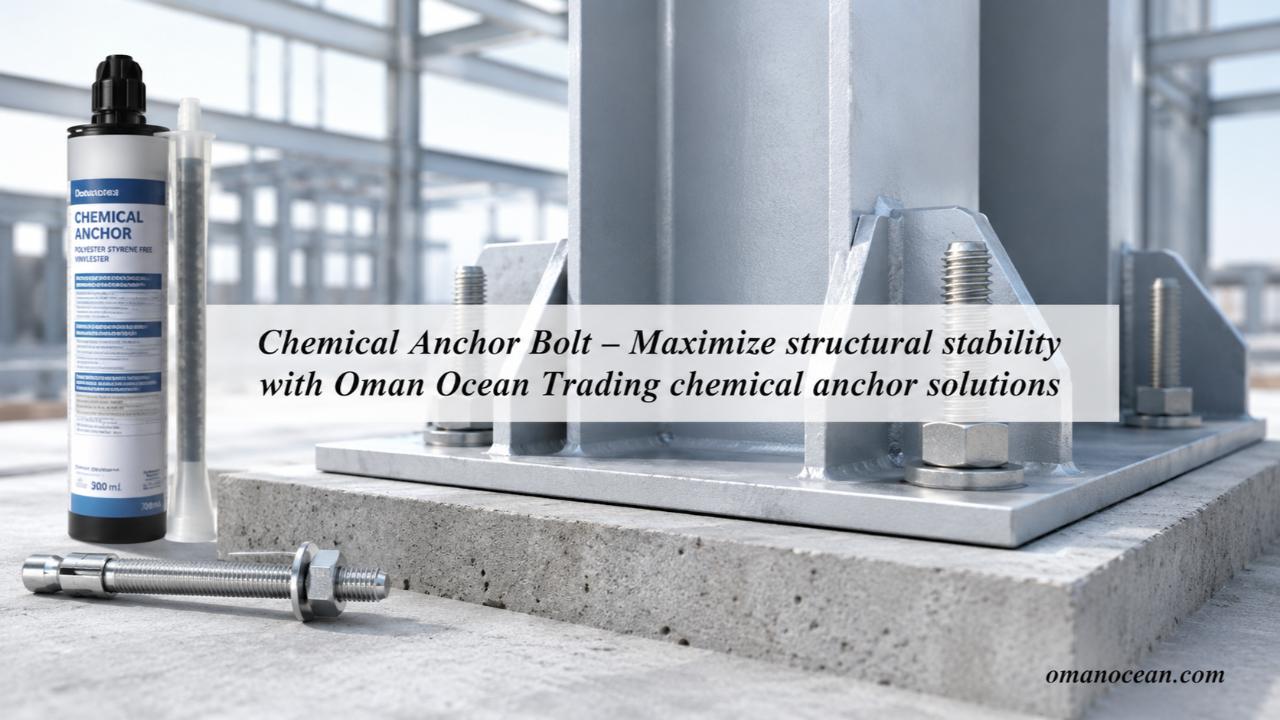
Imagine you are trying to hang a heavy shelf on a concrete wall, or better yet, secure a massive piece of machinery to a factory floor. If you use a standard screw or a regular mechanical plug, you are relying entirely on friction. The metal pushes against the stone, and you just hope it holds. But when failure is not an option, construction experts turn to a game-changing solution known as a Chemical Anchor Bolt. Instead of just wedging itself into the gap, this system literally glues the hardware into the very DNA of the structure. By utilizing a high-strength liquid resin that cures into an indestructible solid, a Chemical Anchor Bolt transforms a vulnerable drilled hole into the strongest point of the entire setup.
The Magic Behind the Invisible Bond
To really understand why this method is so incredibly tough, we have to look at what happens inside the concrete. Regular mechanical anchors work by expanding. They get shoved into a hole, and as you tighten them, they flare out, pressing hard against the sides. This creates a ton of internal stress, which can actually crack the concrete if you place them too close to an edge.
Chemical anchoring flips the script. You drill a hole, clean out the dust, inject a specialized liquid resin, and then push your steel rod inside. Within a short time, that liquid seeps into every microscopic pore, crack, and imperfection inside the hole. As it hardens, it fuses the steel and the concrete together into one single, continuous piece. There is no outward pressure, no splitting force, and absolutely no room for the bolt to wiggle or slip out. It is a permanent, seamless marriage of materials.
Why This System Beats Traditional Fixing Methods
When it comes to holding power, this liquid-to-solid approach offers some massive practical upgrades over old-school hardware. Because it does not rely on mechanical friction or expansion force, it opens up a whole new world of installation possibilities.
Here is a quick look at the heavy-duty structural fasteners advantages:
- Zero Stress on Concrete: Since the resin does not force itself outward, you can install these anchors incredibly close to the edges of walls or columns without worrying about the corners breaking off.
- Customizable Depths: Unlike fixed-length mechanical bolts, you can drill a hole as deep as you want and cut a steel rod to any length. The chemical mix will fill the entire void regardless of the size.
- Total Weather Sealing: Because the resin completely fills the cavity, it seals the hole shut. Water, moisture, and corrosive chemicals cannot slide down into the gap, protecting the internal steel from rusting away over time.
- Infinite Flexibility: You can use this method in hollow bricks, old crumbling masonry, or ultra-dense reinforced concrete. The liquid adapts to whatever shape it encounters.
The Step-by-Step Way to Get It Right
Getting a flawless hold is not difficult, but it does require a little bit of patience and attention to detail. It is much like baking a cake—if you skip a step or mess up the measurements, the end result will not turn out right.
First, you need to drill your hole to the recommended depth and diameter. This is where most beginners make their biggest mistake: they forget to clean the hole. If there is a bunch of leftover concrete dust sitting inside, the chemical glue will stick to the loose dust rather than the solid wall. You need to blow the dust out, brush the sides with a wire brush, and blow it out again until it is completely clean.
Next, you inject the resin using a special mixing nozzle that combines the adhesive and the hardener right as it leaves the tube. Squirt it in from the back of the hole moving forward so you do not trap any air bubbles. Finally, push your steel stud into the hole while twisting it slowly to make sure the glue coats every single thread. Now comes the hardest part: leave it alone. Let it sit undisturbed until the cure time listed on the package has passed. Once it is dry, you can bolt down your heavy equipment with absolute confidence.
Conclusion
At the end of the day, securing heavy loads into concrete does not have to be a stressful guessing game. By opting for a system that fuses materials at a microscopic level, you eliminate the risk of cracks, slippage, and structural fatigue. It is a reliable, rock-solid approach that turns demanding construction challenges into simple, worry-free projects. For those looking to secure top-tier, reliable anchoring solutions for their next big project, Oman Ocean Trading LLC provides the premium quality supplies and trusted expertise needed to ensure your structures stand completely immovable for years to come.