Modern farming and gardening equipment has made soil preparation easier and more productive than ever before. Whether managing a small farm, maintaining a large garden, or preparing fields for seasonal crops, selecting the right tools can improve efficiency and reduce manual labor. One of the most practical tools available today is a cultivator for tractor systems, especially when paired with a dependable cat 1 3 point hitch setup.
Farmers and landowners rely on cultivation equipment to loosen soil, remove weeds, and prepare planting areas quickly. A properly matched tractor cultivator can transform hard-packed ground into fertile, workable soil within a short amount of time. Understanding how these tools operate and how a cat 1 3 point hitch contributes to performance is important for achieving better farming results.
Understanding the Purpose of a Tractor Cultivator
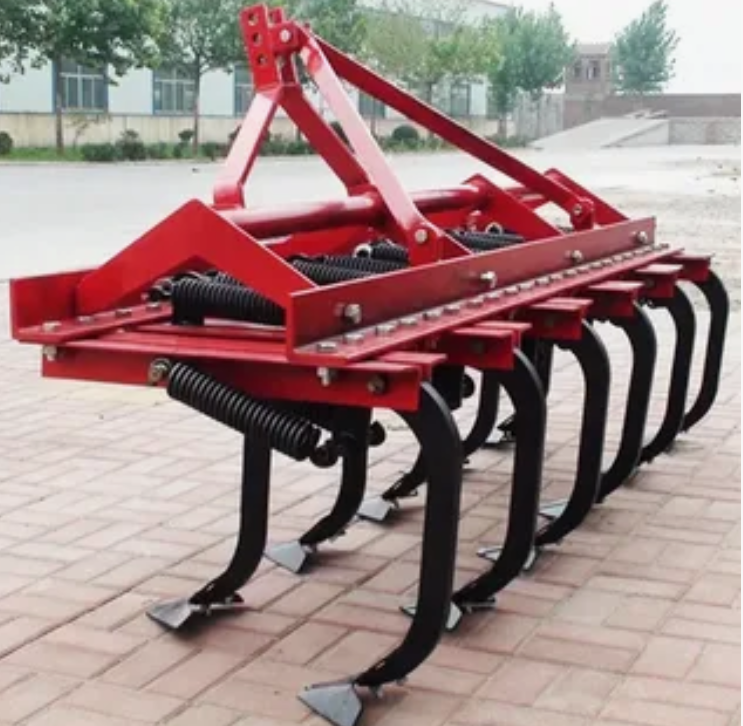
A cultivator for tractor use is designed to break up soil and prepare land for planting. Unlike plows that dig deep into the earth, cultivators work closer to the surface. They are commonly used to remove weeds, improve airflow in the soil, and mix nutrients into the ground.
Many farmers use cultivators during multiple stages of crop production. Before planting, cultivators loosen compacted soil to create a healthy seedbed. During the growing season, they help control weeds between crop rows without damaging the plants. This versatility makes cultivation equipment valuable for gardens, orchards, vineyards, and small farms.
The efficiency of a cultivator often depends on the tractor attachment system being used. This is where the cat 1 3 point hitch becomes essential. It provides stability and reliable connection between the tractor and implement, allowing the cultivator to operate smoothly even on uneven terrain.
Benefits of Using a Cat 1 3 Point Hitch
A cat 1 3 point hitch is commonly found on compact and utility tractors. It is designed to handle a variety of implements including cultivators, blades, tillers, and spreaders. The three-point design creates balanced weight distribution and improves lifting capability.
One of the main advantages of a cat 1 3 point hitch is its compatibility with many farming tools. This flexibility allows tractor owners to switch attachments quickly without needing specialized equipment. For operators using a cultivator for tractor applications, the hitch ensures proper alignment and secure movement during operation.
Another benefit is improved control. The three attachment points reduce swaying and movement while cultivating. This allows the operator to maintain consistent depth and spacing, which is important for protecting crops and improving soil quality.
Durability is also a key feature of the cat 1 3 point hitch system. Because it is built for repeated field use, it can handle demanding agricultural tasks over many seasons. Farmers appreciate the long-term reliability and reduced maintenance requirements that come with a properly maintained hitch system.
Selecting the Best Cultivator for Your Needs
Choosing the right cultivator for tractor operations depends on several factors. Land size, soil type, crop spacing, and tractor horsepower all influence the decision. Some cultivators are designed for light gardening tasks, while others are built for large agricultural fields.
Spring tooth cultivators are popular for breaking loose soil and removing shallow weeds. Their flexible tines move easily through rocky or uneven ground. Rigid shank cultivators, on the other hand, are stronger and better suited for heavier soils.
Adjustable row cultivators are ideal for vegetable farms and row crops because they allow operators to customize spacing. This flexibility helps farmers work around delicate plants while still controlling weed growth.
Before purchasing any implement, it is important to confirm compatibility with the tractor’s cat 1 3 point hitch. Proper matching ensures safe operation and efficient power transfer. Operators should also check lift capacity ratings to avoid overloading the tractor.
Improving Soil Health Through Cultivation
Healthy soil is the foundation of productive farming. A cultivator for tractor equipment can improve soil structure by increasing airflow and reducing compaction. Loosened soil allows roots to spread more easily and absorb nutrients effectively.
Cultivation also improves water penetration. When rain or irrigation water reaches deeper into the soil, crops receive more consistent moisture. This reduces runoff and helps conserve water during dry conditions.
Weed management is another important advantage. Weeds compete with crops for sunlight, nutrients, and moisture. Regular cultivation disrupts weed growth before it becomes a serious problem. This reduces dependence on chemical herbicides and supports more sustainable farming practices.
Using a cat 1 3 point hitch further enhances cultivation performance because it provides consistent implement positioning. Even pressure and accurate depth control help produce uniform soil conditions across the field.
Safety and Maintenance Tips
Proper maintenance is essential for extending the life of cultivation equipment. Operators should inspect all bolts, tines, and hitch connections before each use. Loose or damaged parts can reduce performance and create safety risks.
Lubricating moving components helps prevent excessive wear. Rust and dirt buildup should be removed regularly, especially after working in wet soil conditions. Storing implements indoors can also protect metal surfaces from weather damage.
When operating a cultivator for tractor systems, safety should always come first. Drivers should avoid making sharp turns while the implement is in the ground. Sudden movements can strain the hitch system and damage the equipment.
Checking the cat 1 3 point hitch for proper adjustment is equally important. Balanced attachment points reduce unnecessary stress on the tractor and improve overall handling. Operators should also follow manufacturer guidelines regarding speed and working depth.
Long-Term Value for Farmers and Gardeners
Investing in quality cultivation equipment offers long-term advantages for both commercial farmers and hobby gardeners. A dependable cultivator for tractor use can save countless hours of manual labor while improving planting conditions year after year.
The adaptability of a cat 1 3 point hitch makes it even more valuable. Instead of purchasing multiple specialized tractors, operators can use one tractor with various attachments for different seasonal tasks. This reduces equipment costs and simplifies farm management.
As farming technology continues to evolve, cultivation tools remain an essential part of soil preparation and crop care. Reliable equipment allows landowners to maintain healthier soil, increase productivity, and achieve better harvests.
Conclusion
A well-designed cultivator for tractor applications can dramatically improve farming efficiency, soil quality, and weed control. When paired with a durable cat 1 3 point hitch, the equipment becomes even more stable, versatile, and easy to operate. From small gardens to larger agricultural fields, cultivators continue to play an important role in successful land management.
Understanding how to choose, maintain, and operate cultivation equipment helps farmers get the best possible performance from their tractors. With proper care and the right attachment system, cultivation tools can provide reliable service for many years while supporting healthier and more productive growing conditions.