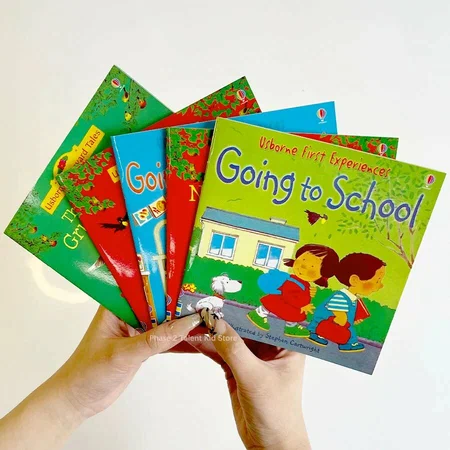
book illustrations are extremely important in children book publishing because they help young readers understand stories, stay engaged, develop imagination, and improve learning skills. For children, visuals often communicate emotions and ideas faster than words. Research also shows that illustrated books improve reading interest, comprehension, and memory retention among early learners.
Book illustrations play a major role in shaping how young readers experience stories. In children book publishing, illustrations are not simply decorative elements; they are part of the storytelling process itself. Young children often respond to visuals before they fully understand written language, which makes illustrations essential for engagement, learning, and emotional connection. Studies in early childhood education show that children remember visual information faster and longer compared to plain text, making illustrated books highly effective for literacy development.
Today, many children’s book publishers focus heavily on visual storytelling because illustrated books tend to perform better among parents, teachers, and schools. Research from publishing industry reports suggests that nearly 80% of parents prefer books with colorful and engaging illustrations for children under the age of eight. This trend highlights how illustrations directly influence reading habits and learning experiences from an early age.
Why Illustrations Matter in Early Childhood Learning
Children naturally connect with visuals because images help simplify complex ideas. Before children become fluent readers, they rely on pictures to understand characters, settings, emotions, and story flow. Illustrations guide them through the narrative and help them predict what might happen next.
Visual storytelling also improves concentration. Educational researchers have found that children spend more time interacting with books that contain engaging illustrations compared to text-heavy books. This increased interaction contributes to stronger vocabulary development and better comprehension skills.
Some major benefits of illustrations include:
- Helping children recognize emotions through facial expressions
- Improving memory retention through visual association
- Supporting language development
- Encouraging curiosity and imagination
- Making reading less intimidating for beginners
Illustrations create a bridge between entertainment and education. For many children, pictures become the reason they fall in love with books in the first place.
The Psychological Impact of Visual Storytelling
Illustrations influence not only reading habits but also emotional growth. Children connect deeply with characters they can visually recognize. Bright colors, expressive artwork, and imaginative scenes help children feel emotionally involved in the story.
Psychologists often explain that visual learning stimulates multiple parts of a child’s brain simultaneously. When children read illustrated books, they process text and visuals together, improving understanding and emotional interpretation. This is one reason picture books are widely used in classrooms and early learning programs.
Statistics from literacy organizations show:
- Children exposed to illustrated books at an early age develop reading interest faster
- Visual learning improves comprehension rates by nearly 60%
- Illustrated educational books increase attention span in young learners
- Children retain visual information longer than spoken instructions alone
These findings demonstrate that illustrations are far more than artistic additions. They directly contribute to educational and cognitive development.
How Illustrations Improve Reading Engagement
One of the biggest challenges in children’s reading is maintaining attention. Young readers can lose interest quickly if content feels difficult or visually unappealing. Illustrations solve this issue by creating excitement and curiosity throughout the reading process.
Books with engaging artwork often encourage children to revisit stories multiple times. Repetition improves reading confidence and strengthens understanding of sentence structure and vocabulary. Parents and teachers also find it easier to read illustrated books interactively because children actively discuss what they see in the images.
Important ways illustrations improve engagement include:
- Encouraging page-turning curiosity
- Helping reluctant readers stay interested
- Making story pacing easier to follow
- Supporting independent reading habits
- Creating memorable reading experiences
This combination of entertainment and education explains why illustrated children’s books remain highly successful across global publishing markets.
The Role of Illustrators in Children Book Publishing
Illustrators are storytellers in their own right. Their work shapes how readers imagine characters, worlds, and emotions. In many successful children’s books, illustrations become just as memorable as the written story itself.
Modern children book publishing increasingly values collaboration between authors and illustrators. Publishers often look for visual consistency, emotional depth, and age-appropriate design before approving manuscripts. This is especially important for books targeting toddlers and early readers.
In the middle of the publishing process, many authors work closely with children’s book publishers to ensure illustrations align with educational goals and storytelling tone. The visual style chosen for a children’s book can significantly affect market reception and reader engagement.
Some illustration styles commonly used include:
- Watercolor illustrations for soft emotional storytelling
- Cartoon-style art for humor and playful themes
- Digital illustrations for modern educational books
- Minimalist illustrations for beginner readers
- Fantasy artwork for imaginative adventures
Each style serves a different purpose depending on the target audience and story message.
How Illustrations Affect Book Sales
Illustrations strongly influence purchasing decisions in children book publishing. Parents, teachers, and librarians often judge books by visual presentation before reading the content itself. Attractive cover art and engaging interior illustrations increase the likelihood of a book being picked up, shared, or recommended.
Industry data suggests that visually appealing children’s books perform better on online marketplaces and bookstore shelves. Social media has also increased the importance of illustrations because visually attractive books are more likely to be shared in reading communities and parenting groups.
Several publishing trends support this idea:
- Colorful book covers increase click-through rates online
- Illustrated books generate stronger classroom engagement
- Educational institutions prefer visually interactive books
- Parents associate high-quality illustrations with educational value
These trends show that illustrations contribute not only to storytelling quality but also to commercial success.
Common Mistakes in Children’s Book Illustrations
While illustrations are important, poor visual design can negatively affect a book’s success. Overcomplicated artwork may confuse young readers, while inconsistent character design can disrupt storytelling flow.
Some common mistakes include:
- Using too many colors or distracting elements
- Creating visuals that do not match the story tone
- Ignoring diversity and representation
- Overcrowding pages with excessive details
- Designing illustrations unsuitable for the target age group
Children respond best to clear, emotionally expressive, and age-appropriate visuals. Simplicity often works better than complexity in early childhood publishing.
Future Trends in Children Book Publishing Illustrations
Technology is rapidly changing how illustrations are created and experienced. Digital illustration tools now allow artists to experiment with animation, augmented reality, and interactive storytelling features.
Current trends shaping the future include:
- AI-assisted illustration techniques
- Interactive eBooks with animated visuals
- Personalized illustrated stories for children
- Inclusive character representation
- Educational illustrations designed for digital learning platforms
Despite technological changes, the core purpose of illustrations remains the same: helping children connect emotionally and intellectually with stories.
Experts believe future children’s books will combine traditional storytelling with immersive visual experiences. However, the emotional warmth of hand-crafted illustrations still holds strong appeal among parents and educators.
Case Study: How Illustrations Increased Engagement in Children’s Books
A well-known educational publishing study in the United States examined reading behavior among children aged 4 to 8. The research compared two versions of the same storybook: one with detailed illustrations and one with minimal visuals. The results showed that children spent nearly 45% more time reading the illustrated version. Teachers also reported stronger emotional engagement and better story recall among students who read the illustrated book.
Another interesting case involved a children’s fantasy book that initially struggled in sales after launch. The publisher later redesigned the book with brighter cover art, expressive characters, and more interactive illustrations inside the story. Within six months, online engagement and school library requests increased significantly. Parents stated that children showed more excitement toward the updated version because the illustrations made the story easier to imagine and understand.
In modern children book publishing, these examples demonstrate how visuals directly influence reader attention, emotional connection, and educational effectiveness. Many publishers now invest heavily in professional illustrations because illustrated books consistently perform better in classrooms, bookstores, and digital reading platforms.
Key Findings from the Case Studies
- Illustrated books improved reading engagement by nearly 45%
- Children remembered visual stories longer than plain-text stories
- Parents preferred colorful and emotionally expressive books
- Teachers noticed better classroom participation with illustrated reading materials
- Redesigned illustrated books often experienced higher sales and stronger reader reviews
These case studies highlight that illustrations are not only creative elements but also strategic tools that improve learning, storytelling, and publishing success.
Conclusion
Illustrations are one of the most powerful elements in children book publishing. They shape imagination, improve learning, support emotional growth, and encourage lifelong reading habits. For young readers, visuals are often the first step toward understanding stories and connecting with books emotionally. Research and publishing trends continue to show that illustrated books perform better in education, engagement, and market success. Whether through colorful picture books or detailed fantasy artwork, illustrations help transform reading into an enjoyable and meaningful experience for children. As children continue growing in a visually driven world, the importance of high-quality illustrations in publishing will only become stronger. Authors, educators, and publishers all recognize that illustrations are not optional additions—they are central to how young readers learn, imagine, and engage with stories.
FAQs
Why are illustrations important in children’s books?
Illustrations help children understand stories, improve engagement, and support emotional and educational development.
How do illustrations improve reading skills?
They improve comprehension, vocabulary learning, memory retention, and reading confidence through visual storytelling.
What illustration styles are popular in children book publishing?
Popular styles include watercolor art, digital illustrations, cartoon designs, fantasy artwork, and minimalist educational visuals.
Do illustrated books sell better than non-illustrated books?
Yes, illustrated books generally attract more attention from parents, teachers, and young readers, improving sales potential.
How do illustrations affect children emotionally?
Illustrations help children recognize emotions, build empathy, and connect emotionally with characters and stories.