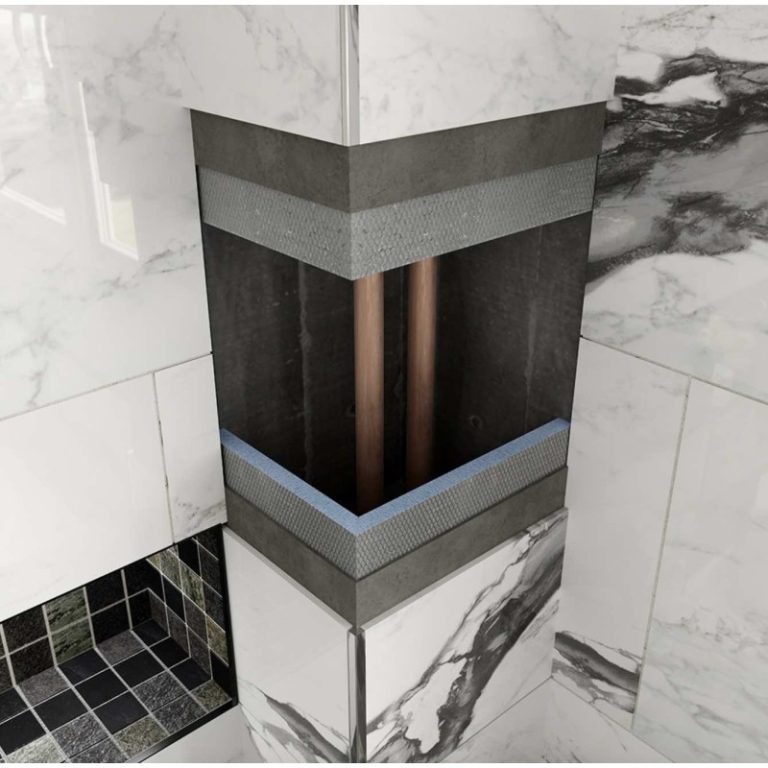
Modern bathroom improvements often focus on combining practicality with clean, contemporary design. Boxing in exposed pipework and creating built-in shower niches are two popular upgrades that improve both functionality and aesthetics. These features help maximize space, reduce visual clutter, and provide convenient storage solutions. With the right materials and planning, homeowners can achieve a more polished and professional finish while enhancing the overall usability of their bathroom.
Why Exposed Pipework Undermines a Bathroom’s Appearance
A bathroom can have the most expensive tiles, the best sanitary ware, and well-chosen fittings, and still look unfinished if pipework runs are left exposed on the walls. Soil pipes, waste runs, and supply lines are functional necessities but rarely beautiful. Boxing them in is one of the most cost-effective upgrades available in any bathroom pipe boxing renovation, transforming a technically adequate space into one that looks genuinely considered and complete.
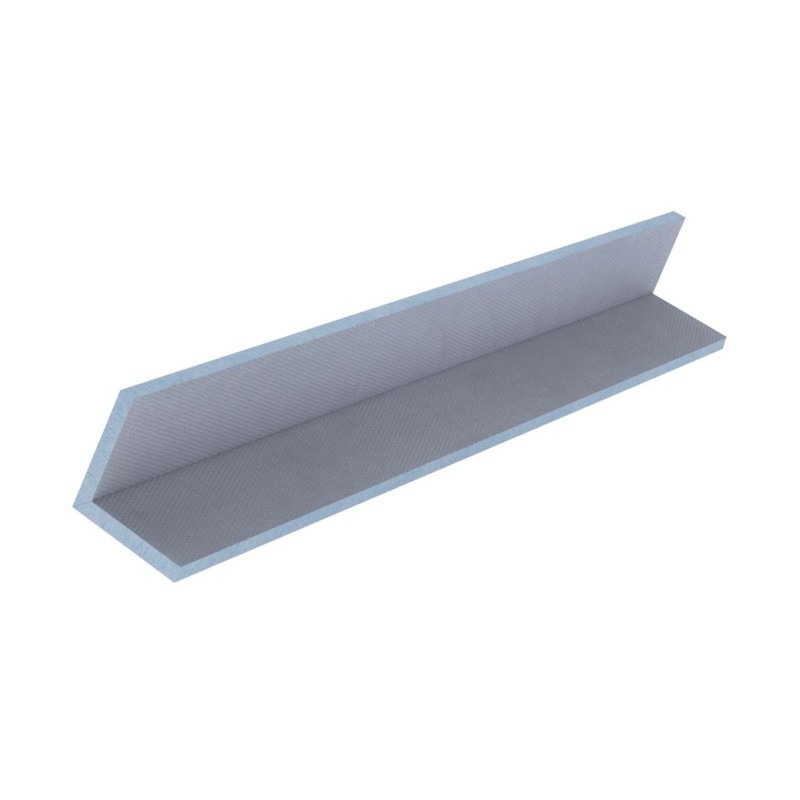
The challenge is doing it in a way that remains accessible for maintenance, does not look clumsy, and in wet areas will not be damaged by condensation or occasional splashes. Material choice and construction method both matter here.
Framing and Materials for Pipe Enclosures
The standard approach to pipe boxing uses a light timber or metal stud framework to create the box form, with board fixed across the face. In dry areas away from the shower and bath zone, moisture-resistant plasterboard is adequate. In wet areas, cement board is the correct choice — it will not be damaged by steam or condensation and provides a proper substrate for tiles without the risk of face paper delamination.
Access panels are worth planning from the start. Virtually all concealed pipework will eventually need to be reached — for valve servicing, leak investigation, or future renovation. An access panel with a friction-fit or magnetic-catch cover is far preferable to a section of boxing that has to be broken out and rebuilt whenever a plumber needs access.
Building a Shower Niche with Shelf
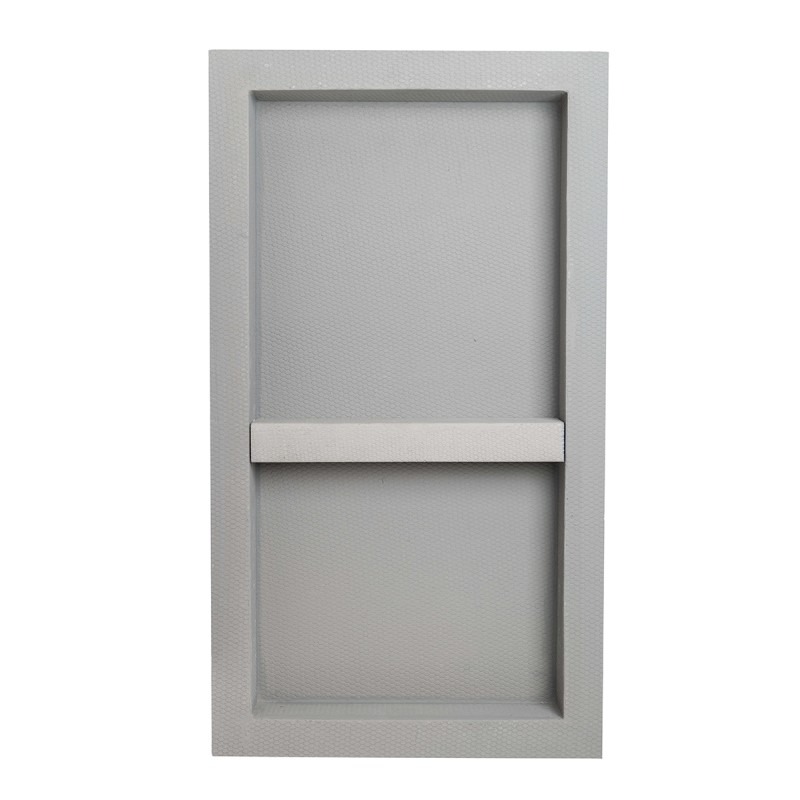
Among the built-in features that elevate a shower design, a shower niche with shelf is one of the most practical and most requested. A recessed niche provides storage for bottles and accessories without projecting into the shower space, keeping sightlines clean and surfaces uncluttered. The challenge is that a niche cut into a stud wall requires careful waterproofing — every surface inside the recess must be treated as a wet area, including the back wall and the underside of the shelf.
Waterproofing a shower niche correctly means applying a tanking system or a waterproof membrane not just to the face tile layer but to the board substrate before tiling begins. All internal corners within the niche should be reinforced with flexible waterproof tape embedded in tanking compound, since corners are the points most vulnerable to cracking as the structure moves slightly over time.
Niche Size and Placement
Standard shampoo bottles are typically 80–100 mm deep, which means a niche depth of 100–120 mm is sufficient for most storage needs while fitting neatly between standard 100 mm stud spacings. Width and height can be adjusted to suit tile module sizes — planning the niche dimensions to align with full tiles or half tiles avoids awkward cuts at every edge.
Height placement matters for comfort. A niche at 1.2–1.5 m off the finished floor level is accessible to most users without requiring bending or reaching above head height. Where multiple users of different heights share the shower, two vertically stacked niches — one higher, one lower — offers a practical solution.
Finishing Shelf Edges
The shelf within the niche is both a functional surface and a detail that visitors will notice. A natural stone shelf edge, a matching tile with a bull-nose finish, or a purpose-made aluminium profile all work well. The critical detail is slope — the shelf must be angled very slightly forward (2–3°) so that water drains naturally onto the niche floor rather than pooling on the shelf surface, which would encourage mould growth.
Conclusion
Thoughtful bathroom upgrades like concealed pipe boxing and built-in shower niches add lasting value to a property without requiring structural work. Insulation Point Limited stocks the boards, waterproofing products, and profiles needed to complete both types of project to a professional standard, all available from a single supplier.