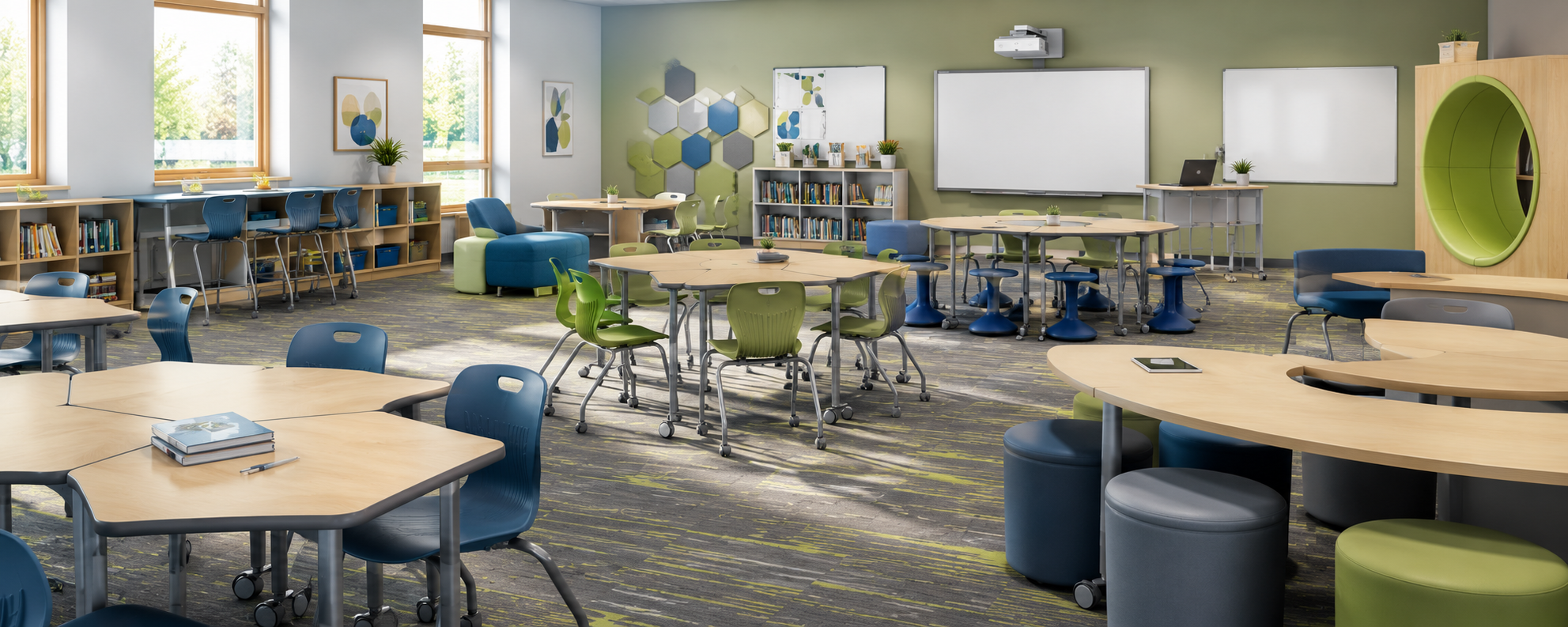
Creating an exceptional environment for learning requires moving far beyond the traditional rows of heavy wooden desks and static chalkboards. Educational design has evolved dramatically to support dynamic instructional methodologies, active collaboration, and diverse student needs. Educational institutions must shift focus toward human centric environments that actively stimulate engagement, focus, and overall well being. Selecting optimal school furniture is not merely an interior design task; it is a foundational step in shaping how information is shared and absorbed.
Modern classrooms must serve multiple functions seamlessly. Within a single school day, a room might transition from a traditional lecture setup to small group brainstorming sessions, followed by independent individual study and hands on project execution. Achieving this level of functional flexibility requires an agile infrastructure. School administrators, facilities managers, and educators are redesigning learning environments to reflect the versatile layouts found in advanced modern workplaces.
When establishing these cutting edge academic environments, looking at targeted resources is highly beneficial. School planners can Browse classroom furniture ideas to discover highly adaptive seating options, ergonomic tables, and mobile storage solutions that easily transform a standard room into a high functioning multi use laboratory. By implementing responsive, thoughtfully planned school furniture in Louisiana classrooms, institutions can foster an atmosphere where students remain inherently motivated, comfortable, and prepared to excel academically.
Understanding the Impact of Ergonomics on Student Performance
The physical comfort of a student directly impacts their cognitive capacity and focus throughout the academic day. Standardized, rigid seating options often force students into unnatural postures, leading to physical fatigue, restlessness, and a noticeable decline in attention spans. Implementing ergonomic student desks and chairs ensures that physical discomfort does not become a barrier to learning. Proper ergonomic design supports natural spinal alignment, promotes healthy blood circulation, and reduces the physical strain associated with extended periods of sitting.
Investing in high quality commercial educational furniture that offers adjustable height mechanisms ensures that classrooms can comfortably accommodate students of various body types and growth stages. When a student is seated comfortably, their brain can focus entirely on the educational curriculum rather than managing physical discomfort. Ergonomic support fundamentally enhances sustained mental concentration, leading to improved information retention and better academic performance overall.
Designing Flexible and Adaptable Layouts for Dynamic Learning
Modern educational strategies prioritize collaboration, critical thinking, and student led exploration. To support these varied instructional methodologies, the physical layout of the classroom must change instantly. Specifying lightweight, mobile, and modular tables allows educators to reconfigure learning spaces effortlessly within minutes.
Modular workstations can be quickly arranged into larger circular configurations for collaborative team projects or separated into isolated rows for standardized testing and independent assignments. Incorporating mobile whiteboards, acoustic dividers, and agile seating options allows teachers to customize the environment based on daily lesson goals. This level of environmental adaptability keeps the learning experience fresh, highly engaging, and responsive to the needs of every student.
Incorporating Biophilic Design and Wellness Elements
Student well being extends well beyond physical ergonomics; it involves creating an environment that feels welcoming, healthy, and connected to the natural world. Incorporating biophilic design principles involves integrating natural elements, such as wood grains, natural daylight, indoor plants, and organic color palettes, into the educational setting. These elements reduce stress, lower anxiety levels, and significantly boost creative thinking among students and faculty.
Selecting appropriate finishes for institutional furniture plays a vital role in this design strategy. Choosing warm wood textures, earthy tones, and soothing greens helps establish a calm atmosphere that mitigates behavioral challenges and improves focus. Maximizing exposure to natural light and supplementing it with intelligent LED lighting systems that mimic natural daylight cycles further enhances focus, keeping students alert and productive during the day.
Specifying High Durability Materials for Demanding Environments
Educational facilities experience high daily traffic and rigorous wear. Institutional furniture must withstand continuous daily use, frequent cleaning, and accidental impacts while maintaining visual appeal and structural safety. Investing in contract grade furniture crafted from heavy duty laminates, reinforced steel frames, and advanced impact resistant polymers ensures long term durability.
Selecting low maintenance materials that resist scratches, stains, and harsh chemical sanitizers ensures that the campus remains clean and visually appealing for years. Partnering with experienced commercial furniture specialists allows school districts to select products that meet strict safety, flammability, and environmental compliance standards, protecting their financial investment and guaranteeing student safety.
Integrating Technology for Seamless Modern Education
Digital tools are fundamentally integrated into modern educational curricula. Classrooms must provide a supportive physical infrastructure for laptops, tablets, interactive displays, and digital STEM gear. Modern student desks and collaborative tables should feature built in wire management systems, integrated power outlets, and accessible USB charging ports to eliminate tangled cords and safety hazards.
Media tables and dedicated technology hubs allow students to plug in their personal devices and mirror screen content onto larger shared displays for collaborative presentations. Designing spaces with integrated power connectivity ensures that learning remains uninterrupted by low battery notifications, allowing technology to serve as a natural extension of the educational experience.
Optimizing Specialized Spaces: Libraries, Labs, and Common Areas
Modern school design extends far beyond standard classrooms; it requires optimizing specialized spaces across the campus. School media centers and libraries are transitioning from silent book storage zones into vibrant, collaborative hubs for research, group projects, and digital exploration. These areas require a smart blend of comfortable lounge seating, private study pods, and expansive communal workstations.
Common areas, cafeterias, and student lounges must serve as multi functional spaces where students can socialize, rest, or engage in casual peer to peer tutoring. Outfitting these common areas with comfortable, durable booths, high top charging bars, and mobile occasional tables creates an inviting campus culture that encourages community building and informal learning outside the traditional classroom setting.
Selecting a Trusted Local Furniture Partner in Louisiana
Executing a successful campus wide redesign or facility upgrade requires comprehensive planning, smart logistics, and deep industry expertise. Working alongside a dedicated local commercial furniture dealer ensures that your institution receives personalized guidance tailored specifically to your regional needs, budget constraints, and aesthetic goals.
An experienced local project management team handles everything from spatial planning and 3D interior renderings to efficient delivery and professional on site installation. Choosing a trusted partner committed to excellence helps educational institutions throughout Louisiana create beautiful, functional, and long lasting environments that empower educators and inspire students for generations to come.
Frequently Asked Questions
How does modern school furniture improve student collaboration?
Modern furniture utilizes modular, lightweight, and mobile designs that allow students to easily move their desks and chairs into group clusters. This flexibility allows for an immediate transition from independent work to team collaboration without disrupting the flow of the lesson.
Why is ergonomics highly critical when selecting student chairs and desks?
Ergonomics is vital because it directly impacts a student’s physical health, comfort, and focus. Correctly designed ergonomic furniture supports natural posture, reduces physical fatigue, and prevents restlessness, allowing students to maintain focus for extended periods.
What materials are recommended for high traffic educational environments?
High traffic educational environments require contract grade materials such as high pressure laminates, solid plastic, scratch resistant powder coated steel frames, and heavy duty polymers that withstand rigorous daily cleaning and heavy wear.
How can older school buildings be adapted for modern technology integration?
Older buildings can be modernized by utilizing furniture with built in power management systems, such as collaborative tables with integrated power strips, mobile charging carts, and surface mounted wire paths that safely deliver electricity without requiring expensive wall remodeling.
Can custom furniture layouts help with classroom behavioral management?
Yes, flexible layouts allow teachers to arrange the room to minimize distractions, create clear sightlines, and establish dedicated zones for different activities. This spatial control helps reduce restlessness and promotes a more ordered, productive learning environment.
Final Summary
Transforming educational facilities into modern, highly effective learning environments requires a thoughtful blend of functional layout flexibility, advanced ergonomic support, long lasting durability, and seamless technology integration. By moving away from rigid, outdated spatial arrangements and investing in flexible, institutional grade commercial solutions, schools can cultivate spaces that truly inspire curiosity and elevate academic achievement.
Partnering with a dedicated workplace and educational furniture specialist ensures that every design choice aligns perfectly with your institution’s specific educational vision and budget. Ultimately, designing a modern classroom is an investment in student potential, providing the physical foundation necessary for the next generation of leaders, creators, and innovators to thrive.