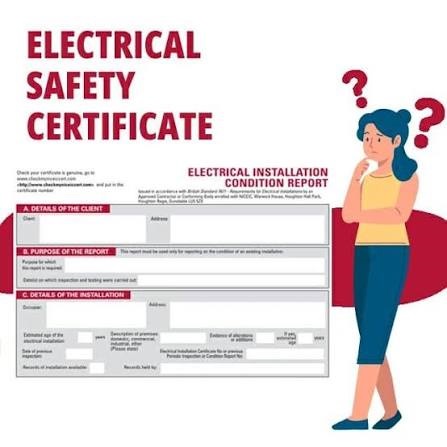
Electrical safety should never be left to chance. Every home relies on a safe electrical system to power lighting, heating, appliances, and modern technology. Whether you are building a new property, carrying out a complete rewire, or installing new electrical circuits, proper certification is essential. It proves that the work meets current UK safety standards and helps protect homeowners from unnecessary risks.
A domestic electrical installation certificate is one of the most important documents issued after major electrical work in a residential property. It confirms that the installation has been designed, installed, inspected, and tested in accordance with BS 7671 Wiring Regulations. As a result, homeowners gain confidence that their electrical system is safe, compliant, and suitable for long term use.
What Is a Domestic Electrical Installation Certificate?
A domestic electrical installation certificate is an official document provided after the completion of new electrical installations or significant electrical alterations in a home. It confirms that qualified electricians have completed detailed inspections and testing before declaring the installation safe.
Unlike a simple receipt or invoice, this certificate provides technical evidence that the work complies with current electrical regulations. Therefore, it becomes an important legal and safety document for homeowners, landlords, buyers, insurers, and future electricians.
The certificate is normally issued for work such as:
| Electrical Project | Certificate Required |
| New house wiring | Yes |
| Full property rewire | Yes |
| New consumer unit installation | Yes |
| Home extension wiring | Yes |
| Garage electrical installation | Yes |
| New circuit installation | Yes |
| Major electrical alterations | Yes |
| Minor repairs | No |
Why a Domestic Electrical Installation Certificate Matters
Many homeowners focus on the installation itself while overlooking the importance of certification. However, the certificate is just as valuable as the work completed.
It proves compliance with national electrical standards.
It confirms that professional testing has been carried out.
It supports future electrical inspections.
It helps when selling the property.
It may satisfy insurance requirements.
It provides valuable records for future maintenance.
Without proper certification, homeowners may struggle to prove that electrical work meets current regulations.
Who Can Issue a Domestic Electrical Installation Certificate?
Only competent electricians who have completed the installation and carried out all required inspections and testing should issue a domestic electrical installation certificate.
Qualified electricians understand the requirements of BS 7671 Wiring Regulations and Building Regulations Part P. They follow strict testing procedures before signing the certificate.
Homeowners should always choose experienced electrical contractors who can provide full certification once the work has been completed.
When Is a Domestic Electrical Installation Certificate Required?
A domestic electrical installation certificate is normally issued after major electrical work rather than small repairs.
Common examples include:
New Build Homes
Every new property requires full inspection and testing before occupation.
Complete House Rewiring
Older homes often require complete rewiring to improve safety and comply with current standards.
Consumer Unit Replacement
Replacing an outdated fuse board with a modern consumer unit requires certification.
Home Extensions
Adding new rooms usually involves installing additional circuits that require inspection and testing.
Garage and Garden Buildings
Detached buildings supplied with electricity also require certification when new installations are completed.
What Information Does the Certificate Include?
A domestic electrical installation certificate contains detailed technical information that helps verify compliance.
Typical sections include:
| Certificate Section | Purpose |
| Property address | Identifies installation location |
| Client details | Records property owner |
| Installer information | Identifies electrical contractor |
| Installation description | Explains completed work |
| Inspection checklist | Confirms visual inspection |
| Circuit schedule | Lists installed circuits |
| Test results | Records electrical measurements |
| Declaration | Confirms compliance with BS 7671 |
These records remain valuable throughout the life of the installation.
Electrical Tests Included Before Certification
A domestic electrical installation certificate cannot be issued until comprehensive testing has been completed.
Qualified electricians perform several important tests, including:
| Test | Purpose |
| Continuity testing | Confirms circuit continuity |
| Insulation resistance | Detects insulation faults |
| Earth fault loop impedance | Confirms fault protection |
| Polarity testing | Checks correct wiring connections |
| RCD testing | Verifies protective devices |
| Functional testing | Ensures equipment operates correctly |
Each test contributes to the overall safety of the installation.
Domestic Electrical Installation Certificate vs Minor Electrical Installation Works Certificate
Many homeowners confuse these certificates. However, they serve different purposes.
| Feature | Domestic Electrical Installation Certificate | Minor Electrical Installation Works Certificate |
| Covers new installations | Yes | No |
| Covers complete rewiring | Yes | No |
| Covers new circuits | Yes | No |
| Covers minor alterations | No | Yes |
| Includes full inspection | Yes | Limited |
| Includes full testing | Yes | Limited |
Choosing the correct certificate depends on the type of electrical work completed.
Domestic Electrical Installation Certificate vs Electrical Installation Condition Report
These documents also have different purposes.
| Domestic Electrical Installation Certificate | Electrical Installation Condition Report |
| Issued after new electrical work | Issued after inspection of existing installation |
| Confirms new installation complies | Assesses condition of existing system |
| Required after major installations | Recommended at regular intervals |
| Supports Building Regulations compliance | Identifies deterioration and defects |
Understanding the difference helps homeowners request the correct documentation.
How Long Should You Keep the Certificate?
A domestic electrical installation certificate should be kept for the lifetime of the electrical installation.
Store both printed and digital copies in a secure location.
Future electricians often need previous certificates before carrying out upgrades.
Mortgage lenders may request them.
Property buyers may ask to review them.
Insurance companies may also require proof of compliant installations.
Keeping accurate records prevents delays and unnecessary costs.
What Happens If the Certificate Is Lost?
Losing a domestic electrical installation certificate does not automatically mean the installation is unsafe. However, replacing the document may not always be simple.
The first step is contacting the electrician who completed the work. Many contractors retain copies for several years.
If the original certificate cannot be found, an Electrical Installation Condition Report may be needed to assess the installation.
Therefore, homeowners should always back up important documents digitally.
Building Regulations and Electrical Compliance
Electrical work in domestic properties must comply with Building Regulations where applicable.
Part P of the Building Regulations exists to improve electrical safety within homes.
A domestic electrical installation certificate supports compliance by confirming that the installation has been inspected and tested according to BS 7671.
Failure to comply with Building Regulations may create difficulties when selling a property or making insurance claims.
Common Mistakes Homeowners Make
Many electrical issues begin with simple mistakes that could have been avoided.
Common examples include:
| Mistake | Possible Consequence |
| Hiring unqualified electricians | Unsafe installations |
| Failing to request certification | Missing compliance records |
| Losing certificates | Property sale delays |
| Ignoring electrical defects | Increased safety risks |
| Skipping inspections | Hidden faults remain undiscovered |
Avoiding these mistakes protects both the property and its occupants.
Benefits of Having a Domestic Electrical Installation Certificate
A domestic electrical installation certificate offers long term value beyond legal compliance.
It provides peace of mind because qualified professionals have inspected every part of the installation.
It supports future maintenance by supplying accurate technical records.
It improves confidence during property sales.
It demonstrates compliance with current UK electrical standards.
It may simplify insurance claims following electrical incidents.
It helps electricians diagnose future faults more efficiently.
Overall, it represents a valuable investment in both safety and property value.
Signs Your Home May Need Major Electrical Work
Many older properties contain outdated electrical systems that no longer meet modern safety requirements.
Watch for these warning signs:
Frequent circuit breaker trips.
Flickering lights.
Damaged sockets.
Burning smells near electrical accessories.
Old fuse boards.
Lack of RCD protection.
Exposed or deteriorating wiring.
If any of these problems appear, arrange a professional electrical inspection as soon as possible.
Choosing the Right Electrical Contractor
Selecting the right contractor plays a major role in obtaining a valid domestic electrical installation certificate.
Look for electricians with experience in domestic installations.
Check their qualifications.
Ask whether they provide full inspection and testing.
Request examples of previous work if necessary.
Finally, confirm that certification will be provided immediately after completion.
Choosing a qualified contractor reduces the likelihood of future electrical problems.
How Almens Consult Can Help You
Almens Consult delivers professional electrical engineering and compliance services for residential and commercial properties throughout the UK. Whether you need a domestic electrical installation certificate for a new build, home extension, consumer unit replacement, complete property rewire, or new electrical circuits, their experienced engineers ensure every installation complies with BS 7671 Wiring Regulations and Building Regulations. From electrical design and installation to final inspection, testing, and certification, Almens Consult provides dependable solutions that focus on safety, quality, and long term reliability. Their team also helps homeowners understand certification requirements, maintain accurate electrical records, and prepare properties for future inspections, insurance requirements, or property sales.
Conclusion
A domestic electrical installation certificate is far more than a piece of paperwork. It confirms that major electrical work has been completed safely, inspected thoroughly, and tested against current UK standards. It protects homeowners, supports legal compliance, and provides valuable evidence during property sales and future maintenance. By hiring qualified electricians, requesting proper certification, and keeping the document safe, you can ensure your home’s electrical installation remains reliable for many years.