What if your multi-million dollar building project stalled completely due to a single overlapping pipe on a design sheet? Can you imagine the immense stress of facing unbudgeted expenses, materials going to waste, and missed timelines because a basic blueprint lacked actual structural alignment? For many developers, partnering with professional architectural drafting companies is the ultimate solution to ensure aesthetic sketches perfectly match rigorous on-site installation physics. In this detailed article, you will find the practical solution to these field issues by understanding how engineering-focused documentation bridges the gap between vision and physical reality.
The Hidden Gaps in Standard Technical Drafts
When tackling intricate structures, standard design plans rarely suffice. Traditional blueprints outline spatial aesthetics, yet they frequently overlook structural load distribution, complex ventilation paths, and detailed electrical routing. This disconnect causes significant problems during the physical build stage, forcing teams to make impulsive, unapproved adjustments.
A lack of precise technical data results in structural clashes, expensive structural modifications, and unexpected regulatory failures. To prevent these field issues, modern builders rely heavily on specialized architectural drafting companies to translate initial artistic concepts into highly detailed, mathematically sound production blueprints.
Why Engineering Focus Dictates Construction Success
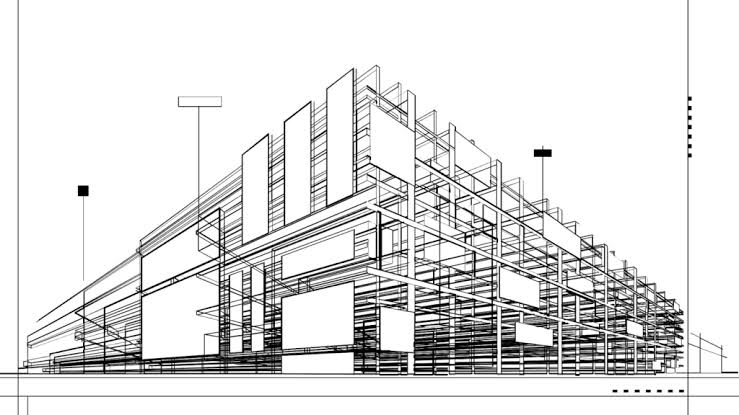
Complex structural builds need more than simple dimensional outlines; they demand highly detailed shop documents, manufacturing specifications, and precise structural details. An engineering approach ensures every line on paper corresponds directly to sound mechanical principles.
- System Integration: It ensures that building frameworks, heating layouts, and electrical grids co-exist without layout conflicts.
- Material Accuracy: It clearly specifies materials, thickness, and strict load limits to guarantee structural integrity.
- Code Compliance: It embeds local building safety rules directly into technical layouts to secure fast legal permits.
Key Specialized Plans for Modern Projects
[Design Sketch] -> [Engineering Integration] -> [Flawless On-Site Execution]
1. Structural Framework Layouts
These documents outline the literal skeleton of the building. They specify exactly how steel columns, concrete foundations, and timber beams support structural loads. Precise dimensioning prevents structural sagging or material fatigue over time.
2. Coordinated MEP Plans
Mechanical, Electrical, and Plumbing systems function as a building’s internal organs. Advanced drafting ensures ductwork avoids plumbing lines, and electrical boxes remain perfectly accessible, preventing on-site layout clashes.
3. Comprehensive Fabrication Blueprints
Fabrication drawings provide off-site manufacturers with exact specifications to build structural pieces. When these documents are accurate, modular pieces assemble seamlessly on-site without cutting or welding adjustments.
The Value of Specialized Technical Alliances
Entrusting project data to qualified architectural drafting companies safeguards your development from human error. Expert drafters utilize advanced Building Information Modeling (BIM) platforms to generate complete digital representations of your structure.
This digital framework helps field managers detect design clashes before breaking ground. Investing in technical accuracy lowers material waste, reduces labor delays, and optimizes your entire construction budget.
Key Takeaway: True construction efficiency relies on technical accuracy. Moving your structural projects from initial concept sketches to detailed, buildable specifications transforms potential structural hurdles into a smooth, predictable process.