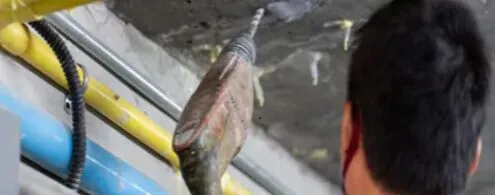
Buildings and infrastructure naturally experience wear and tear over time due to aging, moisture, changing environmental conditions, excessive loads, and poor construction practices. Ignoring early signs of structural damage can lead to expensive repairs and safety concerns in the future. This is why property owners increasingly invest in retrofitting services, PU grouting, and PU injection grouting to restore structural performance, improve durability, and prevent water leakage before the damage becomes severe. Unlike complete reconstruction, retrofitting and injection grouting offer cost-effective solutions that strengthen existing structures while minimizing operational downtime. Whether it is a residential basement, commercial building, industrial plant, parking structure, bridge, retaining wall, or underground tank, these specialized repair techniques extend service life and reduce maintenance costs. Understanding when and how these methods are used helps property owners make informed decisions before structural issues become major liabilities.
What Are Retrofitting Services?
Retrofitting services involve upgrading or strengthening an existing structure to improve its load-carrying capacity, durability, and resistance against deterioration. Instead of demolishing a damaged structure, engineers reinforce weak elements using modern repair techniques that restore structural integrity while preserving the original building. Retrofitting is commonly performed on aging buildings, industrial facilities, bridges, warehouses, schools, hospitals, and commercial complexes experiencing structural distress.
Modern retrofitting methods focus on improving the performance of beams, columns, slabs, foundations, and structural walls. Engineers first conduct detailed structural investigations to identify cracks, corrosion, settlement, overload, or material deterioration before selecting the most suitable strengthening technique. This customized approach ensures repairs address the root cause rather than merely covering visible defects.
Understanding PU Grouting
PU grouting, also called polyurethane grouting, is an advanced waterproofing technique used to stop active water leakage through cracks, construction joints, expansion joints, and honeycombs in concrete structures. The polyurethane material reacts rapidly with water, expands significantly, and creates a flexible waterproof barrier that permanently seals leakage paths without damaging the surrounding concrete.
Unlike conventional waterproof coatings that only protect surfaces, PU grouting works from inside the concrete. The injected material travels through hidden cracks and voids before expanding to block water ingress completely. This makes it one of the most reliable methods for repairing underground structures where external waterproofing is difficult or impossible.
What Is PU Injection Grouting?
PU injection grouting is a specialized repair process where polyurethane resin is injected into cracks using high-pressure injection equipment. Once injected, the resin expands upon contact with moisture and fills even microscopic voids inside concrete. The resulting waterproof seal prevents future leakage while accommodating minor structural movement without cracking.
This method is widely used because it provides quick results with minimal disruption to daily operations. Buildings remain functional during repairs, making PU injection grouting highly suitable for commercial facilities, manufacturing plants, metro stations, tunnels, parking basements, and water-retaining structures requiring continuous operation.
Why Water Leakage Should Never Be Ignored
Water penetration is one of the leading causes of structural deterioration worldwide. Continuous moisture exposure corrodes steel reinforcement, weakens concrete, causes surface spalling, encourages fungal growth, and damages interior finishes. Over time, even small leaks can compromise structural stability while increasing maintenance expenses significantly.
Early repair through PU injection grouting prevents water from reaching reinforcement steel and stops progressive deterioration before major rehabilitation becomes necessary. Addressing leakage promptly also protects electrical systems, machinery, inventory, and occupied spaces from water-related damage, helping property owners avoid unexpected operational interruptions.
Common Signs That Your Building Needs Retrofitting
Visible structural distress often indicates deeper underlying problems that require professional evaluation. Large structural cracks, uneven floors, excessive deflection, corrosion stains, exposed reinforcement, foundation settlement, roof leakage, concrete spalling, and vibration issues should never be ignored because they often indicate declining structural performance.
Buildings constructed decades ago may also require retrofitting to comply with current engineering standards and increased loading requirements. Industrial modifications, equipment upgrades, additional floors, or changes in building usage frequently increase structural demands beyond the original design capacity, making strengthening necessary for long-term safety.
Where PU Injection Grouting Is Commonly Used
PU injection grouting is suitable for numerous applications where water leakage affects structural performance or interior functionality. Underground basements, retaining walls, tunnels, lift pits, water tanks, swimming pools, sewage treatment plants, metro stations, foundation walls, expansion joints, and construction joints are among the most common locations requiring polyurethane injection.
Industrial buildings often benefit from PU grouting because leakage around machine foundations or underground service tunnels can interrupt operations. The ability to repair active leaks without excavation makes polyurethane injection one of the most practical waterproofing methods available today.
Step-by-Step PU Injection Grouting Process
The repair process begins with a detailed inspection to identify leakage sources and crack patterns. Engineers evaluate crack width, moisture condition, structural movement, and accessibility before preparing an appropriate injection strategy. Accurate diagnosis ensures the selected resin and injection pressure provide long-lasting waterproof performance.
After inspection, injection ports are installed along the crack path. High-pressure pumps inject polyurethane resin into the concrete until the material completely fills internal voids. As the resin reacts with moisture, it expands to seal leakage permanently. Finally, ports are removed, repaired surfaces are finished, and waterproof performance is verified through inspection.
Benefits of PU Grouting
One major advantage of PU grouting is its ability to stop active water leakage almost immediately. Because polyurethane expands after injection, it effectively seals complex crack networks that traditional repair methods often cannot reach. This internal sealing mechanism provides reliable waterproofing without requiring demolition or excavation.
PU grouting also reduces repair time significantly compared to conventional waterproofing systems. Since work can be completed from inside the structure, businesses experience minimal downtime while avoiding costly interruptions. Flexible polyurethane materials also tolerate minor structural movement without losing waterproof performance, increasing long-term reliability.
Advantages of Retrofitting Existing Structures
Retrofitting extends the useful life of buildings while eliminating the high cost associated with demolition and reconstruction. Strengthening existing structures conserves construction materials, reduces environmental impact, and minimizes project duration compared to complete rebuilding. This makes retrofitting an economically and environmentally responsible engineering solution.
Modern strengthening techniques also improve structural resilience against seismic activity, heavy loading, corrosion, and future deterioration. By restoring damaged structural members before extensive failure occurs, retrofitting significantly enhances occupant safety while preserving valuable infrastructure investments for decades.
Choosing the Right Injection Grouting Contractors
Selecting experienced injection grouting contractors plays a major role in repair quality and long-term performance. Contractors should possess expertise in structural diagnosis, waterproofing systems, polyurethane chemistry, injection equipment, and crack repair techniques rather than simply applying standard waterproof coatings.
Professional contractors conduct detailed site investigations before recommending repair methods. They select injection materials according to crack characteristics, water pressure, environmental conditions, and structural movement. Proper engineering evaluation ensures repairs solve the underlying problem instead of temporarily hiding visible leakage.
Difference Between PU Grouting and Cement Grouting
Although both techniques involve material injection, their applications differ significantly. Cement grouting primarily fills larger voids, stabilizes foundations, and strengthens soil or concrete. It performs well where structural filling is the primary objective but is less suitable for sealing active water leaks.
PU grouting specializes in waterproofing applications where moisture infiltration is the primary concern. Polyurethane expands rapidly after injection, creating a watertight seal that remains flexible over time. This flexibility allows the repair to accommodate slight movement without reopening leakage paths, making it highly effective for waterproofing concrete structures.
Industries That Benefit from Retrofitting and PU Injection Grouting
Many industries depend on structural rehabilitation and waterproofing to maintain safe operations. Manufacturing plants, pharmaceutical facilities, commercial buildings, residential complexes, airports, railway stations, educational institutions, hospitals, shopping malls, parking structures, and infrastructure projects regularly require these specialized repair services.
Underground infrastructure especially benefits from polyurethane injection because excavation is often impractical or prohibitively expensive. Repairing leakage internally allows operations to continue while extending the service life of valuable assets without major disruption.
How Early Repairs Save Money
Ignoring minor structural cracks or water seepage often results in expensive repairs later. Moisture continuously damages reinforcement, weakens concrete, increases corrosion, and accelerates deterioration throughout the structure. What initially appears to be a small leak can eventually require extensive rehabilitation if left untreated.
Investing in early retrofitting and PU injection grouting minimizes repair costs by preventing secondary damage. Timely intervention protects finishes, equipment, electrical installations, and structural components while avoiding costly business interruptions. Preventive maintenance consistently proves more economical than emergency structural restoration.
Maintenance After PU Injection Grouting
Although PU grouting provides durable waterproof protection, periodic inspections remain important for maintaining structural health. Regular monitoring identifies new cracks, settlement, joint movement, or environmental changes before significant deterioration develops. Preventive inspections help maximize the lifespan of previous repair work.
Property owners should also maintain roof drainage systems, expansion joints, waterproof membranes, and plumbing installations to reduce unnecessary moisture exposure. Combining preventive maintenance with professional inspections ensures repaired structures continue performing effectively under changing environmental conditions.
Professional For PU Injection Grouting
Selecting the right repair approach begins with accurate structural assessment rather than choosing a repair material alone. Every building presents unique challenges, including crack patterns, loading conditions, environmental exposure, and moisture behavior. Working with experienced engineering professionals ensures repairs are technically appropriate, durable, and cost-effective. For organizations seeking dependable structural rehabilitation and waterproofing expertise, Gubbi Civil Engineers Limited offers engineered solutions based on detailed investigation, modern repair technologies, and proven execution practices that prioritize long-term structural performance.
Retrofitting services, PU grouting, and PU injection grouting have become essential solutions for extending the life of aging buildings while preventing costly structural failures. These advanced repair techniques strengthen existing infrastructure, eliminate water leakage, improve durability, and restore safety without requiring complete reconstruction. Their versatility makes them suitable for residential, commercial, industrial, and infrastructure applications.
Whether dealing with persistent basement leakage, deteriorating concrete, structural cracks, or aging infrastructure, timely intervention by qualified injection grouting contractors can significantly reduce future maintenance costs and improve long-term building performance. Investing in professional structural rehabilitation today protects valuable assets, enhances safety, and ensures reliable service for many years to come.