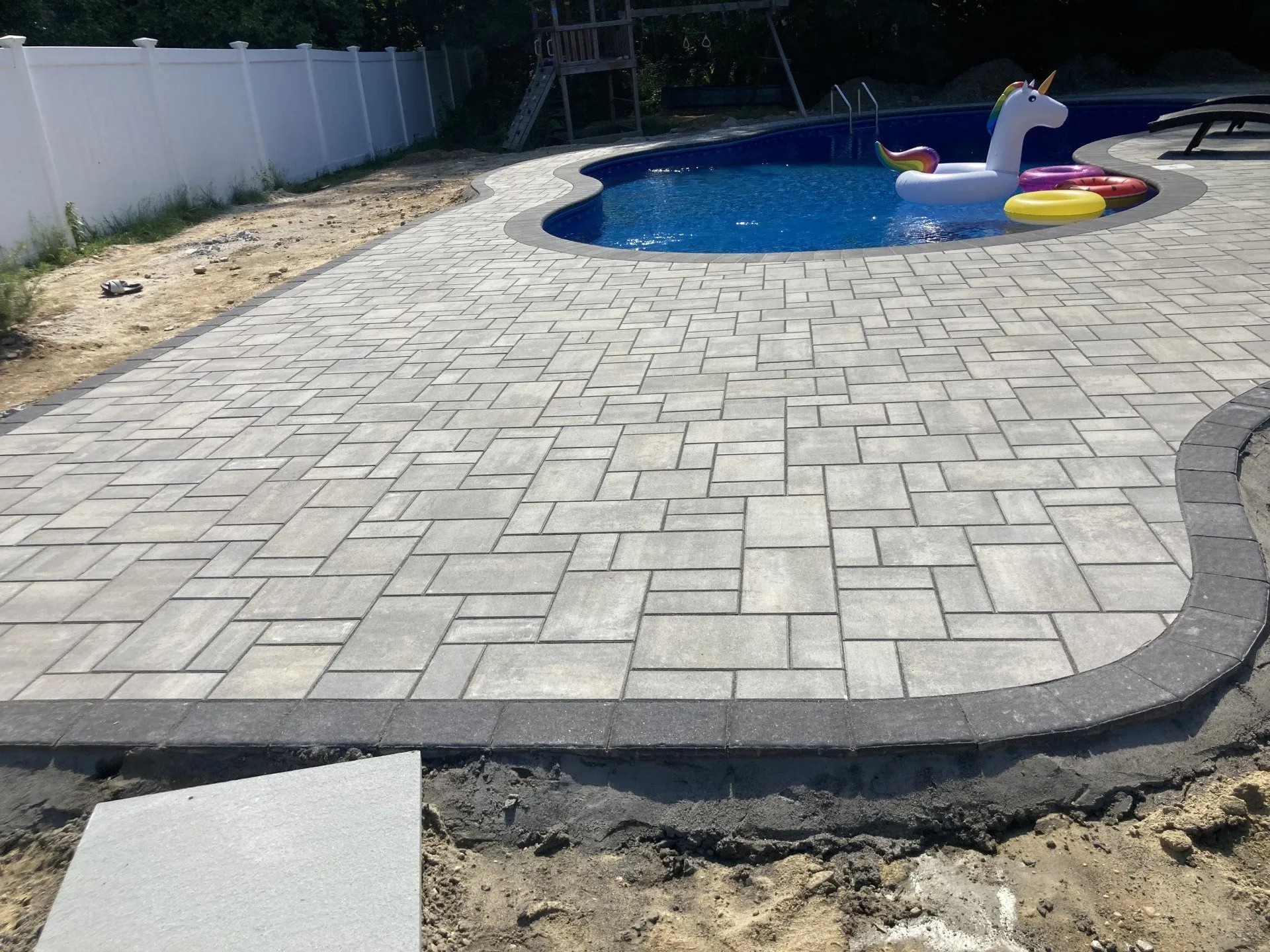
A stone patio is one of the most impactful upgrades a homeowner can make to their outdoor living area. It creates a defined space for dining, relaxing, or entertaining while adding lasting value to the property. For residents considering Stone Patio Installation Mount Sinai projects, the process starts with envisioning how the space will be used, whether that’s hosting summer gatherings or simply enjoying a quiet morning coffee outdoors.
Selecting the Right Stone for Your Patio
Not all stone is created equal when it comes to patio installation. Bluestone, flagstone, travertine, and pavers each bring distinct textures, colors, and price points to the table. The choice often depends on the home’s architectural style, the surrounding landscape, and how much foot traffic the area will receive. A natural-looking flagstone might suit a rustic property, while clean-cut pavers complement more modern designs.
Why Proper Base Preparation Matters
The longevity of any stone patio depends heavily on what’s beneath the surface. A compacted gravel base combined with a layer of sand creates a stable foundation that prevents shifting, sinking, and uneven settling over time. Skipping or rushing this step is one of the most common reasons patios fail within just a few years. Proper grading also ensures water drains away from the home rather than pooling on the surface.
Layout and Design Options to Consider
Patios don’t have to be simple rectangles. Curved edges, multi-level designs, and combinations of different stone patterns can add character and functionality to a space. Incorporating elements like fire pits, seating walls, or pathways that connect to other areas of the yard helps create a cohesive outdoor environment. Thoughtful layout planning ensures the patio feels like a natural extension of the home rather than an afterthought.
Dealing with Mount Sinai’s Seasonal Climate
Long Island winters bring freeze-thaw cycles that can be tough on outdoor surfaces. Stone patios installed with proper joint sand, edge restraints, and drainage considerations hold up far better against these seasonal shifts. Materials that are too porous may absorb water and crack when temperatures drop, so selecting stone suited to the local climate is an important part of the planning process.
Maintenance Tips to Keep Your Patio Looking New
Routine maintenance keeps a stone patio looking sharp for years. Sweeping debris, rinsing the surface periodically, and resealing every few years helps prevent staining and weed growth between joints. Addressing small cracks or shifting stones early prevents minor issues from becoming larger, more expensive repairs. A little seasonal upkeep goes a long way toward preserving both appearance and structural integrity.
Adding Lighting and Features for Evening Use
Many homeowners extend their patio’s usability into the evening hours with the addition of lighting features. Recessed lights along steps, string lighting overhead, or low-voltage fixtures built into seating walls create ambiance while improving safety. These additions turn a daytime gathering space into a year-round entertainment area that gets used far more often than a basic, unlit patio.
Working with Experienced Installers for Lasting Results
A stone patio represents a significant investment, and working with installers who understand proper techniques, material selection, and drainage solutions ensures that investment pays off. Experienced teams take the time to discuss design preferences, walk through material samples, and provide a realistic project timeline. The result is a patio that not only looks beautiful on day one but continues to perform well for many years afterward.