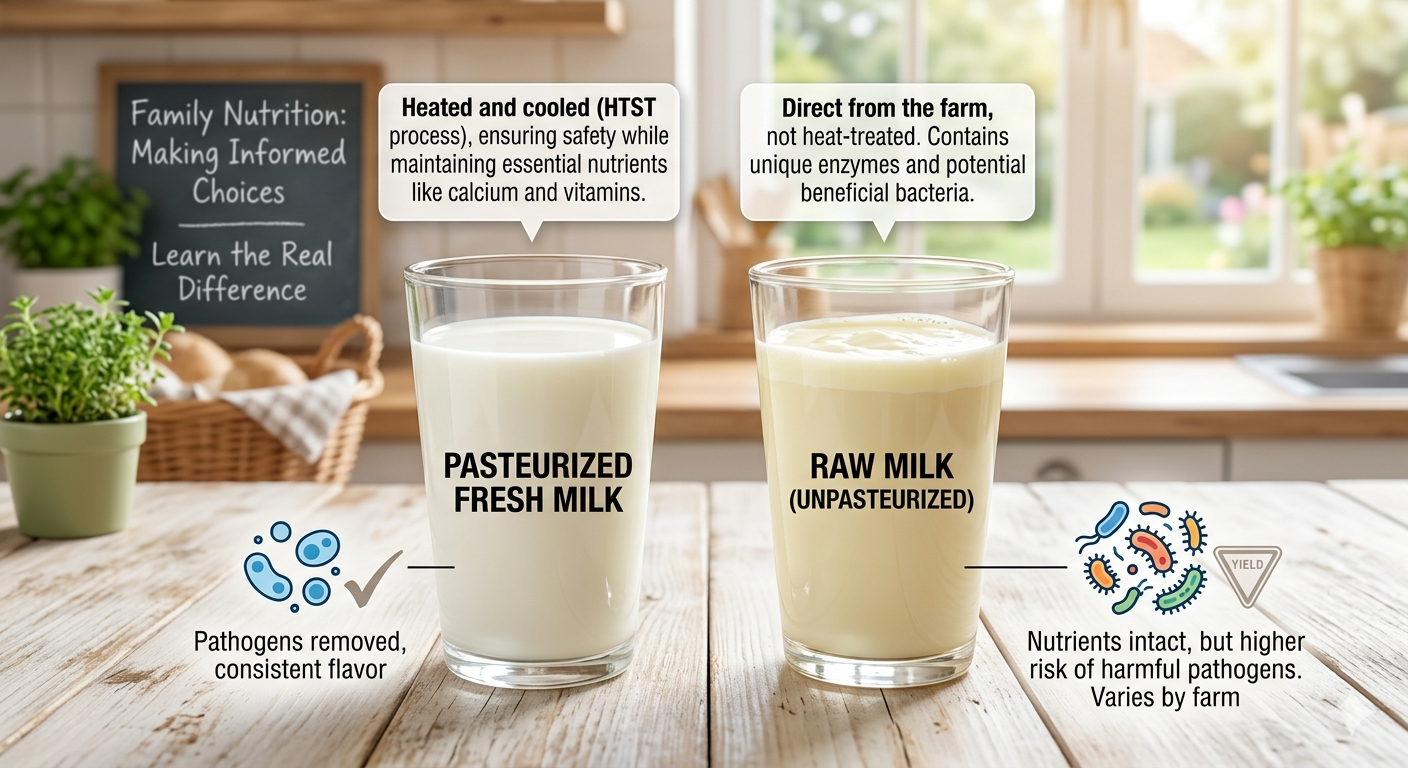
Milk has long been considered one of the most important foods for family nutrition. It provides essential nutrients that support growth, bone health, muscle development, and overall well-being. Whether served at breakfast, added to tea and coffee, or used in cooking, milk remains a daily staple in many UAE households.
As consumers become more interested in food quality and nutrition, questions often arise about the differences between pasteurized milk and raw milk. Some people believe raw milk offers unique benefits, while others prefer pasteurized milk because of its safety and convenience.
Understanding the real differences between these two types of milk can help families make informed decisions that align with their nutritional needs and lifestyle choices.
Why Milk Remains an Important Part of Family Nutrition
Milk is valued because it contains a variety of nutrients that support health throughout different stages of life.
Families who regularly consume fresh milk in uae often rely on dairy products as a source of:
- Calcium
- Protein
- Vitamin D
- Vitamin B12
- Potassium
- Phosphorus
These nutrients contribute to:
- Bone development
- Muscle function
- Healthy teeth
- Nervous system support
- Overall growth in children
Because milk is nutrient-dense and versatile, it continues to be a key component of balanced diets across the UAE.
What Is Pasteurized Milk?
Pasteurized milk is milk that has been heated to a specific temperature for a controlled period of time.
The purpose of pasteurization is to reduce potentially harmful bacteria while maintaining the milk’s nutritional quality.
The process was developed to improve food safety and has become a standard practice throughout the global dairy industry.
Benefits of pasteurized milk include:
- Improved food safety
- Longer shelf life
- Consistent quality
- Reduced risk of contamination
- Reliable storage and transportation
Most milk sold through supermarkets, grocery stores, and delivery services in the UAE undergoes pasteurization before reaching consumers.
What Is Raw Milk?
Unlike pasteurized milk, raw milk has not been heated through the pasteurization process.
It is collected directly from dairy animals and remains in its natural state before consumption.
Raw milk may come from:
- Cows
- Goats
- Camels
- Sheep
Supporters of raw milk often prefer it because they believe it is less processed and closer to its natural form.
However, because it does not undergo pasteurization, it requires careful handling and is frequently discussed in relation to food safety considerations.
Nutritional Differences Between Pasteurized and Raw Milk
One of the most common questions families ask is whether pasteurized and raw milk differ significantly in nutritional value.
Both types generally contain important nutrients such as:
- Protein
- Calcium
- Healthy fats
- Vitamins
- Minerals
While minor nutritional variations may occur, pasteurized milk continues to provide substantial nutritional benefits.
Scientific research has shown that pasteurization does not significantly reduce the key nutrients that make milk an important part of a healthy diet.
For most families, both options offer valuable nutritional contributions when consumed as part of a balanced eating plan.
Food Safety Is One of the Biggest Differences
When comparing pasteurized and raw milk, food safety is often the primary distinction.
Pasteurization helps reduce the presence of harmful microorganisms that may be naturally present in milk.
Potential bacteria can include:
- Salmonella
- E. coli
- Listeria
- Campylobacter
These microorganisms can cause foodborne illnesses if consumed.
Pasteurized milk is processed specifically to reduce these risks while maintaining product quality.
This is one reason why health authorities around the world often recommend pasteurized dairy products, particularly for vulnerable groups.
Which Option Is Better for Children?
Families with young children often prioritize safety when selecting dairy products.
Children require nutrients that support:
- Growth
- Bone development
- Cognitive function
- Immune health
Pasteurized milk offers these nutritional benefits while providing an additional level of food safety.
For many parents, this makes it a practical and trusted choice for everyday consumption.
As always, parents should follow professional nutritional guidance appropriate for their children’s specific needs.
Understanding Taste and Texture Differences
Taste preferences vary from person to person.
Some consumers report that raw milk has:
- A richer taste
- A creamier texture
- More noticeable flavor variations
Pasteurized milk is often described as:
- Smooth
- Consistent
- Mild in flavor
- Uniform in texture
The taste difference may be influenced by:
- Animal diet
- Milk fat content
- Processing methods
- Storage conditions
Neither option is universally better in terms of flavor, as personal preference plays a major role.
Shelf Life and Convenience
Modern lifestyles often require products that are easy to store and use.
Pasteurized milk generally offers:
- Longer shelf life
- Easier transportation
- Improved convenience
- More predictable freshness
This can be especially important in the UAE’s warm climate, where maintaining proper refrigeration is essential.
Families who purchase dairy products regularly often appreciate the convenience and reliability associated with pasteurized milk.
How Dairy Quality Is Maintained in the UAE
The UAE has developed strong food safety and dairy quality systems to support consumer confidence.
Quality measures often include:
- Farm inspections
- Cold chain logistics
- Product testing
- Hygiene monitoring
- Regulatory oversight
These systems help ensure dairy products meet established standards before reaching consumers.
When purchasing milk, consumers can further protect quality by:
- Buying from trusted suppliers
- Checking expiration dates
- Maintaining refrigeration
- Inspecting packaging
These simple steps support freshness and food safety.
Common Myths About Pasteurized and Raw Milk
Myth 1: Pasteurized Milk Has No Nutritional Value
Pasteurized milk remains a valuable source of protein, calcium, vitamins, and minerals.
Myth 2: Raw Milk Is Always More Nutritious
Although small differences may exist, both types provide important nutrients that contribute to healthy diets.
Myth 3: Healthy Animals Guarantee Safe Milk
Even healthy animals can carry bacteria that may contaminate milk during collection.
Myth 4: Pasteurization Makes Milk Artificial
Pasteurization is simply a heat treatment process designed to improve food safety.
Myth 5: Raw Milk Always Tastes Better
Taste is subjective and depends on individual preferences.
Helpful Tips for Families Choosing Milk
Understand Your Family’s Needs
Different households may prioritize:
- Nutrition
- Convenience
- Taste
- Food safety
Read Product Labels
Labels provide valuable information about processing methods and nutritional content.
Store Milk Properly
Always keep milk refrigerated according to manufacturer recommendations.
Purchase from Reliable Suppliers
Choose trusted retailers and dairy providers with strong quality standards.
Maintain a Balanced Diet
Milk is only one component of overall nutrition. Combine dairy products with fruits, vegetables, proteins, and whole grains for balanced meals.
Frequently Asked Questions
What is the main difference between pasteurized and raw milk?
Pasteurized milk undergoes heat treatment to reduce harmful bacteria, while raw milk does not.
Does pasteurization remove nutrients?
Pasteurized milk continues to provide essential nutrients such as calcium, protein, vitamins, and minerals.
Is pasteurized milk safer?
Pasteurization is specifically designed to reduce food safety risks associated with harmful microorganisms.
Which milk is better for children?
Many health professionals recommend pasteurized milk because it combines nutritional benefits with improved food safety.
Does raw milk taste different?
Some consumers describe raw milk as richer or creamier, although taste preferences vary.
How should milk be stored?
Milk should be refrigerated promptly and kept at recommended storage temperatures.
Can both types support family nutrition?
Yes. Both contain important nutrients, although safety and handling considerations differ.
Final Words
Milk remains one of the most valuable foods for family nutrition, providing essential nutrients that support healthy growth and overall well-being. Understanding the differences between pasteurized and raw milk allows families to make informed choices based on their priorities, preferences, and lifestyle needs.
While both options offer nutritional benefits, pasteurized milk provides an additional layer of food safety that many families appreciate. This is particularly important for children, older adults, and individuals who may be more vulnerable to foodborne illnesses.
By focusing on quality, freshness, proper storage, and trusted suppliers, UAE families can confidently include dairy products as part of a healthy and balanced diet.