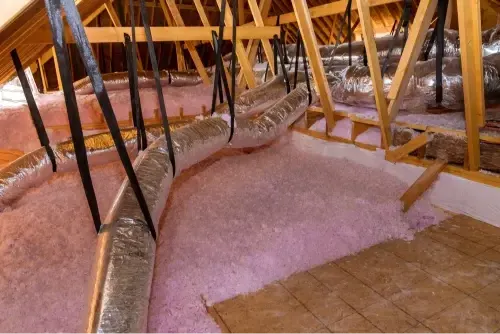
Drafty rooms often stem from gaps in your home’s thermal boundary where air leaks and heat transfer occur. You can solve this problem by choosing fiberglass insulation services to create a stable indoor climate and reduce your monthly utility costs. These services involve installing spun glass fibers in wall cavities, attics, and crawl spaces to block heat transfer.
This guide provides a detailed look at how professional installation solves temperature imbalances. You will learn about materials, costs, and the technical steps required to secure your home. Industry experts recommend these upgrades as a primary step for any property owner looking to improve energy efficiency and comfort.
Why Fiberglass Remains a Top Choice for Homeowners
Fiberglass is one of the most widely used materials because it is naturally fire-resistant and does not shrink over time. It works by trapping small pockets of air within the glass fibers, which slows the rate at which heat enters or leaves your living space.
- It provides a high R-value per inch of thickness.
- The material is cost-effective compared to specialized foams.
- It serves as an excellent sound barrier between rooms.
- Modern versions use recycled glass, making it a greener choice.
How Does Fiberglass Stop Indoor Drafts?
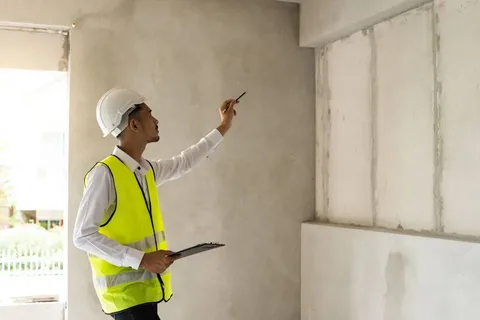
When a Fiberglass Insulation Contractor evaluates your home, they look for areas where the existing material has settled or where air gaps exist. By filling these voids, you stop the “stack effect,” in which warm air rises and draws cold air in through the lower levels of the house.
- Technicians seal gaps around electrical outlets and pipes first.
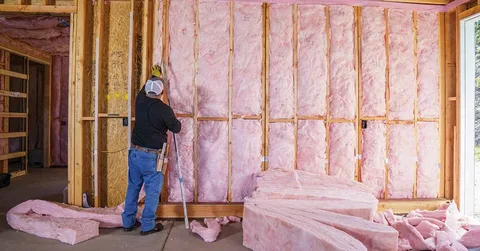
- They ensure the material fits tightly against the framing.
- Properly installed batts prevent convection loops inside walls.
- Continuous layers in the attic stop heat from escaping through the roof.
Bonus Tip: Always check the paper backing on the insulation. This “kraft face” acts as a vapor retarder and should usually face the heated side of the room to prevent moisture buildup.
Comparing Common Insulation Forms
Different areas of your home require different application methods to be effective. Choosing the right form ensures you get the best performance for your specific layout and budget.
| Insulation Type | Best Use Case | Installation Method |
|---|---|---|
| Pre-cut Batts | Standard wall studs and floor joists | Manual placement and stapling |
| Rolls (Blankets) | Long, unobstructed attic floors | Unrolling between rafters |
| Loose-Fill (Blown-in) | Hard-to-reach corners and existing walls | Machine-assisted blowing through a hose |
| Rigid Boards | Exterior walls and basement foundations | Mechanical fastening to surfaces |
The Importance of Professional Installation Steps
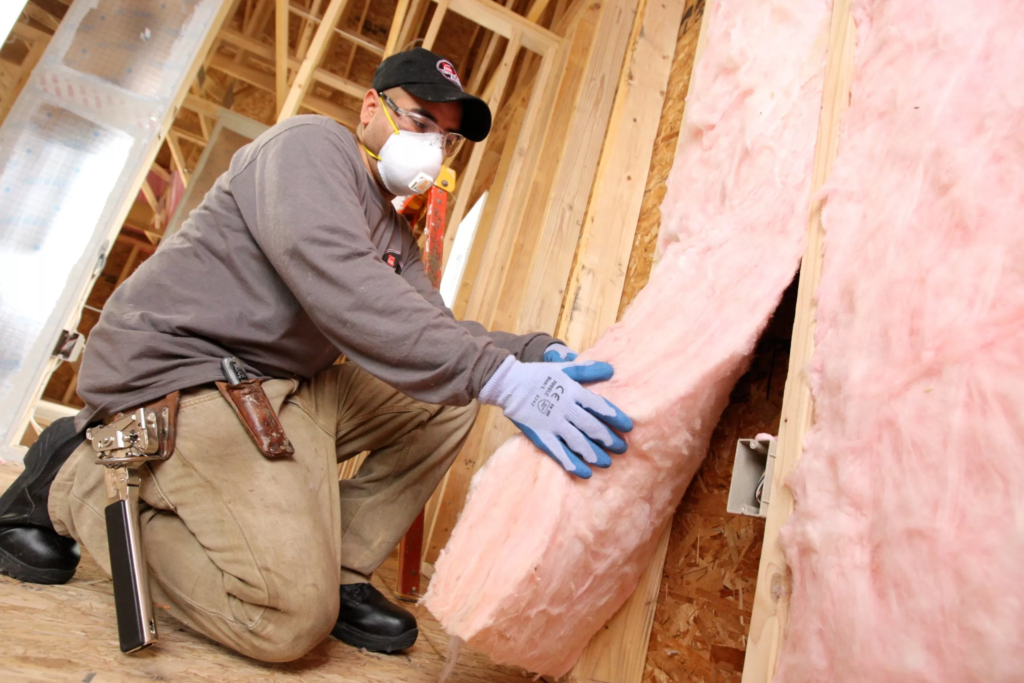
A DIY approach often leads to compressed material, which significantly reduces its effectiveness. A professional fiberglass insulation installation ensures that the glass fibers remain fluffy and full of air, which is what actually provides the thermal resistance.
- Pros use specialized tools to cut around obstructions perfectly.
- They handle the material safely to avoid skin and lung irritation.
- Experts know how to maintain ventilation in the attic while insulating.
- They can identify hidden moisture issues before covering them up.
Regional Climate Considerations for Better Comfort
If you live in a region with harsh winters, you need a higher R-value in your attic to keep the heat from escaping. In warmer climates, the focus shifts to preventing the sun’s heat from radiating through the roof into your cooling system.
- Northern zones often require R-49 to R-60 in the attic.
- Southern zones usually perform well with R-30 to R-38.
- Humid areas require careful attention to vapor barriers.
- Coastal homes benefit from the inorganic nature of glass fibers.
Bonus Tip: If you have an older home, you might have settled material that only needs a “top-off” with blown-in fibers rather than a full replacement.
Things to Consider Before Starting Your Project
Before you hire a team, assess your property’s current state to ensure the upgrade delivers the best return. Not every draft is caused by the insulation alone, so a holistic view is necessary.
- Check for existing water damage or roof leaks that could ruin new material.
- Evaluate if your current ventilation system is adequate for the attic.
- Determine if you need to remove old, dusty, or contaminated materials first.
- Look for local energy rebates that might cover part of the cost.
Finding Expert Support for Your Home Energy Needs
If you are tired of wearing sweaters indoors or seeing your energy bills climb, reaching out to a specialist is the smartest move. Companies like Summit Thermal Solutions offer comprehensive evaluations to find exactly where your home is losing energy. You can contact their team at (573) 889-3512 or via email at [email protected] to discuss your specific needs. They provide services ranging from attic top-offs to full residential removals and replacements. Getting a free quote from a reputable provider allows you to plan your budget effectively while ensuring your home remains a comfortable sanctuary in every season.
Summary of Key Benefits for Your Home
Upgrading your home with Fiberglass Insulation Services is a reliable way to fix uneven temperatures. By working with a qualified Fiberglass Insulation Contractor, you ensure the material is handled correctly and fits the specific dimensions of your home. This investment not only makes your rooms more comfortable but also protects your HVAC system from overworking. Always prioritize a thorough inspection and professional fiberglass insulation installation to get the longest lifespan and best performance from your thermal barriers. Evaluate your current comfort levels and take the steps to secure your property today.
Common Questions About Fiberglass Solutions
How long does fiberglass insulation typically last?
It can last up to 80 to 100 years if it remains dry and undisturbed. However, you should check it every 15 years to ensure it hasn’t settled or been damaged by pests.
Is fiberglass better than cellulose for attics?
Fiberglass does not settle as much as cellulose and is naturally fire-resistant without added chemicals. It is often preferred in areas where moisture might be a slight concern.
Can you install new fiberglass over old insulation?
Yes, as long as the old material is not wet, moldy, or filled with debris. Adding a new layer of blown-in fibers over existing batts is a common way to increase R-value.
Will this help reduce outside noise?
Yes, the dense glass fibers act as a sound absorber. It significantly reduces the amount of street noise or neighbor activity that enters your home through the walls.
Does fiberglass insulation attract pests?
Fiberglass is not a food source for insects or rodents. While they can sometimes nest in it, it is much less attractive to them than organic materials like wood or paper.