
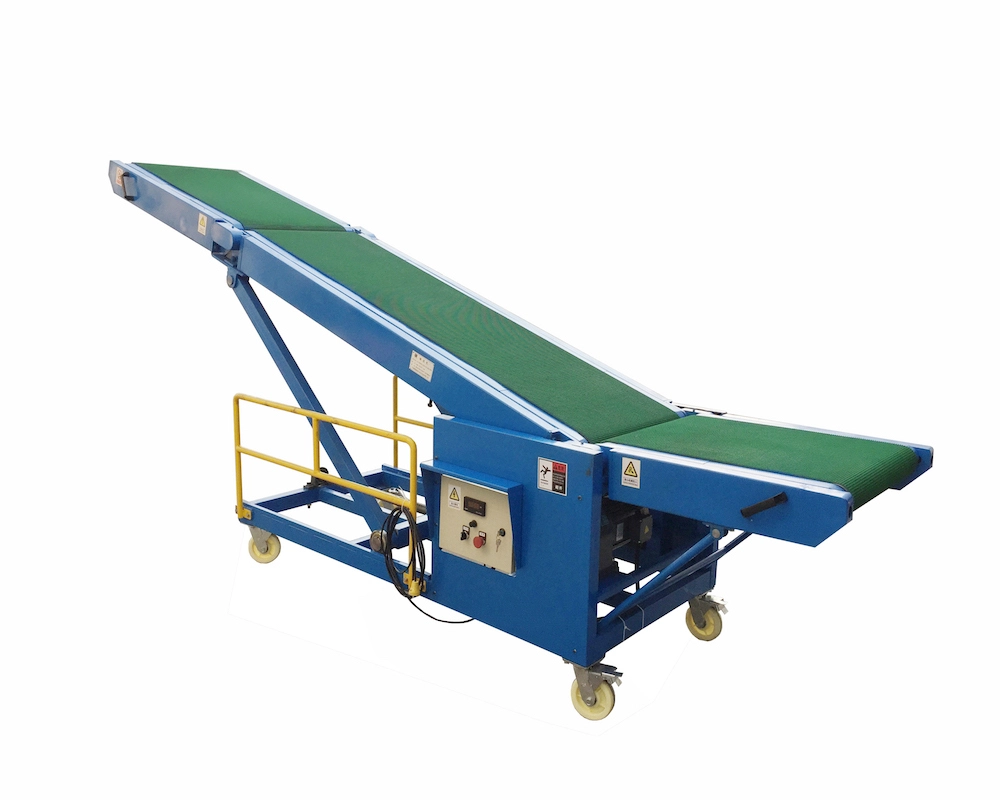
Automation often gets associated with large enterprise operations with substantial capital budgets, leaving smaller and medium-sized businesses to assume that loading conveyor systems are simply out of reach for their scale of operation. This assumption isn’t accurate, and a growing range of cost-effective automation options now make loading conveyor technology genuinely accessible to businesses that once relied entirely on manual labor for practical budget reasons. Understanding these more accessible options opens up efficiency gains that were previously reserved for larger competitors.
Rethinking Automation as an SMB Investment
Smaller businesses often assume automation requires the same scale of investment that large distribution centers make, but the reality is considerably more nuanced, with entry-level and mid-range loading conveyor systems available at price points that fit more modest operational budgets. Many manufacturers now specifically design product lines aimed at smaller operations, recognizing this underserved market segment represents genuine growth opportunity within the broader industry. This shift in manufacturer focus has made quality automation considerably more accessible than it was even a few years ago.
Calculating Return on Investment for Smaller Operations
The math behind loading conveyor investment often works out favorably even for smaller businesses, particularly when factoring in reduced labor costs, fewer injury-related expenses, and the ability to handle growing volume without proportionally expanding headcount. A smaller operation loading just a handful of trucks daily can still see meaningful efficiency gains, and the relative impact on a smaller team’s workload can actually be more noticeable than in a larger operation with more staff to absorb inefficiency. Running these numbers specifically for your own operation often reveals a more favorable return timeline than initially expected.
Portable Systems as an Accessible Entry Point
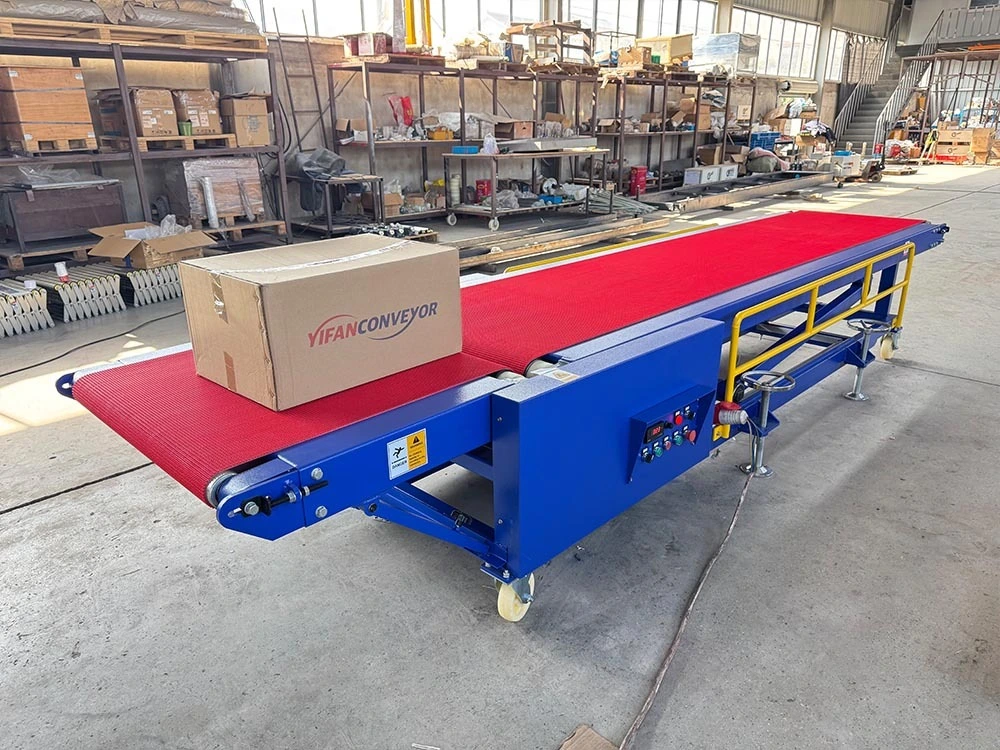
Portable lorry loading conveyor systems offer a particularly accessible entry point for smaller businesses, since a single portable unit can serve multiple dock doors or locations without requiring separate fixed installations at every point of use. This flexibility reduces the total capital investment needed to achieve meaningful loading efficiency improvements, making automation accessible even for businesses operating from a single, smaller facility. Many small and medium businesses start with a single portable unit before expanding their automation footprint as the benefits become clear.
Financing and Leasing Options Worth Exploring
Beyond outright purchase, many manufacturers and equipment dealers now offer financing or leasing arrangements that spread the cost of loading conveyor equipment over time, making the monthly cost more manageable for businesses with tighter cash flow constraints. These arrangements can make sense particularly for businesses experiencing rapid growth, where preserving cash for other operational needs matters more than owning equipment outright from day one. Exploring these options with a few different suppliers often reveals more flexibility than businesses initially assume is available.
Building a Case for Automation Within Your Organization
For smaller businesses, building an internal case for automation investment often requires clearly demonstrating the specific pain points that manual loading creates, from staffing challenges to injury costs to lost capacity during busy periods. Gathering this data before approaching decision-makers, whether that’s a business owner or a management team, helps ground the conversation in concrete operational realities rather than abstract efficiency claims. This kind of grounded, evidence-based case tends to be considerably more persuasive than general arguments about automation trends across the broader industry.