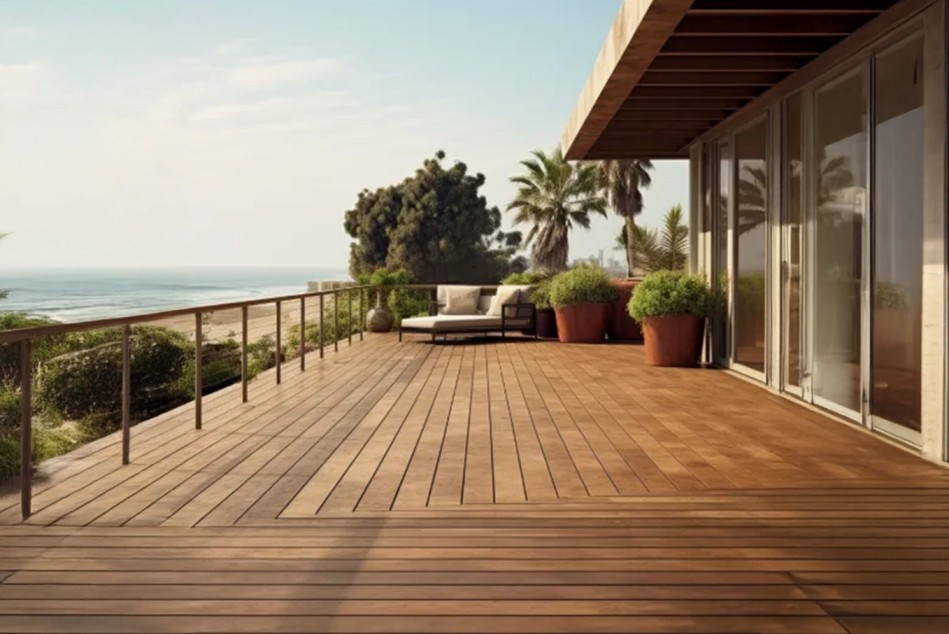
In contemporary architecture, few materials offer the combination of beauty, durability, and versatility quite like hardwood cladding. As homeowners, architects, and builders increasingly seek natural materials that enhance both aesthetics and performance, hardwood cladding has emerged as one of the most popular choices for residential and commercial projects across Australia.
Whether used as an exterior façade, feature wall, soffit, or interior design element, hardwood cladding provides a timeless appearance while delivering the durability required to withstand Australia’s diverse climate conditions. Its ability to blend seamlessly with modern architectural styles while maintaining a natural and welcoming character makes it a preferred material for countless construction projects.
Premium suppliers such as Melbourne Timber Supplies continue to support architects, builders, and homeowners with quality hardwood cladding solutions that combine performance with exceptional visual appeal.
What Is Hardwood Cladding?
Hardwood cladding consists of timber boards or panels installed on walls, façades, ceilings, or other architectural surfaces to create a protective and decorative finish.
Unlike traditional wall materials, hardwood cladding introduces natural texture, warmth, and character while also contributing to the overall performance of a building.
Common applications include:
- Exterior house façades
- Feature walls
- Commercial buildings
- Hospitality venues
- Soffits and ceilings
- Outdoor entertainment areas
- Architectural screening features
The versatility of hardwood cladding allows designers to create unique spaces that balance modern aesthetics with natural beauty.
Why Hardwood Cladding Is Growing in Popularity?
The popularity of hardwood cladding can be attributed to several factors.
Today’s homeowners and developers increasingly prioritize:
- Natural materials
- Sustainable building practices
- Architectural distinction
- Long-term durability
- Low-maintenance solutions
Hardwood cladding addresses all of these priorities while offering a premium appearance that enhances property value and design appeal.
As a result, timber cladding has become a key feature in many contemporary Australian homes and commercial developments.
Natural Beauty That Never Goes Out of Style
One of the greatest advantages of hardwood cladding is its visual appeal.
Each timber board features unique grain patterns, textures, and colour variations that create a distinctive appearance impossible to replicate with synthetic materials.
Unlike manufactured products that may appear repetitive or artificial, hardwood offers:
- Authentic character
- Rich natural tones
- Architectural warmth
- Timeless elegance
Whether left to weather naturally or finished with protective coatings, hardwood cladding continues to deliver visual impact throughout its lifespan.
Perfect for Modern Australian Architecture
Modern Australian architecture often emphasizes clean lines, open spaces, and strong connections between indoor and outdoor environments.
Hardwood cladding complements these design principles exceptionally well.
It works beautifully alongside:
- Glass façades
- Concrete elements
- Steel structures
- Stone finishes
- Landscaped outdoor spaces
The natural warmth of timber helps soften contemporary designs, creating homes and buildings that feel both sophisticated and welcoming.
This balance between modern design and natural materials has made hardwood cladding a favourite among architects nationwide.
Exceptional Durability and Strength
Beyond aesthetics, hardwood cladding is valued for its durability.
Premium Australian hardwood species are known for their strength and resistance to environmental stresses.
Benefits include:
- Long service life
- Structural stability
- Resistance to wear
- Strong performance in varying climates
Popular hardwood species used for cladding include:
Spotted Gum
Highly durable with attractive natural colour variation.
Blackbutt
Known for strength and clean visual appeal.
Victorian Ash
Popular for its light colour and versatility.
Ironbark
Offers exceptional hardness and durability.
When properly installed and maintained, hardwood cladding can provide decades of reliable performance.
Suitable for Australia’s Diverse Climate
Australia experiences a wide range of environmental conditions, including:
- Intense sun exposure
- Heavy rainfall
- Coastal environments
- Humidity fluctuations
- Temperature extremes
Quality hardwood cladding performs well across many of these conditions when appropriate timber species are selected.
Hardwood’s natural strength and resilience help it withstand environmental challenges while maintaining structural integrity and appearance.
This makes it a practical choice for both urban and regional projects throughout Australia.
Enhancing Property Value
Property owners are increasingly viewing design features as long-term investments.
Hardwood cladding contributes to property value by enhancing:
- Street appeal
- Architectural distinction
- Marketability
- Perceived quality
Potential buyers often associate timber cladding with premium construction and thoughtful design.
For developers, the addition of hardwood cladding can help create visually striking projects that stand out in competitive property markets.
Sustainable Building Benefits
Sustainability remains a major focus within the construction industry.
When sourced responsibly, hardwood timber offers several environmental advantages.
These include:
Renewable Resource Potential
Responsibly managed forests support ongoing timber production.
Carbon Storage
Timber stores carbon throughout its lifespan.
Lower Embodied Energy
Compared with many manufactured materials, timber production often requires less energy.
Reduced Environmental Impact
Sustainable forestry practices help preserve natural resources.
These benefits make hardwood cladding attractive for environmentally conscious projects.
Versatile Design Possibilities
Hardwood cladding offers remarkable design flexibility.
Architects and designers can choose from various:
- Profiles
- Widths
- Thicknesses
- Installation patterns
- Finishes
Popular installation styles include:
Horizontal Cladding
Creates a contemporary and expansive appearance.
Vertical Cladding
Adds height and visual impact.
Mixed Orientation Designs
Introduces architectural creativity and unique visual effects.
This flexibility allows hardwood cladding to adapt to virtually any design vision.
Internal Applications Continue to Expand
Although often associated with exterior walls, hardwood cladding is increasingly used inside homes and commercial buildings.
Interior applications include:
Feature Walls
Create focal points in living rooms, offices, and reception areas.
Ceiling Treatments
Add warmth and texture to interior spaces.
Hallways and Entryways
Enhance first impressions.
Commercial Fit-Outs
Provide natural character within retail and hospitality environments.
These applications demonstrate the versatility of hardwood beyond traditional exterior use.
Low Maintenance Requirements
Another reason for hardwood cladding’s popularity is its relatively manageable maintenance needs.
Routine care typically includes:
- Periodic cleaning
- Visual inspections
- Recoating when desired
Many hardwood species naturally weather over time, developing attractive silver-grey tones.
Alternatively, protective coatings can help preserve original colour and appearance.
Both approaches offer appealing long-term results depending on design preferences.
Improved Thermal and Acoustic Performance
Hardwood cladding can contribute to overall building performance.
Benefits may include:
Thermal Advantages
Timber helps regulate temperature fluctuations.
Acoustic Benefits
Natural timber surfaces can assist with sound management.
While cladding alone is not a complete insulation solution, it can contribute positively to overall building comfort when integrated into well-designed construction systems.
Why Builders and Architects Prefer Hardwood Cladding?
Professionals continue to specify hardwood cladding because it offers an ideal combination of:
- Performance
- Design flexibility
- Sustainability
- Durability
- Long-term value
Its ability to enhance both residential and commercial projects makes it one of the most versatile architectural materials available today.
As design trends increasingly favour natural materials, hardwood cladding remains highly relevant across diverse project types.
Selecting the Right Hardwood Cladding Supplier
The success of any cladding project depends heavily on product quality and supplier expertise.
Working with experienced suppliers helps ensure:
- Appropriate timber selection
- Consistent product quality
- Technical guidance
- Reliable supply
- Long-term performance
Trusted suppliers such as Melbourne Timber Supplies provide a wide range of premium hardwood cladding options suitable for residential, commercial, and architectural projects.
Hardwood cladding continues to redefine modern Australian architecture by offering the perfect blend of durability, sustainability, and design excellence. Its natural beauty, long lifespan, and architectural versatility make it an outstanding choice for both residential and commercial applications.
From striking building façades and feature walls to sophisticated interior spaces, hardwood cladding delivers a timeless appeal that enhances property value and visual impact. As homeowners, architects, and builders continue to embrace natural materials and sustainable design, hardwood cladding is set to remain one of Australia’s most sought-after architectural solutions for years to come.