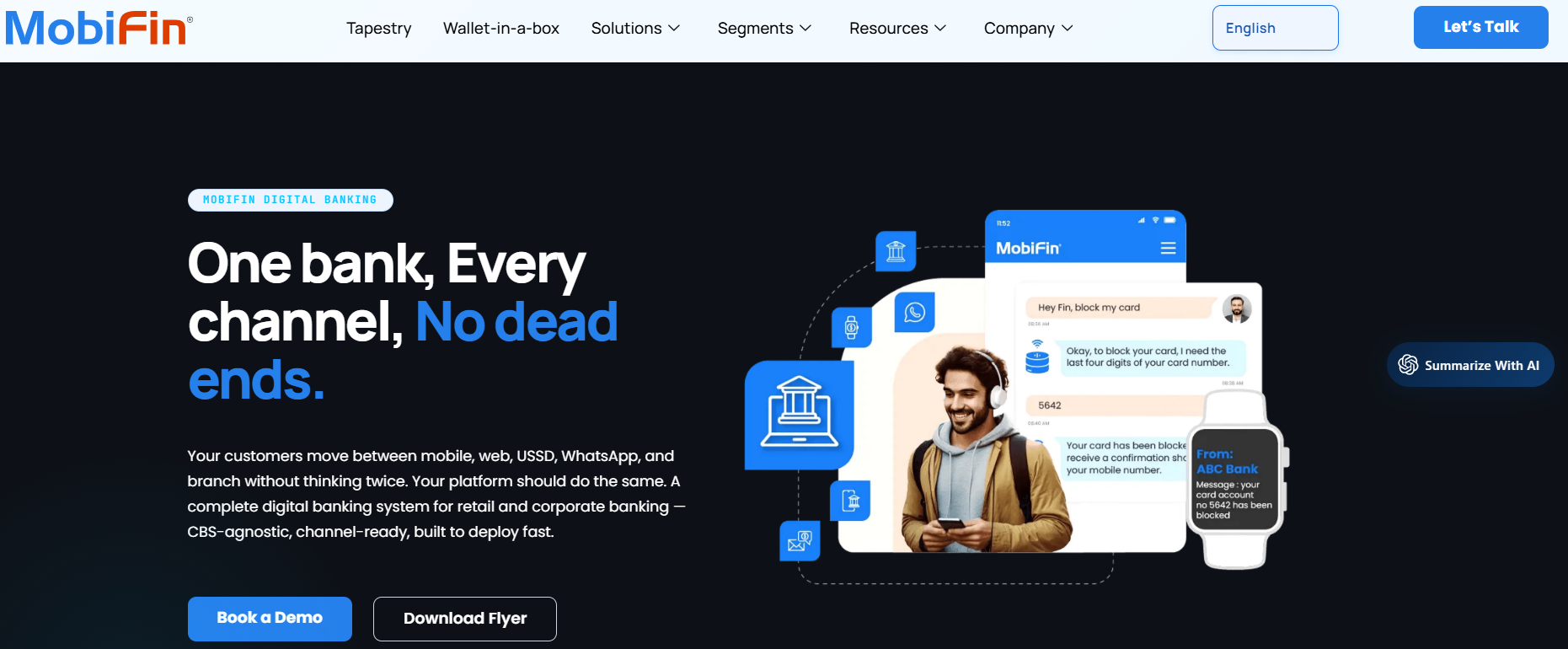
The financial services industry has undergone a dramatic transformation over the past decade. Driven by technological advancements, changing customer expectations, and increasing competition from fintech companies, traditional banking institutions are rethinking how they engage with customers. At the center of this transformation lies the digital banking platform—a technology framework that enables banks and financial institutions to deliver seamless, secure, and personalized services across multiple channels.
Digital banking is no longer simply an extension of traditional banking services. It has become the primary way customers interact with financial institutions. From account management and fund transfers to loan applications and financial planning, customers now expect banking services to be available instantly through mobile devices and online platforms.
The Rise of Customer-Centric Banking
Today’s consumers demand convenience. They expect to access financial services whenever and wherever they choose. Long queues, paperwork, and branch visits are increasingly viewed as unnecessary obstacles.
Digital banking platforms enable financial institutions to meet these expectations by offering:
- Mobile banking applications
- Internet banking portals
- Digital onboarding
- Instant fund transfers
- Bill payments
- Personalized financial insights
By placing customers at the center of the banking experience, institutions can improve satisfaction and strengthen long-term relationships.
Omnichannel Banking Experience
One of the most significant advantages of modern digital banking platforms is their ability to provide an omnichannel experience.
Customers may begin a transaction on a mobile app, continue it through a web portal, and seek assistance via chatbot or customer support. Modern platforms ensure that information remains synchronized across all channels.
This consistency improves user experience while reducing friction throughout the customer journey.
Digital Onboarding and Customer Acquisition
Traditional account opening processes often involve extensive paperwork and multiple branch visits.
Digital banking platforms streamline customer onboarding through:
- Electronic KYC verification
- Biometric authentication
- Digital document submission
- Automated compliance checks
These capabilities reduce onboarding times from days to minutes while helping institutions acquire customers more efficiently.
Personalization Through Data Analytics
Digital platforms collect valuable customer data that can be used to personalize financial services.
Advanced analytics can help institutions:
- Recommend relevant products
- Identify spending patterns
- Provide savings recommendations
- Detect fraud
- Improve customer engagement
Personalized experiences increase customer loyalty and encourage greater use of financial products.
Enhanced Security and Compliance
Security remains one of the most important considerations in digital banking.
Modern platforms utilize:
- Multi-factor authentication
- End-to-end encryption
- Real-time fraud monitoring
- AI-powered threat detection
- Regulatory compliance automation
These technologies help protect customer information while maintaining compliance with industry regulations.
Open Banking and API Integration
Open banking is transforming how financial services are delivered.
API-driven digital banking platforms enable institutions to integrate with:
- Fintech applications
- Payment providers
- Lending systems
- Insurance platforms
- Third-party financial services
This flexibility allows banks to offer innovative services while accelerating digital transformation initiatives.
Operational Efficiency and Cost Reduction
Digital banking platforms automate many processes traditionally handled manually.
Benefits include:
- Reduced operational costs
- Faster transaction processing
- Lower paperwork requirements
- Improved workforce productivity
- Better resource allocation
Financial institutions can focus on strategic initiatives rather than routine administrative tasks.
Supporting Financial Inclusion
Digital banking plays a critical role in expanding financial access.
Mobile-first banking solutions help reach:
- Rural populations
- Underbanked communities
- Small businesses
- Emerging markets
By reducing dependency on physical branches, digital platforms make financial services accessible to broader populations.
The Role of Artificial Intelligence
AI is becoming an essential component of digital banking.
Applications include:
- Virtual assistants
- Fraud detection
- Credit assessment
- Personalized recommendations
- Customer support automation
AI-powered systems help institutions deliver faster and more intelligent services while improving operational efficiency.
Future Trends in Digital Banking
Several trends are shaping the future of digital banking:
- Embedded finance
- AI-driven banking experiences
- Composable banking architecture
- Real-time payments
- Open finance ecosystems
- Hyper-personalization
Institutions that embrace these innovations will be better positioned to compete in the evolving financial landscape. Digital banking platforms have fundamentally transformed how financial institutions interact with customers. By enabling seamless, secure, and personalized financial experiences, these platforms help banks improve customer satisfaction, increase operational efficiency, and drive innovation.
As customer expectations continue to evolve, investing in advanced digital banking infrastructure will remain a critical priority for financial institutions seeking long-term growth and competitiveness.