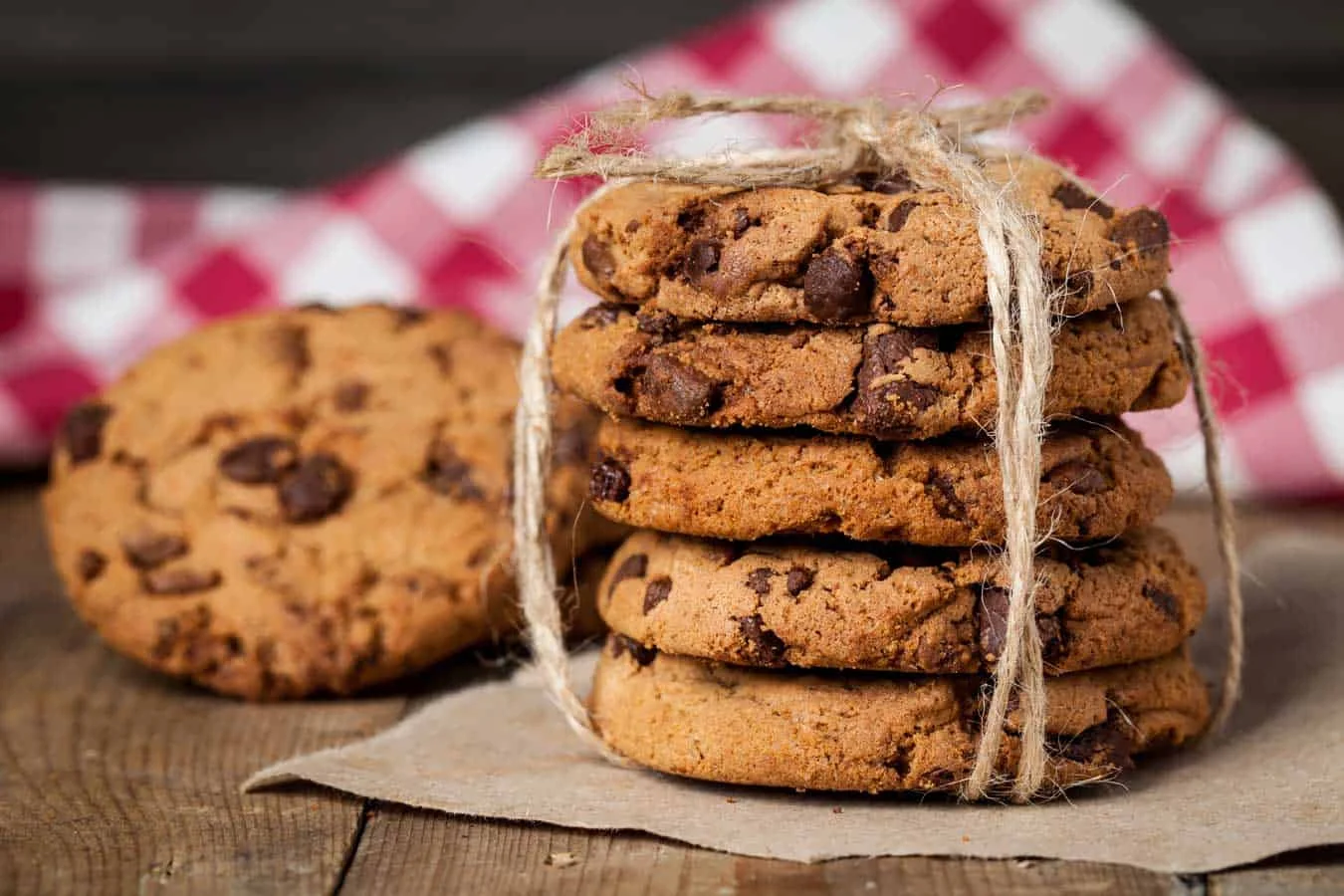
Fresh homemade cookies bring warmth, comfort, and rich flavor that packaged treats rarely match. Great results begin with quality ingredients, careful preparation, and proper storage methods that preserve texture for longer. Gourmet Homemade Cookies remain popular because they combine simple ingredients with thoughtful baking techniques that deliver soft centers, crisp edges, and delicious flavor, making every batch enjoyable from the first cookie to the last.
Choosing High-Quality Ingredients Makes a Big Difference
Quality ingredients create the foundation of cookies that stay fresh and flavorful. Fresh butter provides richness, real vanilla extract adds natural aroma, and high-quality flour gives cookies the right structure. Fresh eggs help blend ingredients smoothly while supporting a soft texture. Brown sugar contributes moisture, and white sugar helps create lightly crisp edges. Baking soda or baking powder should always be fresh because expired leavening agents reduce lift and texture. Selecting premium ingredients from the start produces cookies with better taste, appearance, and freshness.
Butter, Sugar, and Flour Create the Perfect Texture
Every ingredient serves a specific purpose during baking. Butter adds flavor and tenderness, while the balance between brown and white sugar determines softness and crispness. Flour controls structure, so measuring accurately prevents dry or dense cookies. A small amount of salt strengthens flavor without making cookies salty. Proper mixing allows ingredients to combine evenly without developing excess gluten. Balanced measurements give cookies a pleasant bite and help maintain freshness throughout several days of storage.
Fresh Additions Bring More Flavor to Every Batch
Natural mix-ins make homemade cookies more exciting while adding unique flavor. Chocolate chips remain a favorite, but dried fruits, chopped nuts, shredded coconut, citrus zest, or spices can create memorable combinations. Fresh cinnamon, nutmeg, or cardamom provide warmth without overwhelming sweetness. Small amounts of honey or maple syrup also contribute moisture and depth. Carefully selected additions create variety without affecting the cookie’s structure, allowing each batch to remain delicious and appealing.
Proper Mixing Techniques Improve Every Cookie
Mixing ingredients correctly is just as important as selecting them. Softened butter should be creamed with sugar until light and fluffy to trap tiny air pockets. Eggs need to be added one at a time for smooth blending. Dry ingredients should be folded gently into the wet mixture instead of being overmixed. Excess mixing develops gluten, creating tougher cookies. Gentle preparation produces a tender crumb and consistent texture that stays enjoyable even after several days.
Baking at the Right Temperature Preserves Freshness
Correct baking temperature prevents cookies from becoming dry or undercooked. An oven that is too hot browns the outside before the center finishes baking, while a cooler oven may produce flat cookies. Using an oven thermometer helps confirm accurate temperatures. Removing cookies once the edges are lightly golden allows residual heat to finish baking the centers. Cooling cookies completely on a wire rack prevents trapped moisture from making them soggy and supports longer-lasting freshness.
Simple Steps to Keep Homemade Cookies Fresh
- Store completely cooled cookies in an airtight container.
- Place parchment paper between layers to prevent sticking.
- Add a slice of bread to help maintain softness.
- Keep different cookie flavors in separate containers.
- Store containers away from direct sunlight and heat.
- Freeze extra cookies in sealed freezer bags for longer storage.
- Allow frozen cookies to reach room temperature before serving for the best texture and flavor.
Small Baking Habits Lead to Better Results Every Time
Successful cookie baking depends on consistency and attention to detail. Measuring ingredients accurately, using room-temperature butter and eggs, and avoiding overcrowded baking trays all contribute to even baking. Rotating baking sheets halfway through the baking time helps cookies brown evenly. Testing new recipes with small batches allows adjustments before making larger quantities. Simple habits practiced regularly produce reliable results and keep homemade cookies tasting fresh, soft, and delicious with every baking session.
Conclusion
Homemade cookies stay fresh through a combination of quality ingredients, careful preparation, accurate baking, and proper storage. Fresh butter, quality flour, balanced sugars, and natural flavorings all contribute to cookies that taste wonderful every day. Gentle mixing and correct baking temperatures preserve texture, while airtight storage maintains softness and flavor. Following these practical methods allows anyone to bake cookies that remain enjoyable long after they leave the oven, making every homemade batch a satisfying treat for family and friends.