When a vehicle stops running altogether, most Queensland owners assume the only path forward is an expensive trip to the mechanic before anyone will even look at it. That assumption costs Brisbane drivers thousands of dollars every year in unnecessary repairs, towing quotes, and wasted weekends. This case study walks through how one Brisbane customer avoided that entire ordeal, starting the process simply by choosing to get a free car valuation before making any decisions about repairs, and ending with same-day payment for a car that hadn’t started in months.
The Situation: A Car That Wouldn’t Start and a Deadline That Wouldn’t Wait
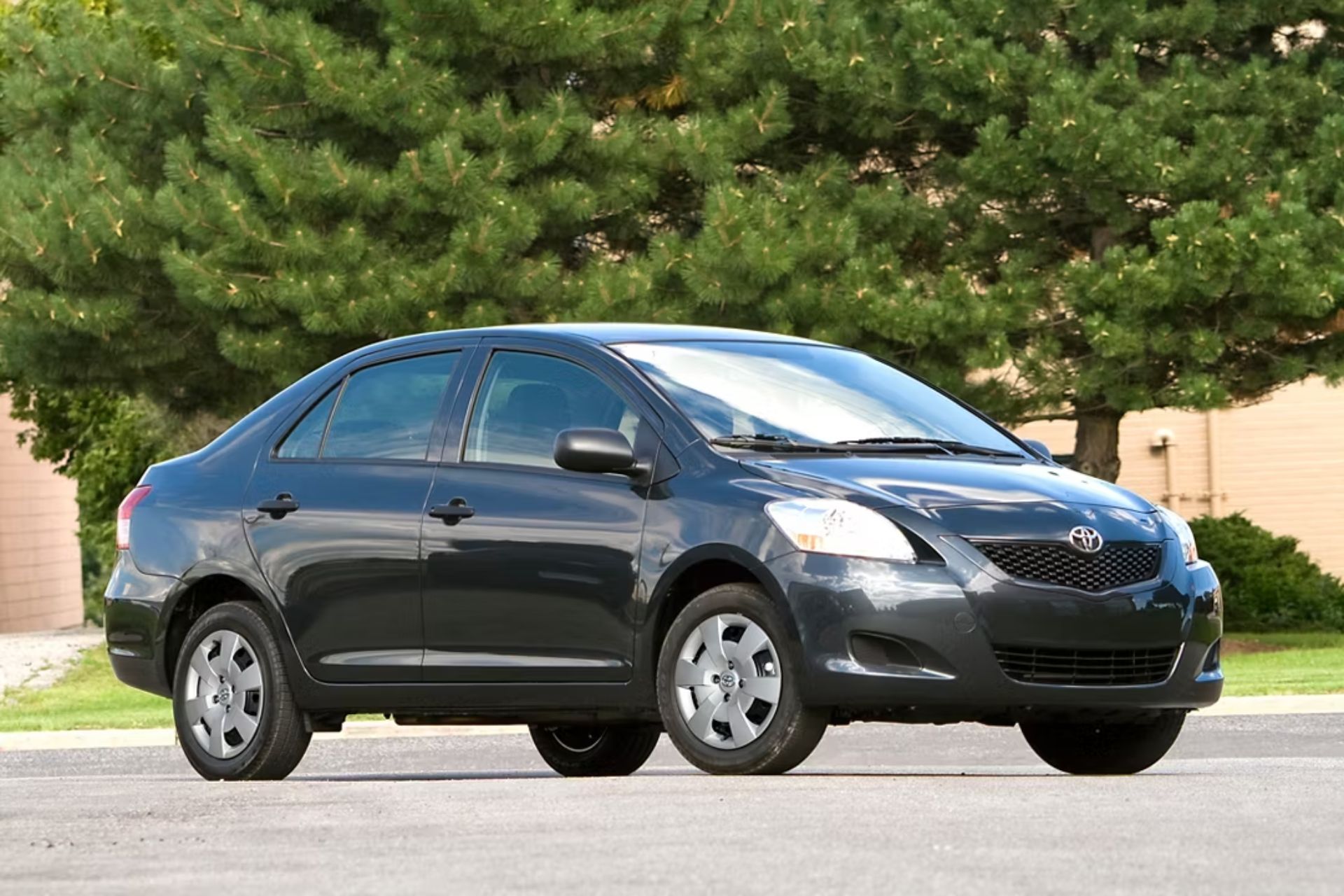
Our customer, whom we’ll refer to as Daniel, a tradesman from Chermside in Brisbane’s northern suburbs, had a 2011 sedan sitting in his driveway that had failed to start after months of intermittent electrical faults. A mechanic had already quoted him more than the car’s likely resale value just to diagnose the problem, let alone fix it. With a house move approaching and driveway space at a premium, Daniel needed the vehicle gone quickly, without sinking further money into a car he no longer wanted.
Like many Queenslanders in this position, Daniel’s first instinct was to search online for options. He assumed a dead battery, blown head gasket, or seized engine would automatically disqualify his car from any cash offer, and that private buyers would either lowball him or disappear the moment they learned the car couldn’t be driven to a test.
This is a familiar pattern for anyone researching how to sell a car that doesn’t run. The car isn’t roadworthy, the owner doesn’t want to spend money proving what’s wrong with it, and traditional resale channels like Marketplace listings or dealership trade-ins simply aren’t built for non-running vehicles.
Daniel had already tried a couple of the obvious first steps before reaching out to us. He’d posted the sedan on a local online marketplace, describing the fault honestly, and received a string of messages from buyers wanting to inspect the car in person, several of whom never showed up, and one who offered a figure so low it barely covered the cost of a tow. A local wrecking yard had also given him a phone quote, but it was contingent on him arranging and paying for transport to their yard himself, which effectively cancelled out much of the offer. Each of these dead ends added to a growing sense that the car was more trouble than it was worth, a conclusion that turned out to be entirely wrong once he understood how non-running valuations actually work.
The Solution: A No-Obligation Valuation and Free Removal Process
Rather than booking a mechanic or listing the car privately, Daniel reached out for a straightforward assessment of what his vehicle was actually worth in its current, non-running condition. This is where the process differs meaningfully from a typical private sale.
A genuine cash-for-cars valuation doesn’t require the vehicle to start, drive, or pass any roadworthy inspection. Instead, pricing is based on details the owner can supply over the phone or online: make, model, year, odometer reading, general condition, and the nature of the fault. For Daniel’s sedan, this meant describing the electrical issue candidly rather than trying to disguise it, which resulted in a fair, transparent offer within minutes.
Once Daniel accepted the offer, the next concern was logistics. A car that won’t start still has to be removed from the property somehow, and towing a non-running vehicle privately can cost several hundred dollars on its own, quickly eating into any sale price. This is typically resolved through a dedicated unwanted car removal service, where a flatbed or tilt-tray tow truck collects the vehicle directly from the owner’s driveway at no cost to the seller, with payment handed over on the spot rather than promised for later. Learn more: https://localcashforcar.com.au/unwanted-car-removal/
For Daniel, this meant no repair invoices, no advertising fees, no buyer negotiations, and no towing costs eating into his final payment. The entire arrangement, from initial valuation to vehicle collection, was completed within 48 hours.
Can You Sell a Car That Doesn’t Run in Brisbane?
This is one of the most common questions Brisbane sellers ask, and the honest answer is yes, and it’s more straightforward than most people expect. Cash-for-car buyers who specialise in unwanted vehicle removal purchase cars in any mechanical condition, including those with blown engines, failed transmissions, flood damage, or electrical faults like Daniel’s. Unlike a private buyer who needs to test drive the vehicle before committing, these buyers value the car based on its parts, metal content, and resale potential in the wrecking or export market, which means a non-running status doesn’t eliminate the sale, it simply changes how the value is calculated.
How Much Is a Non-Running Car Actually Worth?
Valuation for a non-running vehicle depends on several factors working together rather than any single figure. The make and model matter significantly, since some brands hold stronger demand for spare parts than others. Age and odometer reading influence the assessment too, as do the specific nature of the fault and whether the body panels, interior, and undamaged components remain in reasonable shape. A car with a failed engine but an intact chassis and saleable parts will typically be valued higher than one with extensive rust or structural damage. Weight and scrap metal value also factor into the final number, particularly for older vehicles. Because of this, getting an accurate figure requires an actual assessment rather than relying on generic online calculators, which explains why a direct, no-obligation valuation remains the most reliable starting point for any Brisbane seller in Daniel’s position.
Do You Need a Roadworthy Certificate to Sell an Unregistered or Non-Running Car in Queensland?
Queensland regulations generally require a roadworthy certificate, sometimes called a safety certificate, when selling a registered vehicle privately to another driver who intends to register and use it on the road. However, this requirement doesn’t apply when selling to a licensed motor dealer or a registered vehicle wrecker, which is the category most cash-for-car buyers fall under. Because these buyers are purchasing the vehicle for dismantling, parts recovery, or scrap purposes rather than road use, the roadworthy exemption applies, saving sellers like Daniel both the cost and the impossibility of obtaining a safety certificate for a car that can’t even start.
How Quickly Can You Get Paid for a Non-Running Car?
Turnaround time is one of the strongest advantages of this process compared to private sales, and it was a decisive factor for Daniel given his moving deadline. Once a valuation is accepted, most reputable Brisbane buyers can arrange vehicle collection within one to two business days, sometimes on the same day depending on location and truck availability. Payment is typically handed over at the time of collection, either as cash or direct bank transfer, rather than being delayed pending further inspection. This stands in sharp contrast to private listings, which can sit unanswered for weeks while the owner fields time-wasting enquiries or lowball offers from buyers hoping to exploit a non-running vehicle’s weaker negotiating position.
What Documents Do You Need to Sell a Car for Cash in Brisbane?
Sellers should have proof of ownership, such as the vehicle’s registration papers or certificate of title, along with a form of photo identification matching the name on the registration. If the vehicle is still registered, current Queensland regulations also require the seller to complete a transfer of registration through the Department of Transport and Main Roads, either online or in person, once the sale is finalised. Reputable buyers will guide sellers through this step rather than leaving them to work it out alone, which was particularly helpful for Daniel, who hadn’t dealt with a private vehicle sale in over a decade and appreciated having the paperwork explained plainly before the tow truck arrived.
The Results: A Faster, Cheaper, and Less Stressful Outcome
For Daniel, the outcome was measured in more than just dollars. He avoided an estimated repair and diagnostic bill that would have exceeded the car’s actual sale value, skipped the towing fee he’d budgeted for after researching private removal quotes, and freed up his driveway ahead of the move without a single advertising post or buyer negotiation. The entire transaction, from first contact to cash in hand, took less time than it would have taken to simply get the car diagnosed at a workshop.
This outcome reflects a broader pattern seen across similar cases in Brisbane and greater Queensland. Owners consistently underestimate what a non-running vehicle is worth because they assume mechanical failure erases resale value entirely. In reality, wrecking and parts-recovery buyers operate on a different value model altogether, one where a dead engine or faulty wiring loom doesn’t disqualify the vehicle, it simply shifts where the value comes from.
There’s also a practical safety and convenience dimension to this outcome that’s easy to overlook. A car sitting immobile in a driveway or on the street for an extended period isn’t just an eyesore, it can attract vandalism, become a home for pests, or draw the attention of council rangers if registration has lapsed. By resolving the sale within 48 hours rather than leaving the vehicle to linger for weeks while he fielded unreliable buyers, Daniel also avoided these secondary headaches entirely. His driveway was clear well before moving day, and the transfer of registration was completed correctly the same week, meaning no lingering liability sat against his name once the car changed hands.
What This Means for Other Brisbane Owners
Daniel’s situation isn’t unusual. Brisbane’s climate, older housing stock with limited driveway space, and a large population of tradespeople and renters who move frequently all contribute to a steady stream of owners facing the same dilemma: a car that no longer runs and no clear, low-cost path to being rid of it. The pattern that emerges from cases like this one is consistent. Owners who research repair costs first often talk themselves out of selling altogether, assuming the vehicle is worthless. Those who instead start with an honest valuation, based on the car’s true condition rather than an idealised one, consistently discover the car holds more value than expected, and that the removal process itself can be handled without cost or hassle on their end.
For anyone in Brisbane currently staring at a car that won’t start, wondering whether it’s worth the trouble of selling, the lesson from Daniel’s experience is straightforward. Skip the diagnostic bill, skip the private listing, and start instead with a clear picture of what the vehicle is genuinely worth in its current state. From there, the rest of the process, valuation, paperwork guidance, free collection, and same-day payment, tends to follow quickly and with far less friction than most owners expect going in.