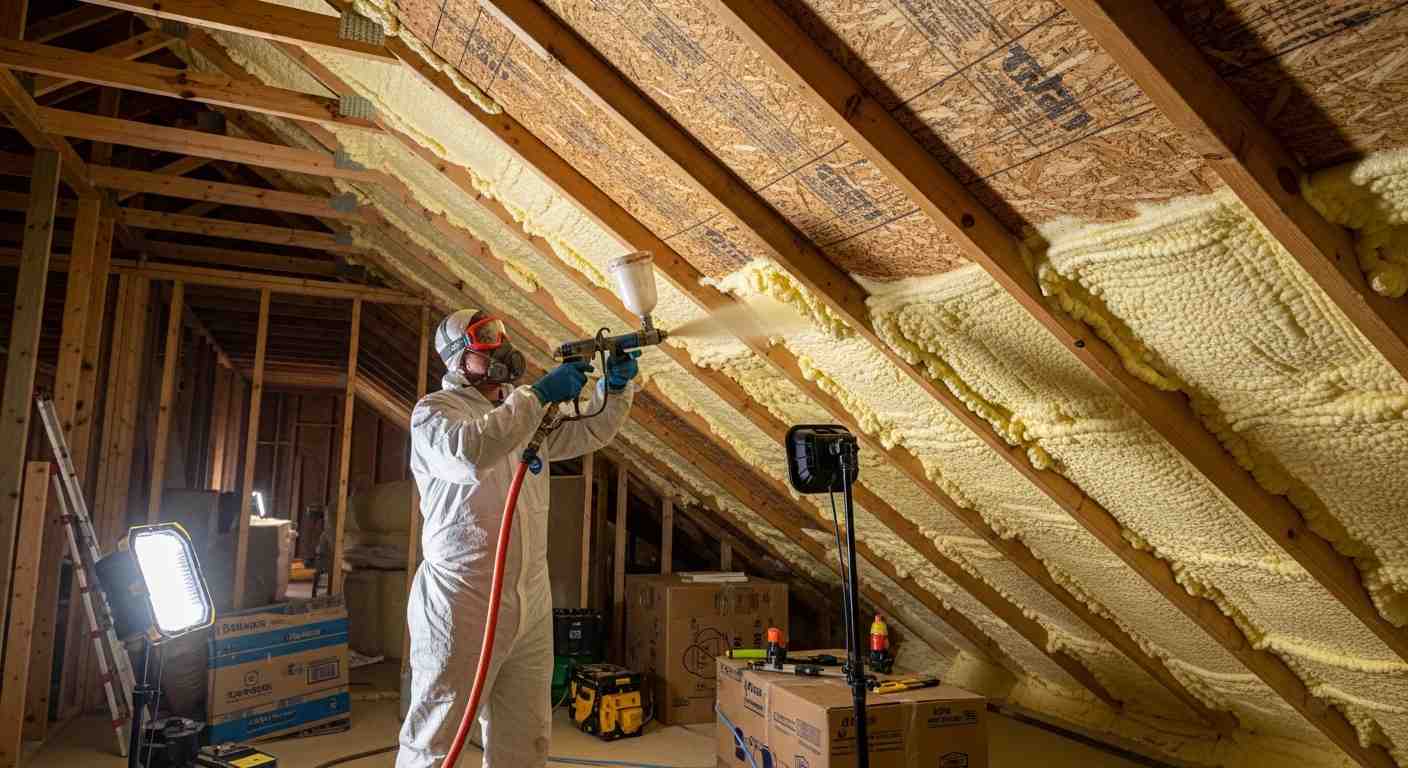
Upgrading to HFO closed cell spray foam in Troy, NC, is worth the investment if you want the highest available thermal resistance and structural reinforcement. This technology uses Hydrofluoroolefins (HFO) as a blowing agent, which significantly lowers environmental impact while providing an R-value of about 6.5 to 7 per inch. For local property owners, this means lower monthly utility bills and a stronger building envelope that withstands North Carolina’s humid summers and chilly winters.
This guide explores the technical advantages, cost considerations, and long-term performance of modern spray foam. You will learn why this specific material has become the gold standard for high-performance building in Montgomery County. Backed by years of industry observation, this analysis helps you determine if the performance gains justify the initial cost for your specific project.
Understanding the Power of HFO Technology
The shift toward HFO-based products represents a major step forward in chemical engineering for the construction industry. Unlike older blowing agents that lingered in the atmosphere for years, HFOs break down within days. This change doesn’t just help the planet; it also improves the foam’s physical properties during application.
When you choose high-density spray foam, you are getting a product that expands less aggressively than open-cell versions. This creates a dense, rock-hard barrier that is completely impermeable to water. In a climate like Troy’s, where humidity can lead to mold in traditional fiberglass batts, this moisture resistance is a massive advantage for your home’s air quality.
Bonus Tip: Always check the product’s technical data sheet. Modern HFO foams often have a Global Warming Potential (GWP) of 1, which is significantly better than the GWP of 1,000+ found in older systems.
How Does it Perform in Local Montgomery County Weather?
1. Maximum Thermal Resistance for Energy Savings
The primary reason to consider HFO Closed Cell Spray Foam is its R-value. In the world of insulation, R-value measures the ability of a material to resist heat flow. Because the cells in this foam are closed and filled with a specialized gas, they block heat much more effectively than air-filled materials.
- It stops conductive heat transfer through the walls.
- It eliminates convective loops that happen inside wall cavities.
- The material reaches a high R-value in half the space of other products.
- It maintains its performance for decades without settling or sagging.
Because Troy experiences high temperatures in July and August, your air conditioner often works overtime. By installing high-density spray foam, you reduce the workload on your HVAC system. Many property owners see energy costs reduced by 30% to 40% after a full building-envelope treatment.
2. Structural Strength and Moisture Management
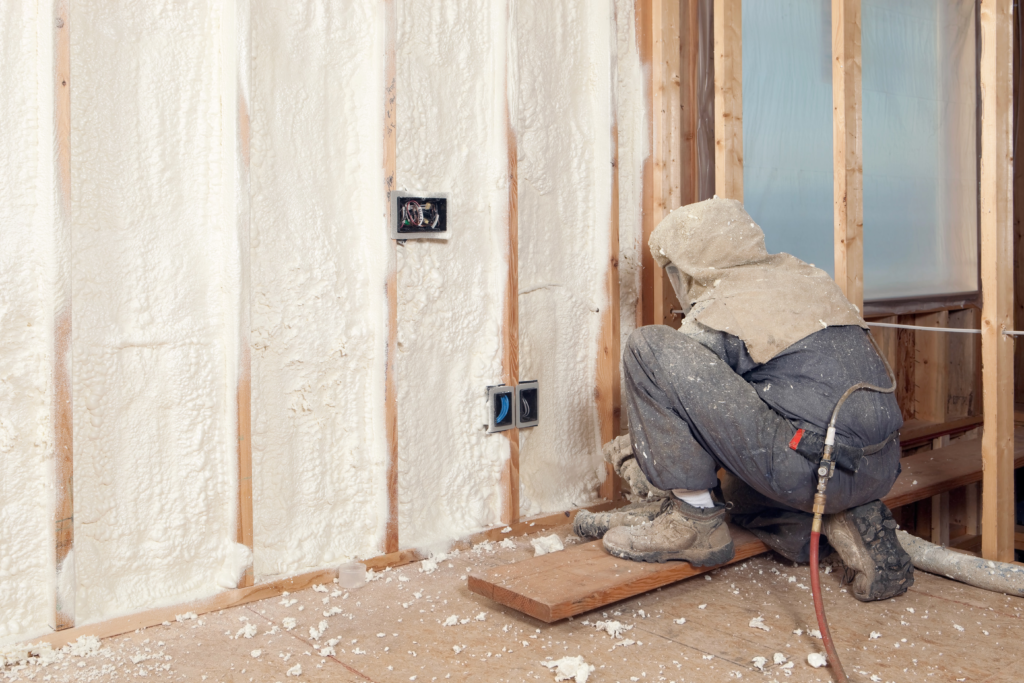
Unlike soft insulation types, closed-cell foam is rigid. When applied between studs or rafters, it acts like glue, bonding the entire structure together. Studies have shown that this type of insulation can increase a wall’s racking strength by up to 300%. This is a specialized benefit for homes in areas prone to high winds or severe storms.
| Feature | Fiberglass Batts | Open-Cell Foam | Rigid Spray Insulation |
|---|---|---|---|
| R-Value Per Inch | 2.2 – 3.5 | 3.5 – 3.8 | 6.5 – 7.0 |
| Air Barrier | No | Yes | Yes |
| Vapor Barrier | No | No | Yes (at 1.5″+) |
| Structural Support | None | Minimal | High |
| Water Resistance | Absorbant | Holds Water | Waterproof |
In North Carolina, the “vapor drive” usually moves from the hot, humid outside toward the cool, air-conditioned inside. Vapor barrier foam prevents this moisture from reaching your wooden framing. This prevents wood rot and keeps your indoor air crisp and dry.
Is the Higher Cost Justified for Troy Residents?
Evaluating the Return on Investment
You will find that the initial price for HFO Closed Cell Spray Foam is higher than traditional methods. However, the “worth” of the upgrade is found in the total cost of ownership. When you factor in the longevity of the product, you rarely have to worry about replacement or maintenance.
- Reduced HVAC equipment size requirements during new construction.
- Elimination of separate vapor barriers and house wraps in many cases.
- Increased property resale value due to energy efficiency ratings.
- Long-term protection against pests that cannot nest in dense foam.
Bonus Tip: If you are insulating a metal building or a pole barn in Troy, this foam is almost mandatory. It prevents the “sweating” or condensation that typically happens on metal surfaces during temperature swings.
Addressing Local Climate Challenges
The weather in Troy is characterized by a mix of heavy spring rains and intense summer heat. Traditional insulation often fails when it gets damp or when air leaks through gaps in the building’s rim joists and attic plates. Moisture-resistant insulation ensures that even if a small roof leak occurs, the insulation won’t turn into a soggy mess that breeds mold.
By creating a total air seal, you also keep out local pollen and dust. For families dealing with seasonal allergies, the air-sealing properties of vapor barrier foam provide a cleaner indoor environment. The foam fills every tiny crack and crevice that a human hand could never reach with a fiberglass batt.
Things to Consider Before Your Installation
Key Decision Factors for Property Owners
Before you commit to an upgrade, you need to evaluate your building’s current state. Not every project requires the most expensive material, but some situations demand it. Consider these factors:
- Access Space: This foam is perfect for narrow wall cavities where you need maximum R-value in limited depth.
- Ventilation: Because the house will be much tighter, you might need to review your mechanical ventilation to ensure adequate fresh-air exchange.
- Budget vs. Performance: Determine if you need the structural benefits or just the thermal ones.
- Installer Skill: The chemical mix must be exact. Ensure they use high-end equipment to maintain proper temperature and pressure.
Why Choosing the Right Professional Matters
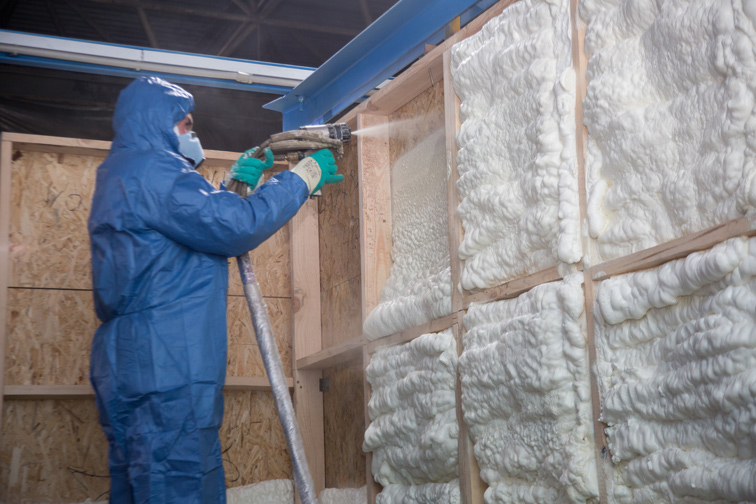
The performance of your high-density spray foam depends heavily on the person holding the spray gun. In Troy, the ground temperature and humidity can affect how the foam cures. Professional teams monitor the “delta T” (temperature difference) between the substrate and the foam to ensure the foam bonds permanently to the wood or metal.
They will also ensure that the “off-gassing” period is handled safely. With HFO technology, re-occupancy time is often much shorter than with older chemicals, but proper ventilation during the spray process remains a requirement for safety and quality.
Professional Support for Your Insulation Project in Troy
If you are ready to improve your property’s comfort and durability, seeking a professional assessment is the best next step. Spray Foam Pro LLC & Fiberglass provides expert guidance for homeowners and business owners throughout Troy and the surrounding areas. Their team understands the local climate and can help you determine if HFO Closed Cell Spray Foam is the right choice for your attic, crawl space, or new construction project. You can reach out to them at (910) 606-6247 or via email at [email protected] to discuss your needs.
Final Thoughts on the Value of HFO Closed Cell Spray Foam
Choosing to install HFO Closed Cell Spray Foam is a strategic decision that prioritizes long-term performance over short-term savings. In a location like Troy, NC, the combination of high R-value, structural reinforcement, and superior moisture management makes it a premier choice for those who want the best for their property. While the upfront cost is higher than that of traditional materials, the reduction in energy waste and protection against North Carolina’s humidity provide a clear return on investment. Evaluate your project’s specific needs and consider how a permanent, high-performance air barrier can improve your living environment.
Common Questions About Modern Foam Upgrades
How long does HFO spray foam last?
It is designed to last the lifetime of the building. Unlike cellulose or fiberglass, it does not settle, shrink, or lose its R-value over time, provided it is protected from direct UV sunlight.
Is there a strong smell after the installation?
Modern HFO-blown foams have very low odor. Once the foam has cured and the home has been ventilated for the recommended 2 to 24 hours, there is typically no detectable scent or chemical emission.
Can this foam be used in existing homes?
Yes, though it is easiest during a renovation when walls are open. For existing homes, it is most commonly used in attics, crawl spaces, and basements to create a high-performance thermal envelope.
Does it really strengthen my roof?
In many cases, yes. When applied to the underside of a roof deck, it bonds the rafters and sheathing, helping the roof resist “uplift” during high-wind events and heavy storms.
Will I need a dehumidifier if I use this foam?
Because the foam creates a very tight seal, your home will retain more internal moisture from cooking and showering. It is often recommended to use a whole-house dehumidifier or an ERV (Energy Recovery Ventilator) to manage indoor air quality.