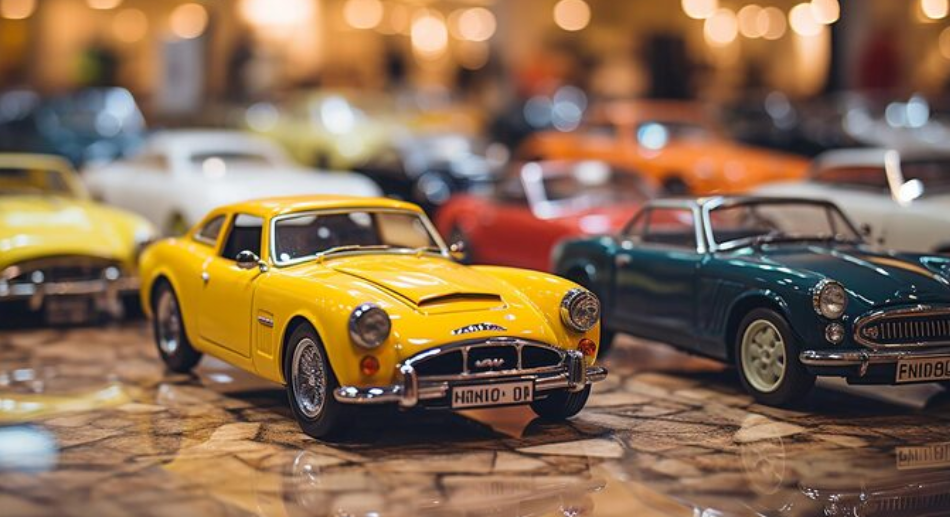
The world of collecting miniature vehicles has grown into a vibrant and highly dedicated hobby community, with Hot Wheels collectors and diecast cars enthusiasts forming one of the most active groups in the collectible market. What once began as simple children’s toys has evolved into a serious collecting culture that spans generations, countries, and a wide variety of interests. Today, these small-scale models are valued not just for play, but for craftsmanship, nostalgia, investment potential, and artistic appreciation.
Hot Wheels collectors often start their journey with a single car picked up from a store shelf or inherited from childhood. Over time, this casual interest can transform into a deep passion for tracking rare releases, limited editions, and special series. The thrill of the hunt is a defining aspect of the hobby, as collectors search for elusive models that complete sets or represent significant milestones in automotive design history. Many Hot Wheels collectors develop a keen eye for detail, learning to identify subtle variations in paint, wheels, packaging, and manufacturing years that can dramatically affect a model’s value.
Diecast cars, in general, encompass a much broader category beyond just one brand. They include miniature replicas made from metal and plastic, designed to represent real vehicles with varying degrees of accuracy and detail. The diecast cars hobby appeals to a wide audience, from casual enthusiasts who enjoy displaying their favorite models to serious collectors who focus on rare prototypes, discontinued models, and highly detailed replicas. The appeal of diecast cars lies in their ability to capture automotive history in miniature form, preserving iconic designs from different eras and manufacturers.
One of the most fascinating aspects of Hot Wheels collectors communities is the diversity of motivations behind collecting. Some individuals collect purely for nostalgia, seeking models that remind them of their childhood or significant life moments. Others are driven by the excitement of rarity and exclusivity, chasing limited production runs or convention-only releases. There are also those who view Hot Wheels collectors culture as an investment opportunity, carefully selecting models that may increase in value over time due to scarcity or demand.
Diecast cars also attract collectors who are passionate about automotive design and engineering. These miniature models often replicate real-world vehicles with impressive accuracy, including luxury sports cars, classic vintage automobiles, trucks, motorcycles, and even concept vehicles that never reached production. For many enthusiasts, diecast cars serve as a way to appreciate automotive artistry in a more accessible and space-efficient format. Instead of owning a full-sized collection of vehicles, collectors can enjoy hundreds or even thousands of models displayed in cabinets or shelves.
The community aspect of Hot Wheels collectors is another important factor that fuels the hobby’s popularity. Online forums, social media groups, and local collector meetups allow enthusiasts to share their collections, trade models, and discuss upcoming releases. This sense of community helps new collectors learn the ropes while also giving experienced collectors a platform to showcase their rare finds. Hot Wheels collectors often take pride in displaying their most valuable or unique pieces, sometimes arranging them in elaborate dioramas or themed setups.
In the broader diecast cars world, collectors often categorize their collections based on scale, brand, or theme. Common scales include 1:64, 1:43, and 1:18, each offering different levels of detail and display size. Smaller scales like 1:64 are especially popular among Hot Wheels collectors due to affordability and variety, while larger scales tend to attract enthusiasts who prioritize detail and realism. Some collectors focus exclusively on a specific manufacturer or era, while others build eclectic collections that span multiple decades and automotive styles.
The manufacturing process behind diecast cars also adds to their appeal. These models are typically created using metal casting techniques that allow for precise shaping and durability. After casting, each model undergoes painting, detailing, and assembly, often with intricate features such as opening doors, detailed interiors, and realistic wheels. Hot Wheels collectors often appreciate how these production techniques have evolved over time, leading to more detailed and high-quality models than ever before.
Another reason Hot Wheels collectors remain so engaged in the hobby is the constant release of new series and collaborations. Manufacturers frequently introduce themed sets, pop culture tie-ins, and commemorative editions that keep the hobby fresh and exciting. This continuous stream of new releases ensures that collectors always have something to look forward to, whether it is a modern supercar replica or a nostalgic reissue of a classic model.
Diecast cars also play a significant role in educational and creative activities. Many collectors use their models for photography, storytelling, and even stop-motion animation. The detailed nature of these miniatures allows for realistic scenes that can replicate real-world environments or imaginative settings. For younger enthusiasts, diecast cars can also serve as an introduction to automotive history and design principles, sparking curiosity about how vehicles are built and how they function.
The value of both Hot Wheels collectors items and diecast cars can vary widely depending on rarity, condition, and demand. Some common models remain inexpensive and easy to acquire, while others become highly sought after in secondary markets. Factors such as limited production runs, factory errors, or special editions can significantly increase a model’s desirability. As a result, experienced Hot Wheels collectors often spend time researching market trends and historical releases to make informed decisions about their collections.
Packaging also plays an important role in the diecast cars collecting world. Many collectors prefer to keep models in their original packaging, as this often preserves their value and authenticity. Mint-condition packaging can significantly enhance the appeal of a collectible, especially for Hot Wheels collectors who focus on investment-grade items. Others, however, prefer to open and display their models, prioritizing visual enjoyment over long-term resale value.
Ultimately, the appeal of Hot Wheels collectors and diecast cars lies in their ability to combine nostalgia, artistry, and community into a single hobby. Whether someone is collecting for fun, investment, or passion, the world of miniature vehicles offers endless opportunities for discovery and enjoyment. The diversity of models, the thrill of the hunt, and the satisfaction of building a meaningful collection ensure that this hobby continues to grow and evolve with each passing generation.
As interest in collectible culture continues to rise, Hot Wheels collectors and diecast cars enthusiasts remain at the heart of this expanding world, preserving automotive history in miniature form while celebrating creativity, craftsmanship, and connection among collectors worldwide.