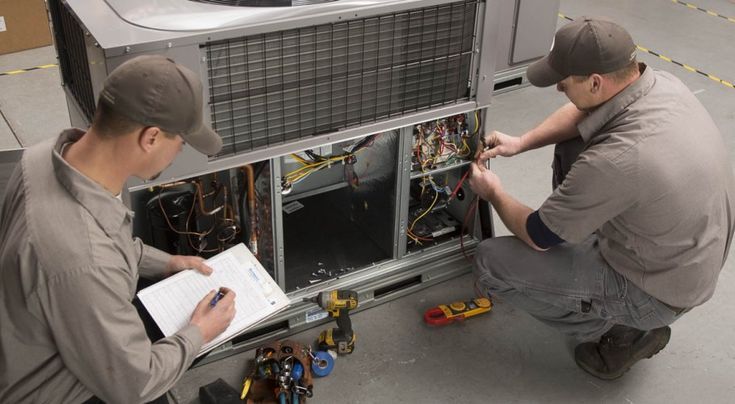
Sudden equipment failures disrupt daily business operations, leading to lost revenue and decreased worker productivity. Investing in timely Commercial HVAC Repair directly prevents these losses by resolving minor mechanical issues before they trigger complete system shutdowns. This article outlines how targeted heating and cooling service keeps your business running efficiently.
Experienced service technicians recognize that maintaining stable indoor temperatures is essential for both employee comfort and equipment safety. Industry data shows that temperature control issues cause significant workplace disruptions every year. Taking a proactive approach to your building maintenance ensures your doors stay open even during severe weather.
Why Temperature Failures Cost Your Business Money
When an office or retail space becomes too hot or cold, work speed drops rapidly. Customers will leave your store if the indoor environment feels uncomfortable, costing you immediate sales. This issue is particularly severe for businesses that rely on foot traffic or have strict temperature requirements for inventory.
Using professional commercial HVAC repair services restores the balance of your indoor climate quickly. This intervention prevents long-term productivity losses and protects temperature-sensitive inventory from spoiling. A study by building management researchers indicates that indoor temperatures above 77 degrees Fahrenheit can reduce employee productivity by up to nine percent.
- Workers lose focus when physical discomfort increases.
- Customers spend less time in retail spaces with poor climate control.
- Sensitive electronic equipment can overheat and fail in hot environments.
- High humidity leads to mold growth, creating health and safety concerns for staff.
How Quick Maintenance and Repairs Protect Your Daily Revenue
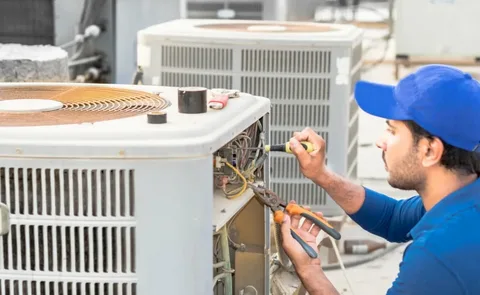
Unplanned equipment outages halt production lines, disrupt computer servers, and force staff to go home. Regular monitoring and quick fixes keep your business open and profitable. By addressing small mechanical problems early, you save your business from the steep costs of complete system replacement.
Look for professional commercial heating and cooling repair when you notice minor drafts or unusual sounds. Delaying these repairs often leads to more extensive damage inside the unit, resulting in longer service outages.
Bonus Tip: Keep a daily log of temperature fluctuations in your building to help technicians identify failing parts before they stop working completely.
- Early detection prevents minor issues from turning into major failures.
- Planned repairs can be scheduled during off-hours to avoid disrupting customers.
- Efficiently running systems consume less energy, lowering your operational costs.
- Well-maintained fans and compressors run quieter, creating a better working environment.
Planned Maintenance and Reactive Fixes Comparison
This table outlines the differences between staying ahead of mechanical issues and waiting for a complete system breakdown.
| Feature | Planned Maintenance and Repairs | Reactive Emergency Service |
|---|---|---|
| Business Downtime | Minimal to none | High and unpredictable |
| Repair Costs | Predictable and lower | Expensive urgent rates |
| Equipment Lifespan | Extended significantly | Reduced due to stress |
| Energy Efficiency | High and consistent | Gradually decreases |
What Are the Most Common Signs Your System Needs Help
Waiting for a system to break down completely is a risky business strategy. Knowing what to look for allows you to schedule repairs during non-work hours.
Spotting the indicators of mechanical stress
Look out for rising utility bills without an increase in business activity. Strange noises like squealing or grinding indicate mechanical wear that needs prompt attention.
Poor airflow or sudden temperature zones across different offices suggest duct issues or failing compressors. If you experience these signs, calling for emergency commercial HVAC repair prevents a total system freeze.
Bonus Tip: Change your air filters every thirty to sixty days in commercial spaces to prevent airflow blockages that strain the blower motor.
- Unusual odors like burning or mustiness may come from the air vents.
- The system may cycle constantly, turning on and off too frequently.
- Moisture can pool around the bases of indoor air-handling units.
- Thermostat readings might not match the actual room temperature.
Things to Check Before Scheduling a Service Call
Before you reach out to a technician, gather basic information about your setup. This helps the service provider diagnose the issue faster and arrive with the correct tools.
First, verify your thermostat settings and check your electrical circuit breakers to ensure power is reaching the unit. Check the age of your equipment and collect past maintenance records for the incoming technician.
Understanding these details makes any commercial HVAC system repair much more straightforward. It also helps you decide if a simple fix is enough or if a system upgrade is a better financial move.
When choosing a service partner, look for licensed providers who understand the specific heating and cooling demands of commercial spaces. High-quality Commercial HVAC Repair requires specialized diagnostic tools that residential technicians do not always carry.
- Confirm that the thermostat has fresh batteries and is set to the correct mode.
- Clean any blocked return vents or registers around the office.
- Check if the outdoor compressor unit is clear of leaves, dirt, and debris.
- Note down the exact model and serial number of the failing equipment.
How Regional Climate Influences Commercial System Wear
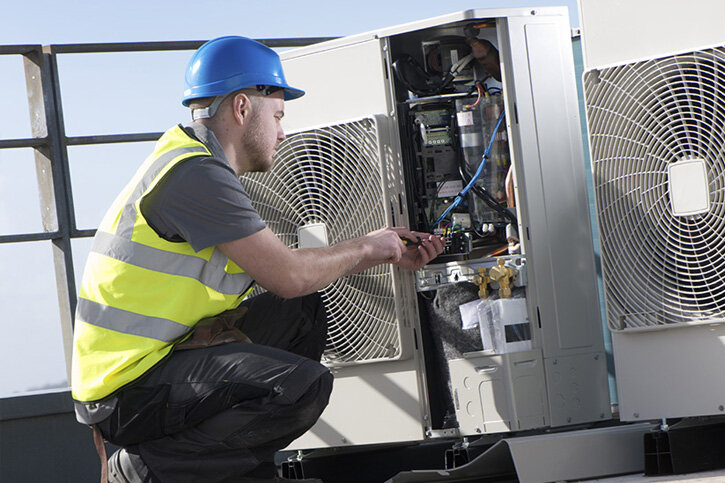
In regions with extreme summer heat or high humidity, commercial cooling systems work twice as hard to maintain comfortable indoor temperatures. Sand, dust, and coastal salt can accumulate inside your units, causing rapid wear on sensitive fan blades and electrical parts.
Businesses in dry or coastal climates require more frequent filter replacements and coil cleanings. Regular cleanings protect your system from overheating during peak summer afternoons, saving you from a costly Commercial HVAC Repair call when your business is busiest.
- High-humidity areas require frequent drain line cleanings to prevent clogs.
- Dry climates require proactive dust management to protect blower motors.
- Freezing winters demand early heat exchanger inspections to avoid heating failures.
Summary of Downtime Mitigation Strategies
Keeping your business running requires a proactive approach to building management. By scheduling a professional Commercial HVAC Repair early, you protect your revenue, keep your employees productive, and avoid the high costs of sudden outages. Evaluate your current system performance, review your maintenance schedules, and choose a reliable partner to keep your operations running smoothly all year long.
How to Get Expert Assistance for Your Building Comfort Needs
If your building is experiencing uneven temperatures or high energy bills, professional support is available to restore your system performance. You can reach out to the experienced team at Caspian Air HVAC for reliable commercial maintenance and repair services. They offer comprehensive system assessments and free quotes to keep your business operating without interruption. To schedule a technician visit or to discuss your heating and cooling needs, you can contact them directly at (760) 821-7517 or email [email protected]. You can also view their location and service area online at caspianairhvac.com to find quick help near you.
What Are the Most Frequently Asked Questions About Commercial Climate Control Maintenance
How often should commercial air filters be changed?
In busy commercial settings, you should change filters every thirty to sixty days to keep air flowing freely and prevent motor strain.
What causes uneven heating or cooling in an office?
Uneven temperatures are usually caused by blocked ductwork, failing thermostats, or an improperly balanced ventilation system.
How long does a typical commercial system last?
With regular maintenance, most commercial rooftop units last between fifteen and twenty years before needing replacement.
What should I do if my system starts making a grinding noise?
You should shut the unit down immediately to prevent further mechanical damage and contact a technician for professional repair.
Can a dirty condenser coil increase my electric bill?
Yes, dirty coils prevent proper heat transfer, forcing your system to work longer and draw more electricity to cool the building.