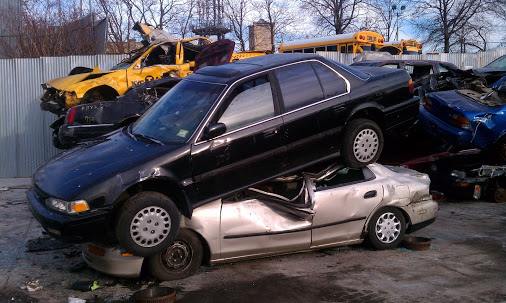
Automotive use continues to increase across cities and regional areas in Australia. With more vehicles on the road, there is also a rise in end-of-life cars that are no longer in working condition. These vehicles often contain metal parts, plastics, fluids, glass, and rubber that require proper handling. Without structured processing, they can become a major source of environmental load.
Car wreckers play a key role in managing this situation. They handle old, damaged, and unregistered vehicles and break them down into reusable materials. This process reduces waste going to landfill and supports the recovery of useful raw materials for manufacturing industries.
Growing Issue of Automotive Waste
A motor vehicle is made up of a wide range of materials. Steel forms the largest portion, followed by aluminium, copper wiring, plastics, rubber components, oils, coolant fluids, and glass. When vehicles are abandoned or dumped without proper processing, these materials remain mixed together.
Each year, millions of vehicles reach the end of their service life worldwide. Studies in the automotive recycling sector show that a large portion of a vehicle can be recovered and reused, with steel recovery alone forming a major share due to its high recyclability. Without proper dismantling systems, automotive waste contributes to soil contamination, water pollution, and space issues in landfill sites.
Role of Car Wreckers in Recycling Process
Car wreckers operate as structured dismantling units. Their role begins when a vehicle is collected after it is no longer roadworthy or economical to repair. The vehicle is then assessed for reusable parts and recyclable materials.
The process generally includes:
- Removal of fluids such as engine oil, brake fluid, and coolant
- Extraction of usable components such as engines, transmissions, alternators, and body panels
- Separation of metals based on type
- Sorting of plastics and glass for processing
- Crushing of the remaining shell for metal recovery
This system reduces the amount of raw material extraction required from natural sources. For example, recycled steel reduces the need for iron ore mining, which has high environmental disturbance.
Step-by-Step Vehicle Dismantling Process
The dismantling process follows a structured sequence to manage safety and material recovery:
1. Vehicle intake and inspection
Each vehicle is recorded and checked for condition. Identification of hazardous components is carried out at this stage.
2. Fluid removal
All liquids are drained. These include petrol or diesel residue, engine oil, transmission oil, brake fluid, and coolant. These substances require controlled handling to avoid contamination.
3. Component removal
Parts that can still function are removed. These may include engines, gearboxes, radiators, starters, and electronic modules.
4. Material separation
Metals are separated into ferrous (steel-based) and non-ferrous categories such as aluminium and copper.
5. Shredding and compacting
The remaining vehicle shell is crushed and processed for final metal recovery.
Each stage is designed to reduce waste and increase material recovery rates.
Materials Recovered from End-of-Life Vehicles
Vehicles contain a wide range of materials that can be reused in different industries.
Steel and iron
Steel is the most recovered material in automotive recycling. It is widely reused in construction, manufacturing, and infrastructure development. Recycling steel reduces the need for raw ore processing.
Aluminium
Aluminium is commonly found in engine blocks, wheels, and body panels. Recycling aluminium requires significantly less energy compared to producing it from raw bauxite ore.
Copper
Copper wiring is present in electrical systems. It is recovered and reused in electrical and electronic manufacturing.
Plastics
Modern vehicles contain a growing amount of plastic components such as bumpers, dashboards, and interior panels. Some plastics are processed into new industrial materials.
Glass
Windshields and windows are processed into cullet, which can be used in glass manufacturing.
Rubber
Tyres are processed for reuse in road surfacing, industrial flooring, and other applications.
For car collection services on the Gold Coast, more details can be found here: https://adrians.com.au/car-collection-gold-coast/
Environmental Impact Reduction
Automotive recycling contributes to reduced environmental load in several ways.
Recycling metals reduces energy consumption compared to producing metals from raw ore. For example, recycled steel requires significantly less energy than producing steel from iron ore. Aluminium recycling also reduces energy use by a large margin compared to primary production.
Proper fluid removal prevents soil and water contamination. Engine oil and coolant, if left untreated, can damage ecosystems and water systems.
Landfill reduction is another major outcome. A single vehicle contains a mix of materials that would occupy significant landfill space if not dismantled and processed.
Economic Role of Automotive Recycling Industry
The automotive recycling sector contributes to material supply chains. Recovered metals return to manufacturing industries, reducing dependence on imported raw materials. This supports industrial production cycles and material circulation within the economy.
The reuse of parts also supports secondary markets for vehicle components. Engines, transmissions, and other assemblies can be reused in repairs, reducing the need for new production in some cases.
Challenges in Automotive Recycling
Despite structured systems, automotive recycling faces several challenges.
One challenge is the increasing use of composite materials in modern vehicles. These materials are harder to separate and process compared to traditional metals.
Another issue is the handling of electronic components. Modern vehicles contain complex electronic systems that require careful dismantling.
Contamination of materials during improper disposal also reduces recovery quality. Mixed waste makes separation more time-consuming and less effective.
Car Wreckers and Responsible Vehicle Disposal Practices
Car wreckers help reduce the impact of abandoned vehicles by ensuring that materials are processed in controlled environments. Vehicles that are no longer suitable for road use are directed into dismantling systems rather than being left in open areas or illegal dumping sites.
This structured approach helps manage waste flow from vehicles and supports material reuse cycles.
Service Application in Gold Coast Context
In the Gold Coast region, end-of-life vehicles are commonly collected and processed through organised dismantling operations. One such service is provided under the name car wrecker gold coast, operated by ADRIAN’S Metal Recyclers. This service handles vehicles that are no longer suitable for road use, including damaged cars, unwanted vehicles, and aged models that have reached the end of their operational life.
The process involves collection, dismantling, and material separation, which supports recycling of metals and reuse of functional components. This type of operation helps reduce the number of abandoned vehicles in residential and industrial areas while supporting material recovery systems within the automotive recycling chain.
Conclusion
Car wreckers form an important part of the automotive recycling system. They manage end-of-life vehicles through structured dismantling processes that separate metals, plastics, glass, rubber, and fluids. This reduces environmental load, supports material reuse, and limits landfill accumulation.
As vehicle numbers continue to grow, structured recycling of automotive waste remains an important part of resource management and environmental protection in Australia.