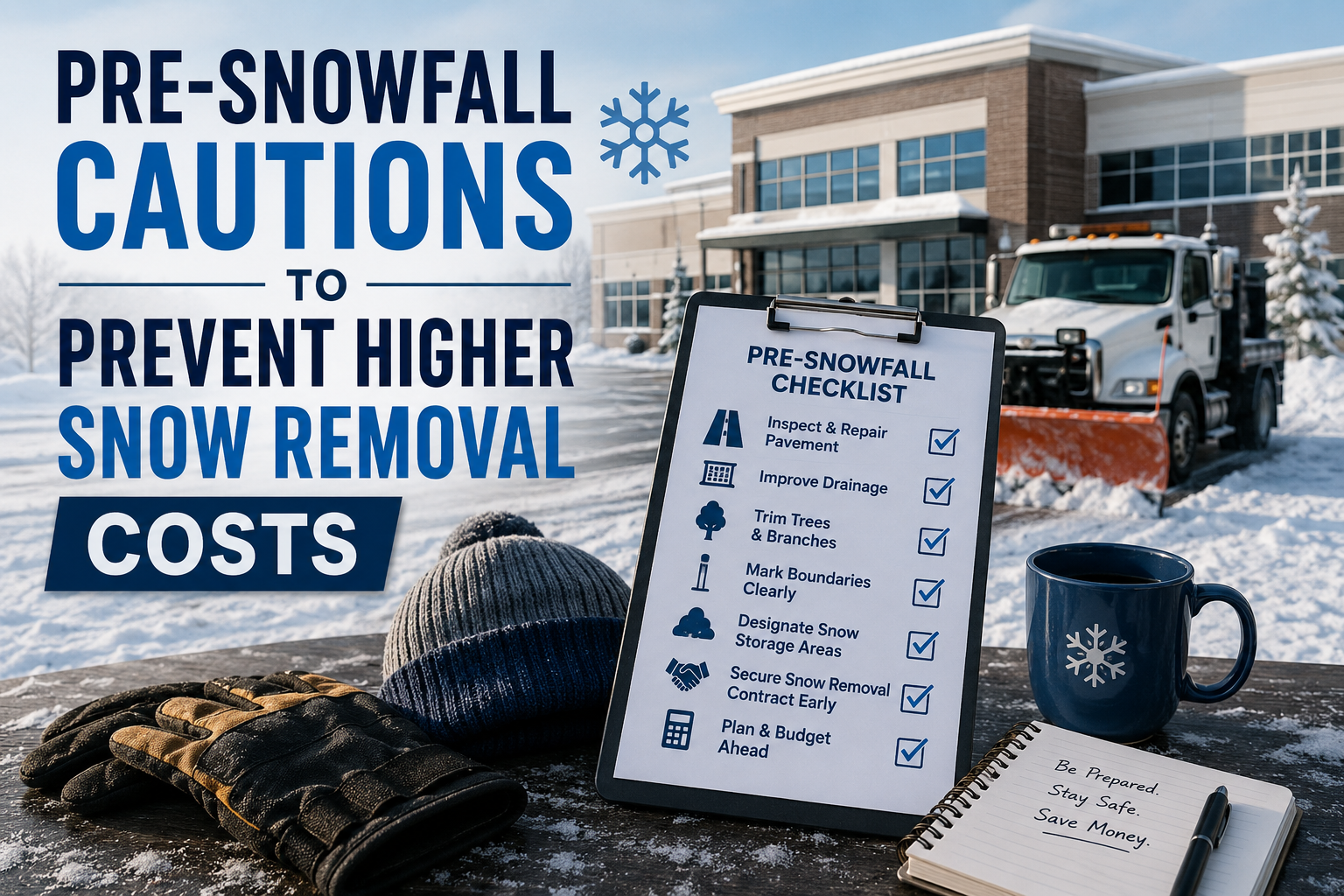
Winter weather can be unpredictable, but the financial impact of snow and ice is often predictable. Many property owners wait until the first snowfall arrives before thinking about snow management. Unfortunately, that approach often leads to higher snow removal costs, property damage, and safety concerns. Taking preventative measures before winter begins can significantly reduce expenses while ensuring your property remains safe and accessible throughout the season.
Whether you manage a commercial property, residential community, retail center, or office building, planning ahead is essential. Modern tools such as SnowEsto, a snow removal pricing calculator developed by Tool Chunks, can also help property owners estimate potential snow management expenses before winter arrives.
This guide explains the most important pre-snowfall precautions that can help reduce snow removal costs and avoid unnecessary winter-related expenses.
Why Snow Removal Costs Increase Unexpectedly
Many property owners assume that snow removal pricing is based solely on snowfall depth. While snowfall accumulation is a major factor, several other conditions influence costs, including:
- Property accessibility
- Surface conditions
- Ice formation
- Emergency service requests
- Equipment requirements
- Labor availability
- Storm severity
When snow management companies encounter obstacles or difficult site conditions, additional time and equipment are often required. These factors can increase service charges significantly.
Preparing your property before winter reduces these risks and allows snow removal crews to work more efficiently.
Inspect and Repair Pavement Before Winter
One of the most overlooked winter preparation tasks is inspecting paved surfaces.
Cracks, potholes, uneven pavement, and damaged curbs can create serious problems during snow removal operations. Snowplows and snow blowers can become damaged when they encounter hidden pavement defects beneath snow cover.
Before snowfall begins:
- Repair potholes and cracks
- Level uneven surfaces
- Fix damaged curbs
- Address drainage issues
- Replace broken concrete sections
Well-maintained pavement allows snow removal equipment to operate smoothly and reduces the likelihood of expensive repairs during the winter season.
Mark Property Boundaries Clearly
Snow accumulation can quickly hide important property features.
Without visible markers, snow removal crews may accidentally damage:
- Landscaping
- Decorative rocks
- Curbs
- Fire hydrants
- Utility boxes
- Parking barriers
- Walkway edges
Installing reflective snow stakes before winter helps operators identify boundaries even during severe weather conditions.
This simple investment can prevent costly repairs and reduce snow removal delays.
Trim Trees and Overhanging Branches
Heavy snowfall combined with strong winds can place significant stress on trees and branches.
Overhanging limbs can:
- Block access routes
- Damage parked vehicles
- Obstruct snow removal equipment
- Fall onto walkways
- Interfere with visibility
Scheduling tree maintenance before winter minimizes these risks and helps snow removal crews perform their work safely and efficiently.
Property owners who neglect tree maintenance often face emergency cleanup costs that exceed routine trimming expenses.
Improve Drainage Systems
Poor drainage is one of the leading causes of winter ice formation.
When water accumulates on paved surfaces and temperatures drop, dangerous ice patches develop. These icy areas require additional treatment using:
- Salt
- Sand
- De-icing chemicals
- Specialized equipment
Before winter arrives:
- Clean gutters
- Clear storm drains
- Remove debris from drainage channels
- Repair damaged downspouts
- Ensure proper water flow away from walkways
Reducing standing water helps minimize ice buildup and lowers overall snow management expenses.
Establish Designated Snow Storage Areas
Many properties experience unnecessary snow removal costs because there is no planned location for snow storage.
When snow piles are placed incorrectly, they can:
- Block visibility
- Restrict parking spaces
- Obstruct emergency access
- Create drainage issues
- Increase relocation costs
Designating snow storage areas before winter helps contractors work more efficiently.
A clear snow placement strategy reduces equipment movement and minimizes labor hours during each snowfall event.
Protect Landscaping Features
Landscaping can suffer extensive damage during snow removal operations if it is not properly protected.
Commonly damaged features include:
- Shrubs
- Flower beds
- Decorative borders
- Irrigation systems
- Small trees
Installing protective barriers and clearly marking landscape zones helps prevent accidental damage.
This precaution can save significant repair and replacement costs when spring arrives.
Secure Snow Removal Contracts Early
One of the most effective ways to control winter expenses is securing a snow removal contract before peak season.
Waiting until snowfall begins often results in:
- Higher rates
- Limited contractor availability
- Emergency service fees
- Reduced service options
Early contracts typically provide:
- Better pricing
- Guaranteed service availability
- Predictable budgeting
- Priority scheduling
Property owners who plan ahead generally pay less than those seeking last-minute services during active snowstorms.
Prepare Parking Lots for Winter Operations
Parking lots require special attention before snowfall.
A poorly prepared parking area can increase snow removal complexity and costs.
Recommended preparations include:
Repainting Parking Lines
Visible markings help operators identify parking layouts and maintain proper snow clearing patterns.
Removing Obstacles
Temporary barriers, signage, and unused equipment should be removed from snow removal zones.
Repairing Surface Damage
Smooth parking surfaces reduce equipment wear and improve operational efficiency.
These actions help contractors complete snow clearing more quickly and accurately.
Develop a Snow Response Plan
A written snow response plan helps eliminate confusion during winter storms.
Your plan should include:
- Contractor contact information
- Service trigger depths
- Priority clearing areas
- Emergency procedures
- Ice management strategies
- Communication protocols
Without a clear plan, delays and misunderstandings often lead to increased service costs.
A proactive approach ensures faster response times and better budget control.
Monitor Weather Forecasts Consistently
Waiting until a storm arrives limits preparation options.
Regular weather monitoring allows property managers to:
- Schedule pre-treatment services
- Alert maintenance staff
- Move vehicles if necessary
- Prepare snow storage areas
- Coordinate contractor schedules
Pre-treatment applications often reduce snow accumulation and ice bonding, making removal easier and less expensive.
Invest in Preventive De-Icing
Preventive de-icing is often more cost-effective than post-storm ice removal.
Applying anti-icing materials before snowfall can:
- Prevent ice adhesion
- Improve surface safety
- Reduce salt usage
- Speed up snow clearing operations
Many property owners focus solely on snow accumulation while overlooking the substantial costs associated with ice management.
Preventive treatment can significantly lower winter maintenance expenses.
Keep Access Routes Clear
Snow removal efficiency depends heavily on site accessibility.
Before winter:
- Remove unnecessary equipment
- Relocate storage containers
- Organize loading areas
- Maintain clear entrances
Obstructed work areas require additional maneuvering, increasing labor hours and equipment operating costs.
Clear access routes allow snow crews to complete services faster and more efficiently.
Budget Using Snow Cost Estimation Tools
Many property owners underestimate winter maintenance expenses because they lack accurate cost projections.
Estimating costs before winter helps with:
- Budget planning
- Contractor comparisons
- Resource allocation
- Risk management
This is where SnowEsto becomes particularly useful.
Developed by Tool Chunks, SnowEsto helps users estimate commercial snow removal pricing based on property-specific factors. By understanding potential costs before the season begins, property managers can make informed decisions regarding contracts, service levels, and snow management strategies.
Accurate budgeting reduces financial surprises and helps maintain operational stability throughout the winter season.
Train Staff on Winter Safety Procedures
Employee preparedness can influence snow management costs.
Staff should understand:
- Slip-and-fall prevention
- Ice reporting procedures
- Emergency response protocols
- Snow accumulation monitoring
- Hazard identification
Well-trained personnel help identify issues early, preventing minor problems from becoming expensive liabilities.
This is particularly important for commercial properties where winter accidents can result in substantial legal and insurance expenses.
Conclusion
Preventing higher snow removal costs begins long before the first snowflake falls. Property owners who take proactive steps can reduce operational expenses, minimize property damage, improve safety, and maintain uninterrupted access throughout winter.
Simple precautions such as repairing pavement, improving drainage, marking boundaries, trimming trees, securing contracts early, and planning snow storage locations can make a significant difference in overall winter maintenance costs.
Additionally, leveraging modern planning tools like SnowEsto from Tool Chunks can provide valuable cost estimates that support smarter budgeting and decision-making before winter arrives.
A well-prepared property not only experiences smoother snow removal operations but also avoids many of the unexpected expenses that commonly arise during severe winter weather. By investing time in pre-snowfall preparation, property owners can protect both their properties and their budgets throughout the snow season.